MAIN ARTICLE
Influence that exceeded the job title
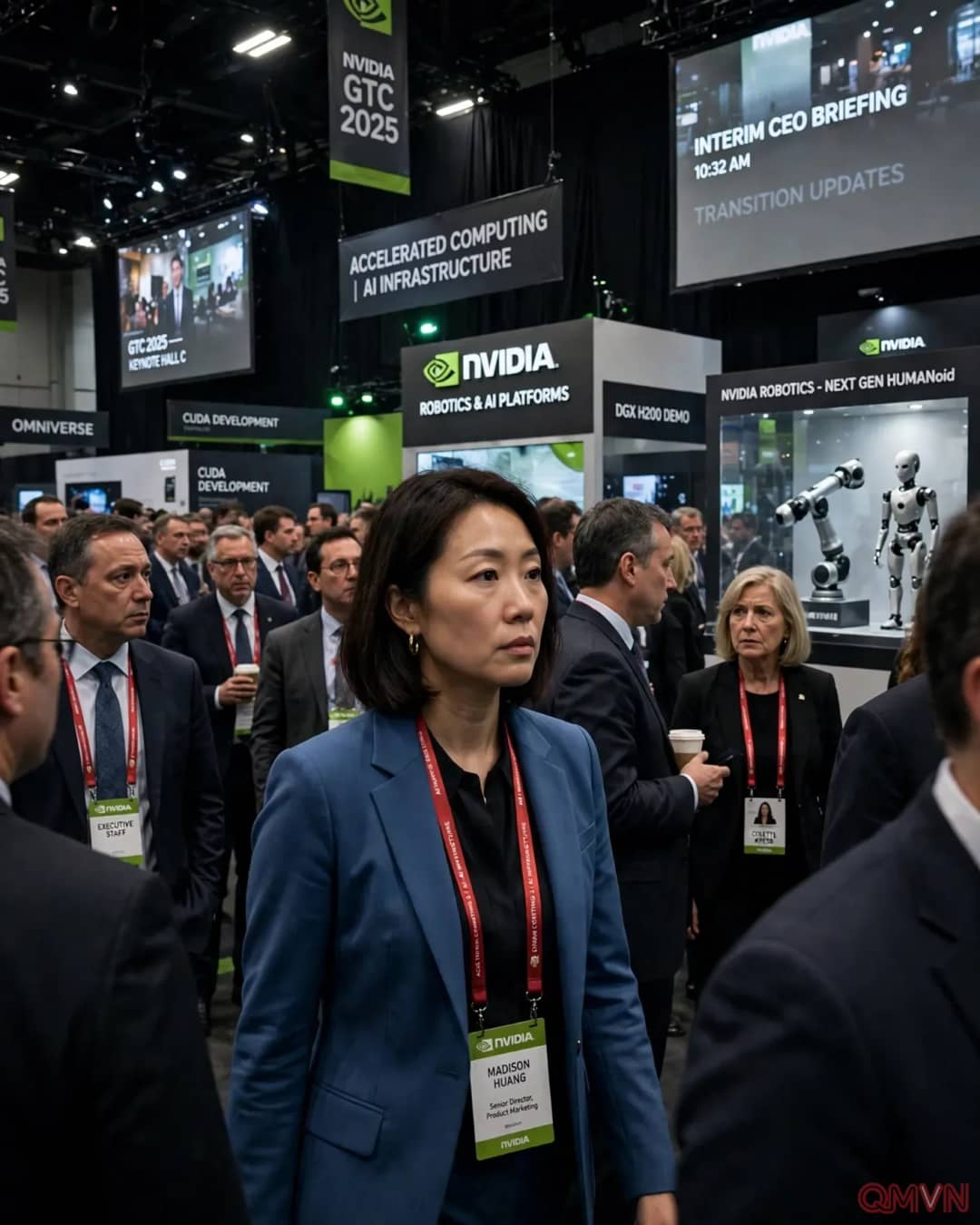
Madison Huang joined Nvidia in 2020 after an unconventional route through culinary training, luxury hospitality and business school. Her official responsibility is senior product marketing for physical AI, an increasingly important area linking software, robotics and the physical world. Yet the New York Times reported that the influence she accumulated inside the chipmaker stretched well beyond that description.
More than a dozen current and former employees told the newspaper that she took part in senior executive discussions, interacted with the board and effectively served as her father’s unofficial chief of staff. These accounts reveal a classic governance vulnerability: informal authority may become more consequential than written reporting lines, leaving employees uncertain about whose instructions carry institutional weight and who can be held accountable.
Relatives working in the company their family helped build are not inherently a problem. The more important questions concern recruitment, performance standards, access to decision makers and whether employees believe an individual’s influence derives from merit or privileged family relationships.
Workplace pressure and competing accounts
One episode described by the Times involved preparations for a New Delhi conference. Madison Huang reportedly confronted colleagues, including veteran executive Jay Puri, over arrangements for an appearance that Jensen Huang ultimately did not make.
Other sources described tense exchanges with marketing and engineering leaders. These are accounts from people familiar with the meetings, not independently adjudicated findings.
The report said Nvidia’s human resources staff had arranged recurring coaching sessions focused on her management style. It also stated that Madison Huang, other family members and Puri did not respond to requests for comment. Their silence should not be construed as agreement with the allegations or evidence of wrongdoing.
A company can value a demanding executive while still enforcing standards for respectful behavior. Employees must be able to challenge decisions, raise concerns and disagree with powerful colleagues without fearing retaliation. In a technology business, that capacity matters because sound engineering and investment choices depend on candid debate.
A difficult handover for Colette Kress
Nvidia formally appointed longtime chief financial officer Colette Kress as interim CEO after Jensen Huang resigned. The company also installed Harvey C. Jones as board chair and announced a search for a permanent leader that includes internal and external candidates. Those confirmed steps should be distinguished from speculation about the future responsibilities of individual Huang family members.
Kress must do more than maintain sales and product development. She must clarify reporting relationships, investment approval processes and the boundaries between corporate communications and personal reputation management. The Times reported that Kress and Madison Huang had clashed over particular investment ideas, but that account, too, rests on people familiar with internal discussions.
A credible transition does not require an automatic ban on relatives of the founder. It does require transparent performance criteria, explicit limits on informal intervention, workable conflict-of-interest policies and independent channels for reviewing complaints. The same tests should apply to every executive.
An institution larger than its founder
Madison is not Jensen Huang’s only relative employed by Nvidia. His son Spencer works in robotics, and his son-in-law Nico Caprez has held an AI infrastructure business role. Reuters has described their positions within the company. Family connections alone, however, are not evidence that any of them lack qualifications or received improper advantages.
The debate has intensified as some technology leaders and investors have pushed for Jensen Huang’s return. Reuters reported that Nvidia’s board was not considering reinstatement at the time. Separately, reporting on Huang’s relationships and concerns that a business contact could be linked to Chinese intelligence has heightened scrutiny. Such intelligence allegations must remain precisely attributed; they are not court findings about the people named.
For shareholders, workers and customers, the central question is whether Nvidia can preserve its ability to invent and execute after the departure of its defining executive. A company supporting global AI infrastructure needs entrepreneurial speed, but also governance robust enough to survive leadership changes.