MAIN CONTENT
Weaker profits put costs under scrutiny
Germany’s longstanding automotive model relied on high-value vehicles and earnings from international markets to absorb domestic labor, energy and operating costs. Competition from China, United States tariffs and subdued demand have made that balance harder to sustain.
According to Reuters, automotive margins for Mercedes-Benz and BMW in the first nine months fell to 1.9% and 3.5%, respectively, compared with 14.9% and 8.7% four years earlier. The Kiel Institute for the World Economy estimates German automotive labor costs at about €65 per hour. This measures an employer cost burden rather than a worker’s take-home hourly wage.
Volkswagen and IG Metall prepare for negotiations
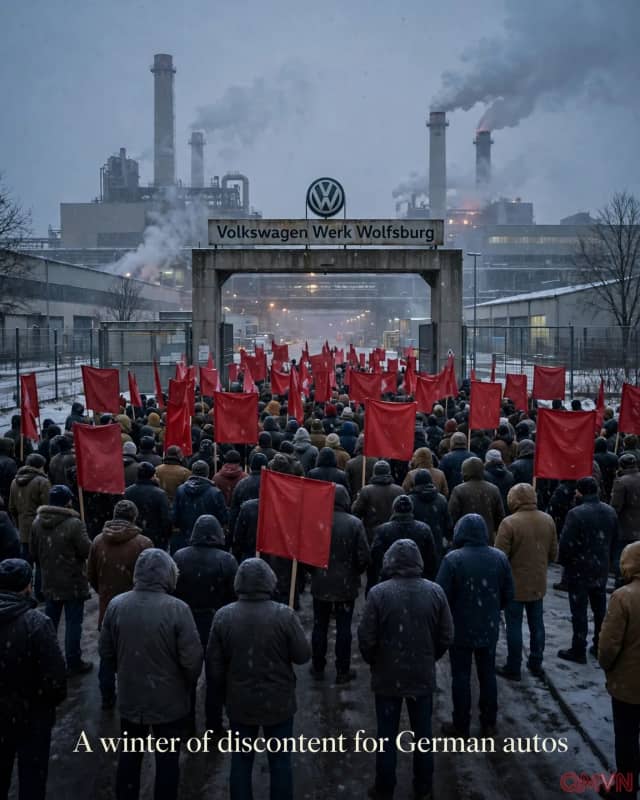
Volkswagen and IG Metall confirmed that a new bargaining round would start in Emden on November 24. The automaker is seeking substantial reductions in labor costs, including proposed wage freezes for 2027 and 2028, changes to additional payments and more flexible working hours.