MAIN CONTENT
A price freeze built around the wholesale market
The Ministry of Trade, Industry and Resources confirmed on November 13 that its latest ceilings would take effect at midnight on November 14 and run for four weeks. For ordinary products, refiners may supply gasoline at no more than 1,784 won per liter, diesel at 1,773 won and kerosene at 1,380 won. A separate notice sets slightly higher ceilings for certain island areas where maritime transport is indispensable. These details matter because the rule governs supply transactions rather than directly fixing what consumers see on station signs.
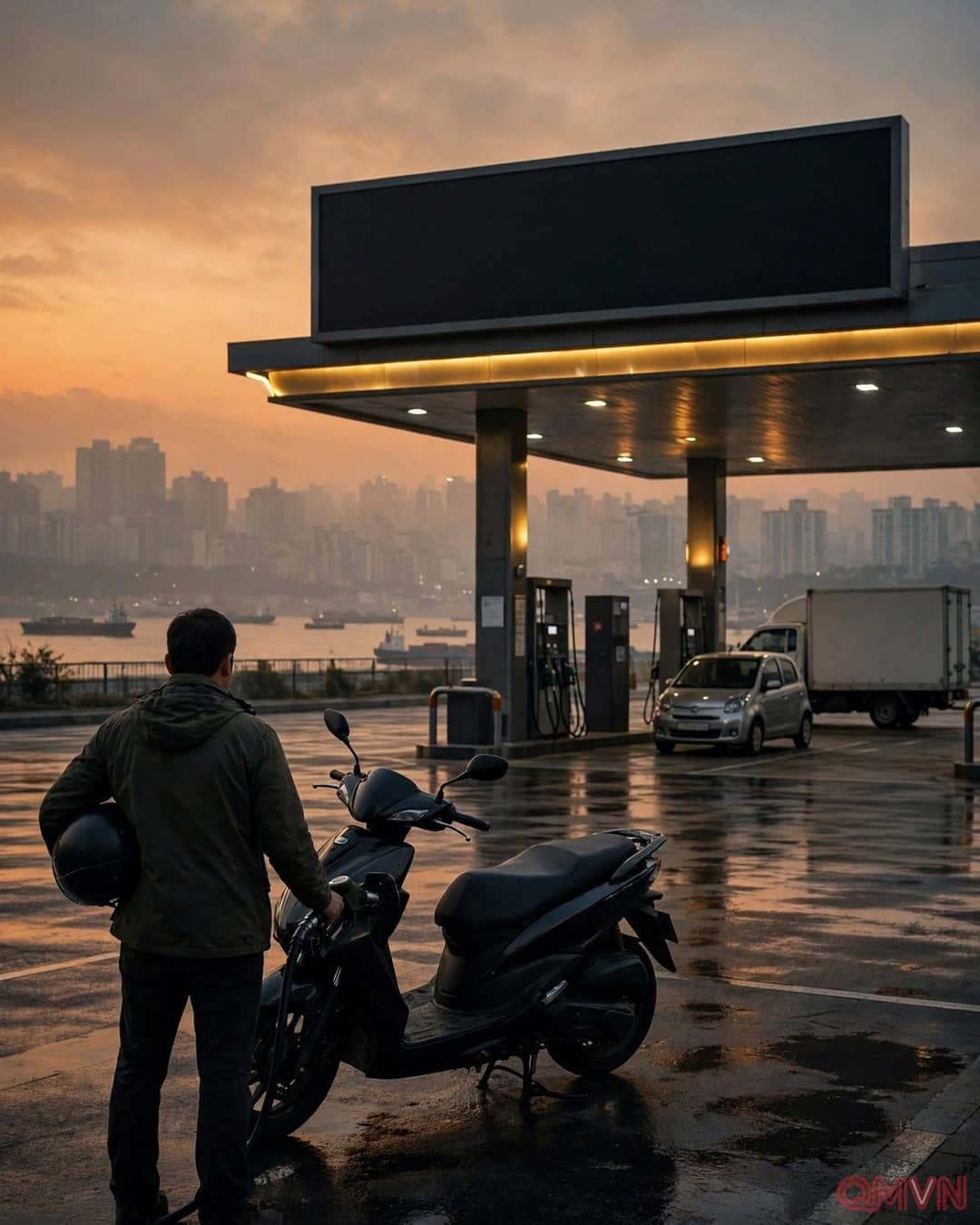
Average retail prices illustrate the distinction. Korea National Oil Corporation figures reported on November 14 put nationwide gasoline at about 1,855.1 won per liter and diesel at 1,841.8 won in the second week of November, with Seoul’s gasoline average around 1,900.2 won. The difference does not by itself establish unfair pricing: taxes, distribution expenses and individual retailer costs stand between the wholesale cap and the pump. For households, the benefit of the policy is best judged against how retail prices evolve, not against a mistaken expectation that every station must display the ceiling.