MAIN CONTENT
A regional aircraft market with few substitutes
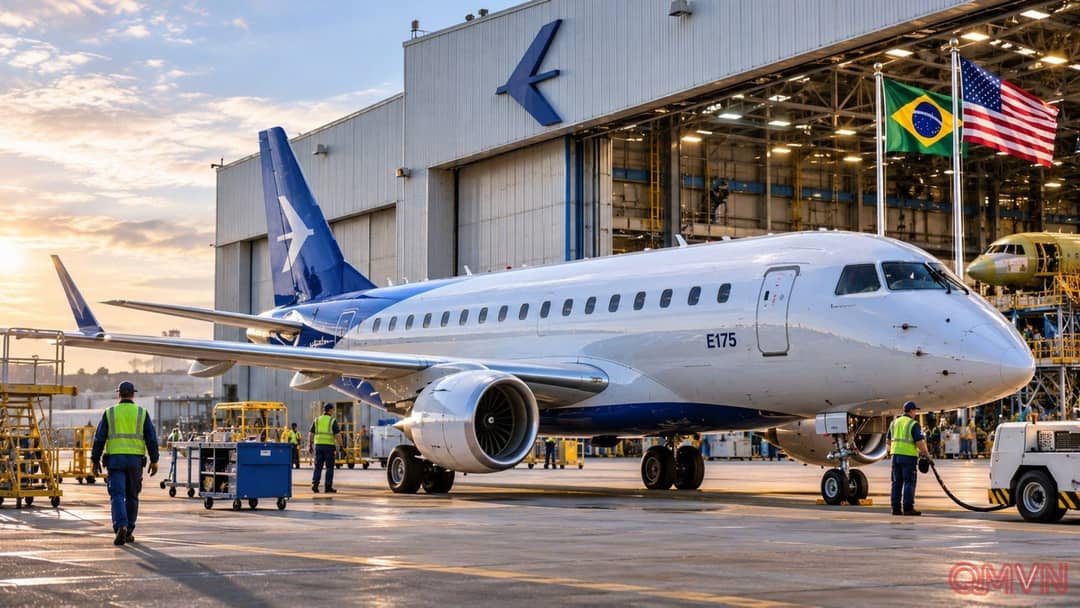
The E175 occupies a distinctive place in American aviation. Regional operators use aircraft of this size to connect smaller cities with larger hubs, allowing passengers to reach destinations that would not necessarily sustain a large jet. Changing aircraft types is not merely a purchasing decision: it can require new training, maintenance systems, spare parts and adjustments to schedules. A tariff therefore cannot instantly create a competitive domestic alternative.
Embraer's annual report filed with the US Securities and Exchange Commission also identifies pilot-contract restrictions, known as scope clauses, as a constraint on regional aircraft demand. At the end of 2025, Republic, SkyWest and American accounted for 93.7% of its outstanding firm E175 orders. That concentration illustrates the mutual dependence between a Brazilian manufacturer and American transport networks.
The cost does not stop at the border
A tariff is paid on an imported product under the applicable customs rules. Its ultimate economic burden, however, depends on contractual terms and negotiations between manufacturers, airlines and other participants.