MAIN ARTICLE
When the celebrations ended, the pollution remained
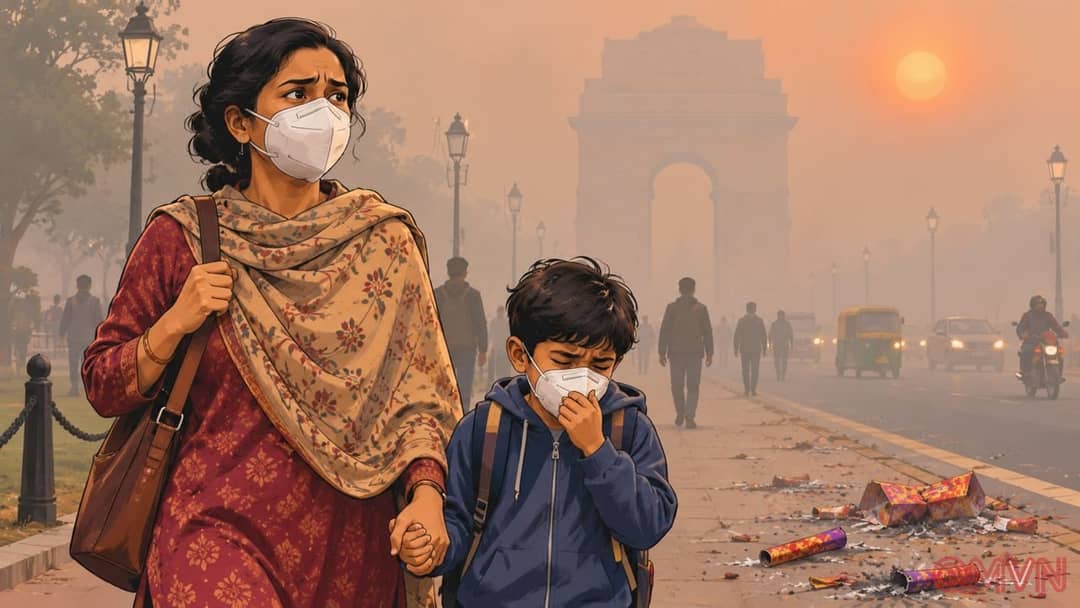
Families across Delhi marked Diwali with lamps, gatherings and fireworks on November 8. By the next morning, familiar landmarks had disappeared behind a dense haze. Reuters and The Indian Express reported a citywide AQI near 370 on November 9, with eight monitoring stations exceeding 400. These are readings on India’s national index, not measurements of fine particles in micrograms per cubic metre; the distinction matters when different reports cite seemingly incompatible figures.
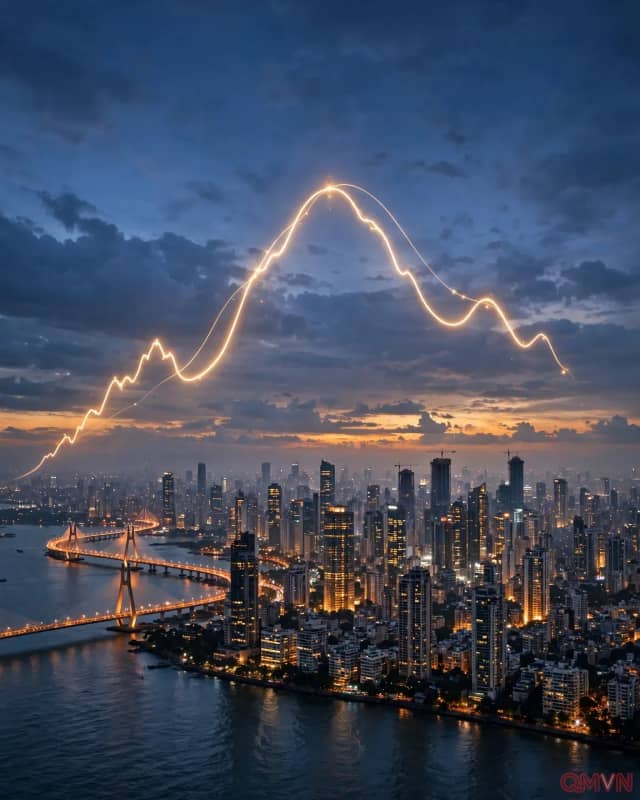
An analysis of monitoring data by The Indian Express showed citywide hourly PM2.5 concentrations rising sharply after dark, reaching approximately 493 micrograms per cubic metre by 11 p.m. and more than 584 by 1 a.m. The most extreme readings at particular sites or moments should not be mistaken for an all-city average. India's official AQI scale tops out at 500, while some private platforms apply different formulas and display much larger numbers.
Stronger winds temporarily eased conditions: according to The New Indian Express, the average AQI dropped to about 299 on November 10, though many stations remained in the “very poor” category. Hindustan Times subsequently described renewed accumulation as ventilation weakened. Delhi's crisis changes from hour to hour, place to place and with the weather. A single improving daily average is therefore not evidence that exposure has become harmless.