MAIN ARTICLE
More conversations do not yet mean a deal
The latest signal from Ottawa was deliberately restrained. A Canadian government official told Reuters on October 28 that the talks had made limited progress. Two days earlier, Reuters reported that negotiators were examining an agreement to ease duties on steel and vehicles. Both accounts can be true. A negotiation may become more active without closing its most difficult gaps, particularly when questions of tariff coverage and reciprocal concessions remain unsettled.
Carney has emphasized that Canada has not abandoned its fundamental negotiating position. His argument is that any movement reflects Washington coming nearer to Ottawa’s terms. U.S. negotiators, according to sources familiar with the discussions, are still seeking additional Canadian concessions. Industry participants have suggested that a quick agreement, if one materializes, could address only selected sectors rather than rewrite the whole bilateral commercial relationship.
Why steel and automobiles carry unusual weight
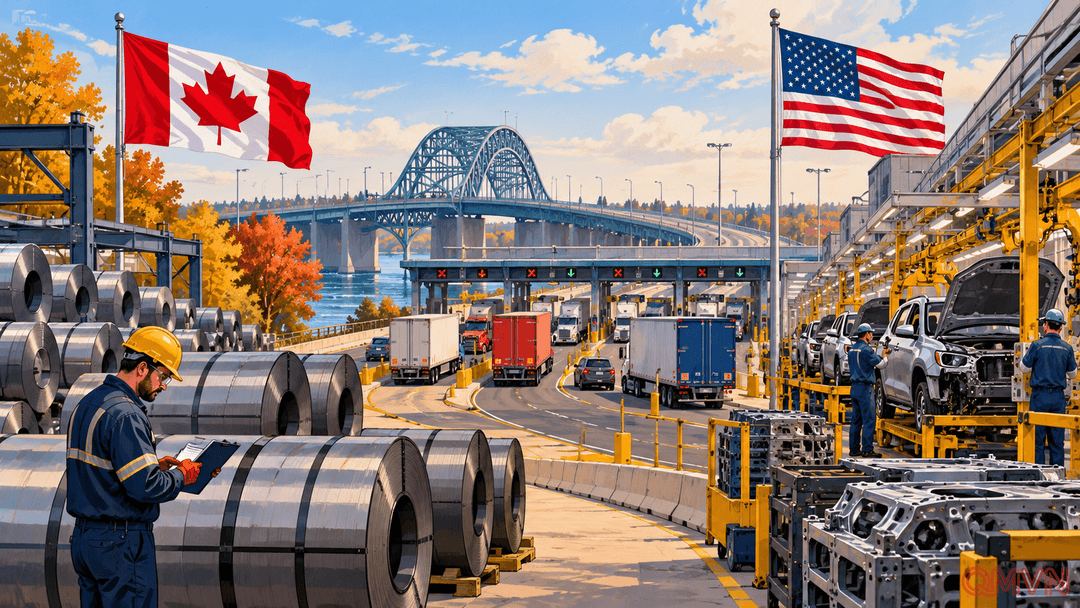
Section 232 of U.S. trade law provides for import restrictions justified on national-security grounds. The measures under discussion include duties of up to 50% on Canadian steel and 25% on automobiles.