MAIN CONTENT
A smaller airline, a different business model
The restructuring represents a reversal of airBaltic's former expansion ambitions. Instead of pursuing a fleet of 100 aircraft by 2030, the company is seeking a more manageable operating base. Fewer aircraft can reduce some expenses, but a smaller network also limits opportunities to generate revenue. Management must therefore balance immediate savings against the need to remain commercially relevant once demand recovers.
Chapter 11 is a legal framework for reorganisation rather than an automatic cessation of operations. Reuters reported in September that a US court accepted the carrier's filing. The company expects to emerge from proceedings in 2027 and has accessed an initial portion of a €350 million financing package for its restructuring. The outcome nevertheless depends on negotiations with creditors and approval of a viable plan.
An overseas opportunity with difficult trade-offs
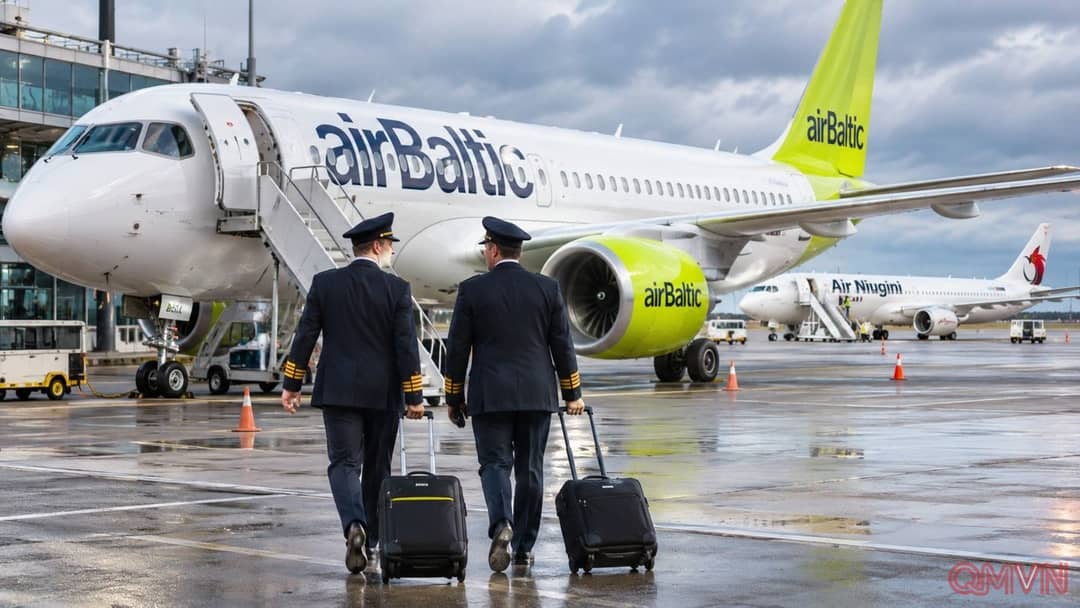
Air Niugini has a different problem: it needs experienced personnel as it modernises its fleet. The Papua New Guinea carrier confirmed that two airBaltic A220 pilots had already arrived to support its transition.