A long walk towards the Gulf
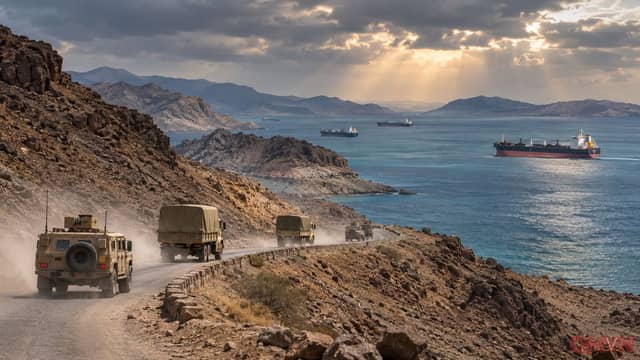
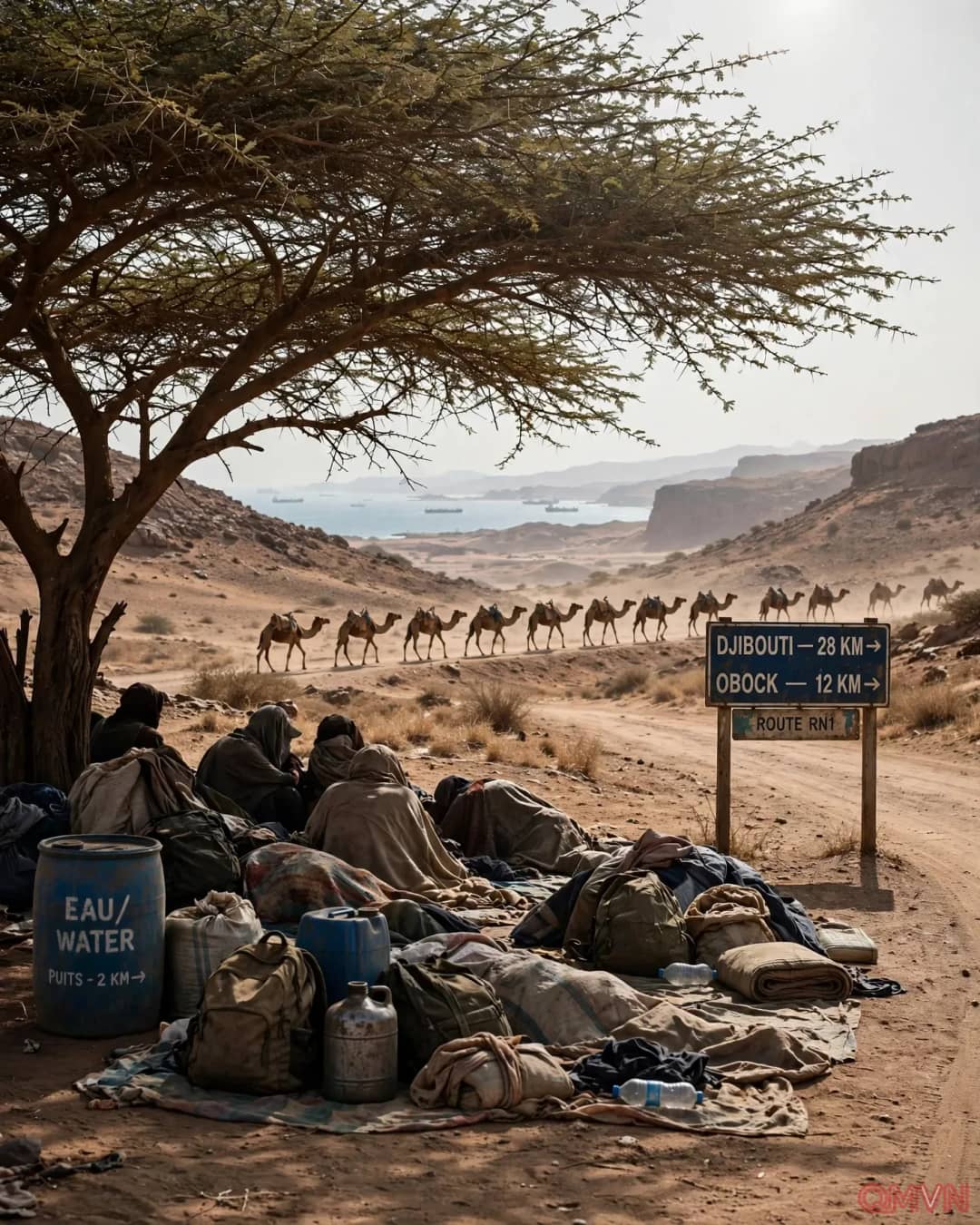
Many of those resting under acacia trees on the outskirts of Obock have walked for days through the desert from Ethiopia, carrying little more than a container of water. Some described seeing fellow travellers collapse from dehydration along the way. Their goal is Saudi Arabia, where a construction boom linked to major projects ahead of the 2030 World Cup has created demand for labour, and word of jobs travels quickly through migrant networks.
Others are fleeing conflict and forced conscription. Some young men told reporters they were escaping recruitment into Ethiopia's armed forces amid continuing fighting in Tigray and other regions, and that children were being prepared for military service at an early age. Ethiopian authorities have not commented on these accounts. According to the International Organization for Migration (IOM), the vast majority of migrants on this route cite economic reasons for leaving.
*"We know that it's dangerous but we have no choice." – Ramadan, a 20-year-old migrant on the road to Obock*
An 'unknown Lampedusa'
Moussa Aden, the prefect of Obock, compares his region to Lampedusa, the Italian island at the heart of Europe's migration debate, and to the French coast near Calais, from which small boats set out for Britain. The difference is that the Bab al-Mandeb is far narrower than the Channel, boats travel in both directions, and there is no functioning state on the Yemeni side with which Djibouti can cooperate.