MAIN ARTICLE
From acceptance to online accusations
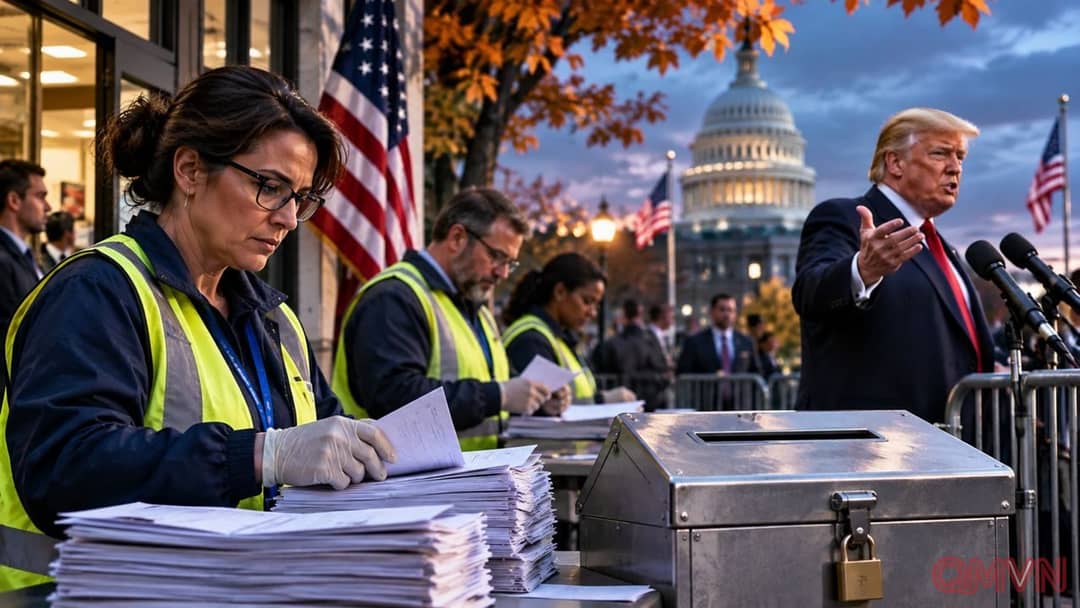
On election night, November 3, as Republicans sustained substantial losses, Trump said he was absolutely willing to acknowledge voters' verdict. On November 9, however, he questioned the election's honesty in a social-media post, citing unusually large early-vote reporting batches and suggesting that machines mattered more than voters. That reversal in fewer than seven days brought a familiar dispute back to the center of American politics.
The statements were not accompanied by investigative records or findings from election administrators. A polling miss is not itself evidence of misconduct: surveys sample public preferences before voting, whereas results count valid votes actually cast. Likewise, large updates to a vote tally can arise from how a jurisdiction processes and releases early and postal ballots. Establishing fraud requires specific, independently testable evidence tied to an identifiable violation, rather than surprise at the outcome.
The New York Times and Washington Post reported that Trump had circulated other speculative material before his November 9 message. Such claims matter because doubts expressed by a president can turn an isolated rumor into a perceived nationwide emergency. Their renewed prominence also coincides with the opposition's preparations to lead Congress, which could intensify scrutiny of the administration and alter the political incentives of both parties.