MAIN ARTICLE
How electricity bills became a political issue
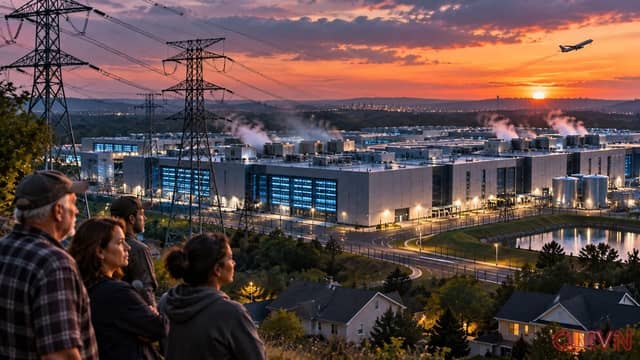
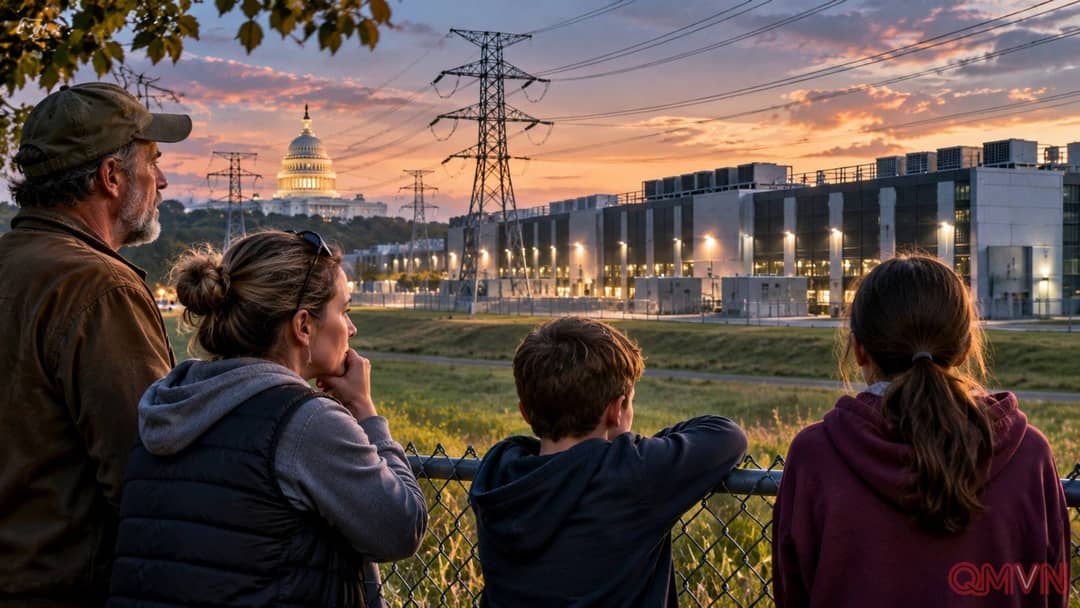
Behind the anonymous walls of data centers are servers, cooling systems and network equipment consuming substantial electricity. Concentrating large facilities in one region may require new substations and transmission lines. The political dispute is therefore not simply whether enough power can be generated but who finances infrastructure built to serve a small number of exceptionally large customers. Residential ratepayers can be affected if those expenses are spread broadly across utility bills.
Reuters reported that local resistance to data-center projects and anxiety over electricity prices became salient issues in the midterm election. With Democrats emerging stronger, the governance of AI infrastructure has moved from an arcane utility debate into a test of congressional responsiveness. Supporters of expansion emphasize jobs and technological competitiveness; critics ask whether the promised prosperity is shared with the towns hosting the facilities.
There is an important distinction between additional costs caused by a specific data center and every factor driving higher power bills. Fuel prices, severe weather, aging infrastructure and state regulatory choices also matter. A defensible policy would measure incremental costs transparently, rather than attributing every increase to AI or pretending the sector imposes no burden at all.