Hormuz tanker claims and fresh US sanctions on Iran expose the fragile foundations of the global oil market
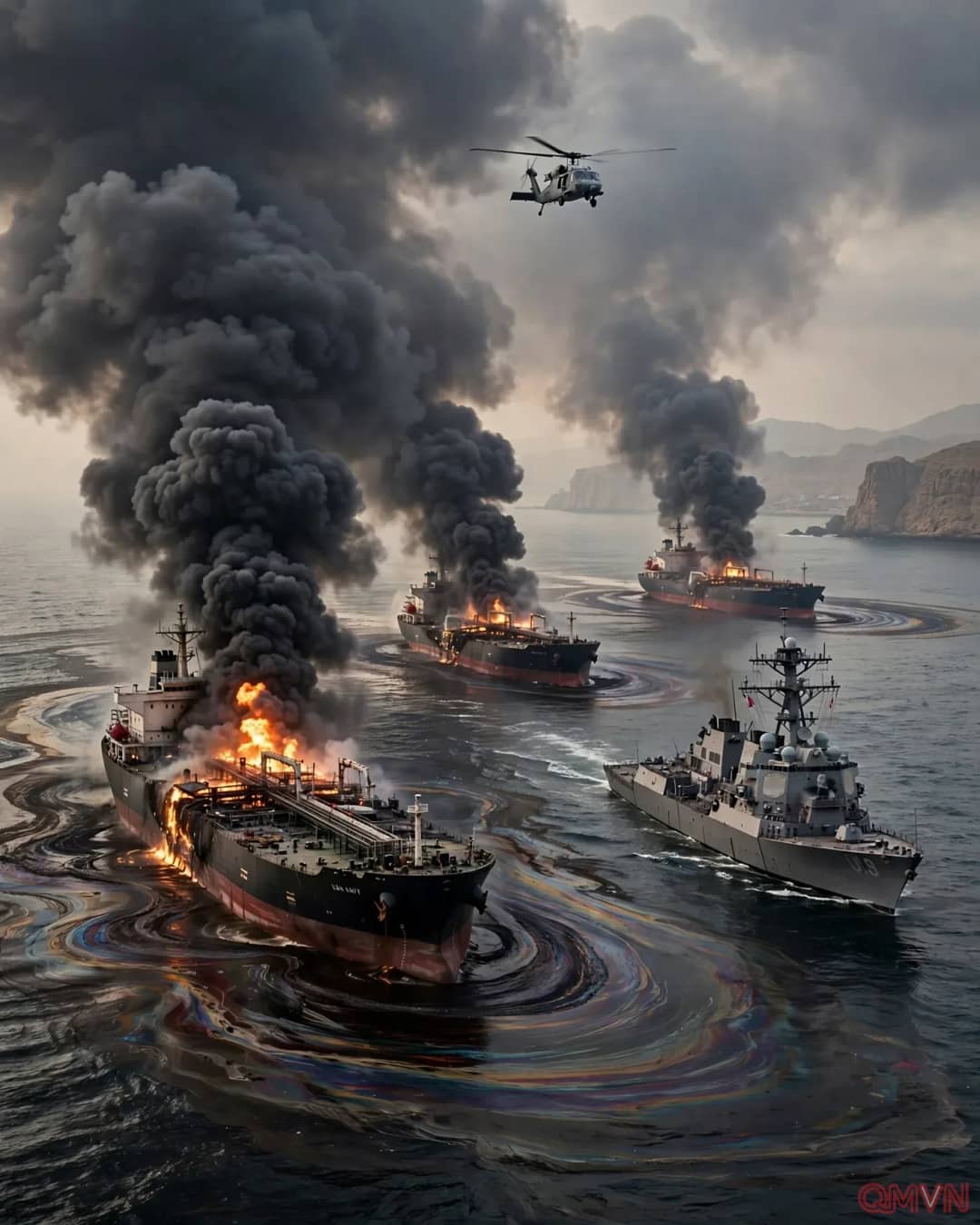
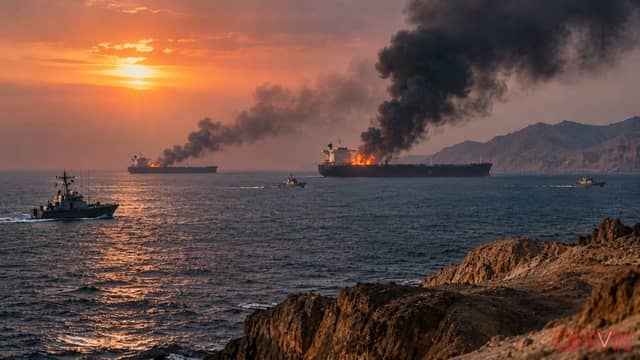
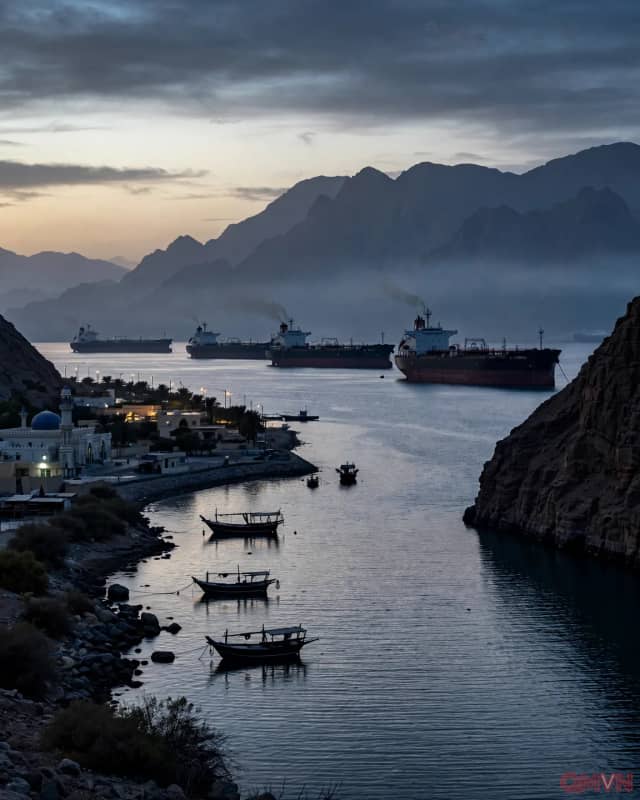
The Strait of Hormuz has become a focal point of renewed uncertainty for international energy markets. On November 24, 2026, CNBC reported that Iran’s Islamic Revolutionary Guard Corps claimed three oil tankers had caught fire after encountering naval mines, despite American military protection. The account has not been independently established. Meanwhile, Washington has confirmed a new round of restrictions on Iranian financial networks, extending pressure beyond the immediate confrontation at sea. Oil prices nevertheless eased, suggesting traders were weighing improving supplies against the possibility of further disruption. The contrast highlights an important distinction between the price of crude today and the resilience of energy deliveries tomorrow. For shipping companies, importing economies and crews working at sea, the crisis is not merely a question of market sentiment. It is also a test of whether commercial activity can remain safe and predictable while diplomatic tensions persist. Neither the latest allegations nor a temporary price decline establishes that the danger has passed.
A maritime crisis with uncertain facts
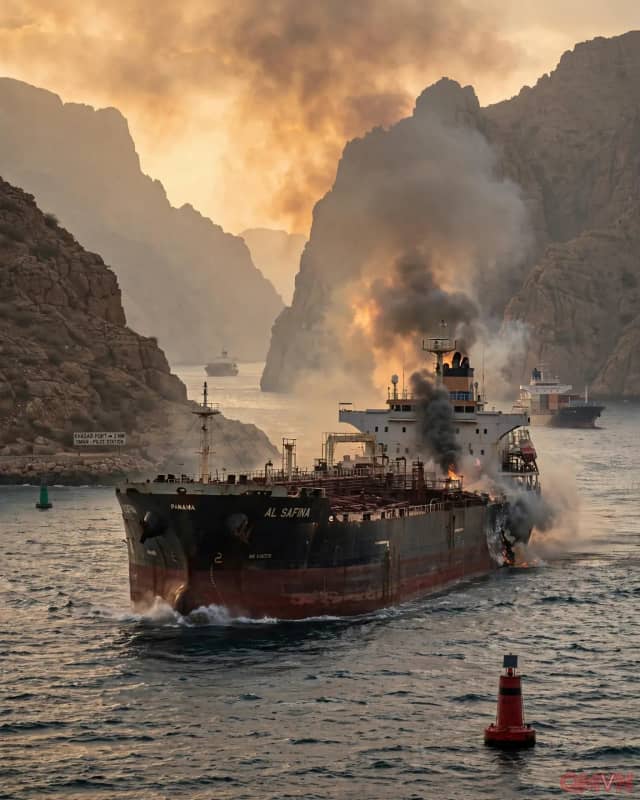
Iran’s account, distributed through the state news agency IRNA and reported by CNBC, presents the alleged tanker incidents as evidence that military protection cannot eliminate maritime dangers. The available information does not independently establish the identities of the affected vessels, their condition or the consequences for their crews. Those gaps matter: a statement issued by a party to a conflict is not equivalent to an independently documented maritime investigation.
The priority should be protection of seafarers and reliable information for civilian shipping. Even without confirmation of every allegation, uncertainty can increase insurance costs, delay deliveries and complicate decisions by commercial operators. The economic consequences can therefore spread well beyond the immediate area of a reported incident.
Financial pressure moves beyond the oil trade
On November 23, the US Treasury announced restrictions on more than two dozen Iranian exchange houses, intermediary companies and individuals. Reuters separately reported the action. Washington describes these measures as part of its Operation Economic Outcast campaign, designed to disrupt financial networks it says support Tehran’s access to international funds.
The Financial Crimes Enforcement Network (FinCEN) also identified approximately $14.7 billion in financial activity potentially associated with Iranian shadow banking between January 2025 and August 2026. This is an assessment of potentially linked transactions, not a judicial finding that every transaction was unlawful. The distinction is essential when interpreting the reach of sanctions and their implications for legitimate trade.
For businesses, the effects extend to compliance checks, banking relationships and payment delays. Financial restrictions may increase pressure on Iranian authorities, but their consequences can also reach ordinary households through inflation, reduced purchasing power and difficulties obtaining imported goods. Assessing the policy requires attention to both its intended security objectives and its humanitarian consequences.
Why falling oil prices do not guarantee safety
CNBC reported Brent crude near $89.2 a barrel and US West Texas Intermediate near $80.1 on November 24. Improving regional supplies and recovering Russian exports were among the factors identified as easing price pressure. Yet the quoted prices are a snapshot of trading rather than a guarantee of future availability.
The International Energy Agency (IEA) estimates that approximately 20 million barrels of crude and petroleum products passed through Hormuz daily in 2025. Such concentration means that even a temporary interruption can affect countries far from the Gulf. Alternative export infrastructure exists, but it cannot automatically replace all the flows normally handled by the strait.
Digital threats and the cost of uncertainty
The Wall Street Journal, as cited by CNBC, reported that US authorities were investigating suspected cyberattacks involving energy tankers, with Iran and Russia among the possible subjects of scrutiny. Attribution remains unresolved. Neither suspicion nor the opening of an investigation proves responsibility.
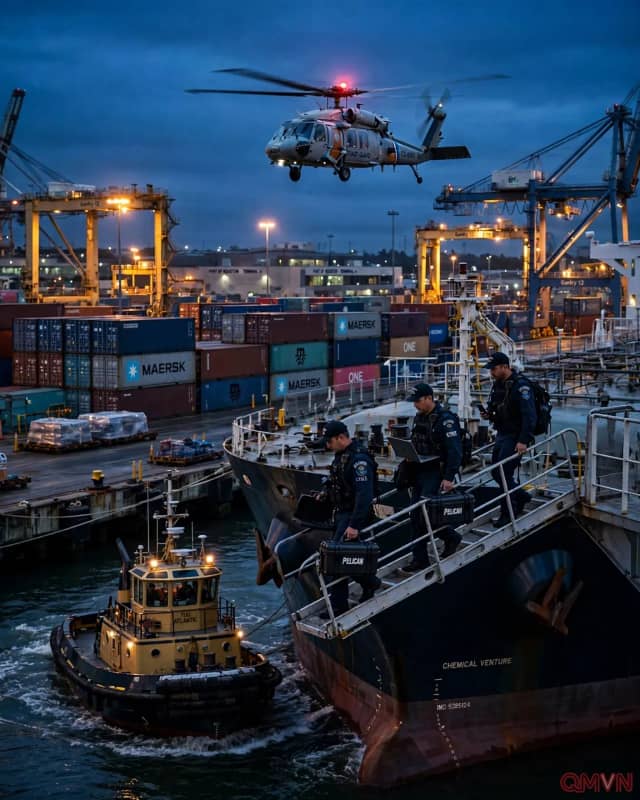
The reported cases illustrate the growing importance of digital resilience in maritime commerce. Businesses must maintain reliable communications, prepare for service interruptions and coordinate with competent authorities. Independent verification, crew welfare and continuity of essential services should remain central to any response.
What the world should watch next
Independent confirmation of maritime incidents and the safety of affected crews.
Changes in actual energy deliveries, transport costs and the availability of insurance.
The economic and humanitarian effects of sanctions, alongside credible diplomatic efforts to reduce tensions.
A lasting improvement would require more than a favorable trading session. Confidence depends on sustained commercial access, transparent information and a reduction in the risks faced by people working at sea.