MAIN BODY
Memory becomes a public responsibility
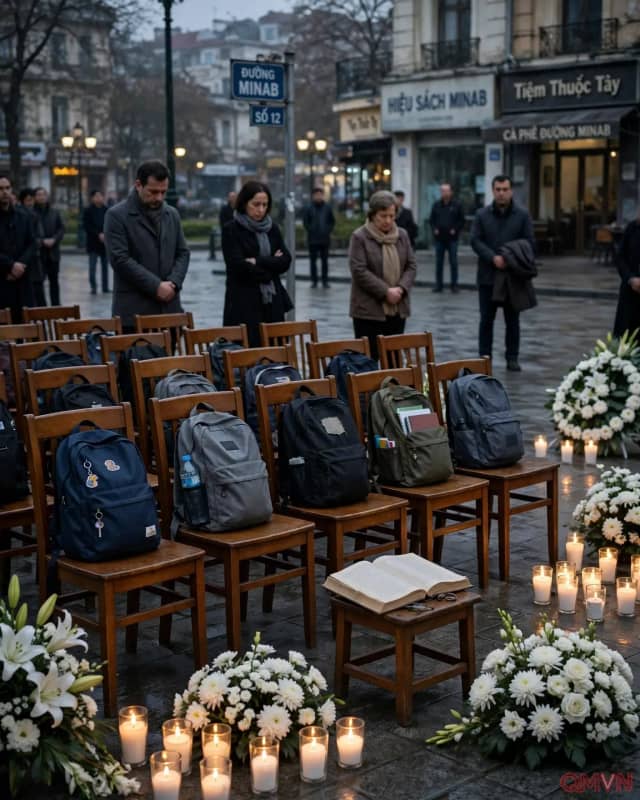
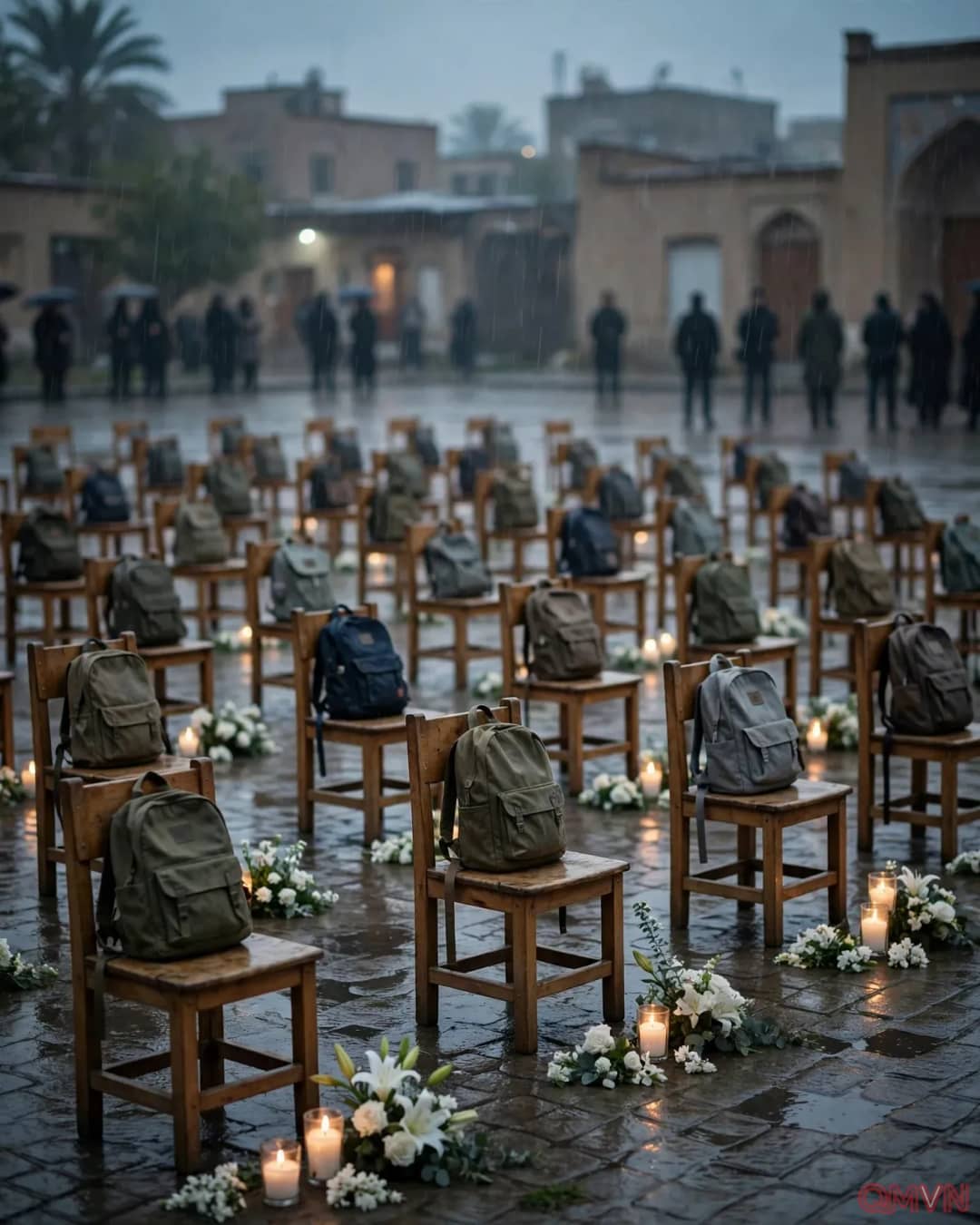
The campaign’s most compelling feature is its use of familiar objects rather than elaborate political arguments. Tehran Times describes empty classroom chairs and schoolbags in London, a memorial book for visitors, photographs in The Hague and a candlelight gathering in Paris. These displays invite people who have never visited Iran to imagine the consequences of a classroom permanently losing its pupils. The campaign’s organizers present the activities as expressions of solidarity; the scale of participation has not been independently established.
The same report describes symbolic actions in Pakistan, Los Angeles and German cities, together with an artistic event in Tokyo. The activities differ in form but share an emphasis on remembrance. Their significance lies less in the number of participants than in the possibility of maintaining public attention after international news coverage has moved elsewhere. Such initiatives can make distant suffering recognizable without requiring agreement on every aspect of the conflict.
Evidence and the search for accountability
Amnesty International’s March investigation into the attack on Shajareh Tayyebeh Primary School drew on visual evidence and interviews. Its assessment calls for accountability and investigation of possible violations of the laws of war.