MAIN CONTENT
Resilience as a negotiating message
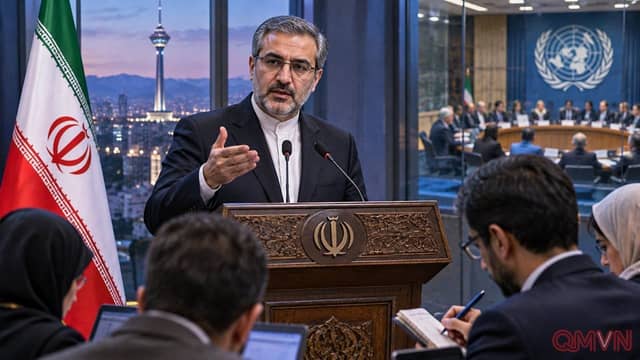
Araghchi portrayed the conflicts lasting 12 and 40 days as evidence that Iran had prevented its adversaries from imposing their preferred political outcomes. In his account, demands for surrender eventually gave way to calls for a ceasefire or negotiations. These are the minister’s interpretations of the confrontations, rather than independently established judgments about their military or political results. His speech also credited state institutions and the population with maintaining national resilience.
The political significance of this argument extends beyond the battlefield. Tehran is signaling that it wants dialogue without appearing to concede under coercion. Iran International also reported on November 23 that the minister would continue pursuing talks on sanctions relief. That position allows the government to present negotiation as an instrument of national policy rather than an admission of defeat. Whether its counterparts will accept such a framework is another question.
Diplomacy faces an unresolved dispute
The immediate obstacle is the gap between the terms acceptable to Washington and Tehran. Reuters reported on November 20 that Araghchi sought assurances about US seriousness before further negotiations, while Trump rejected the terms Iran was seeking.