An executive order with consequences beyond Washington
The White House presented the September 4 order as part of a package to help American ranchers. In the order, the administration said ranchers remain central to the nation’s food supply, cultural identity, and domestic beef production. It also argued that the U.S. cattle herd has fallen to a 75 year low even as consumer demand for beef has climbed by nearly 10 percent over the past decade.
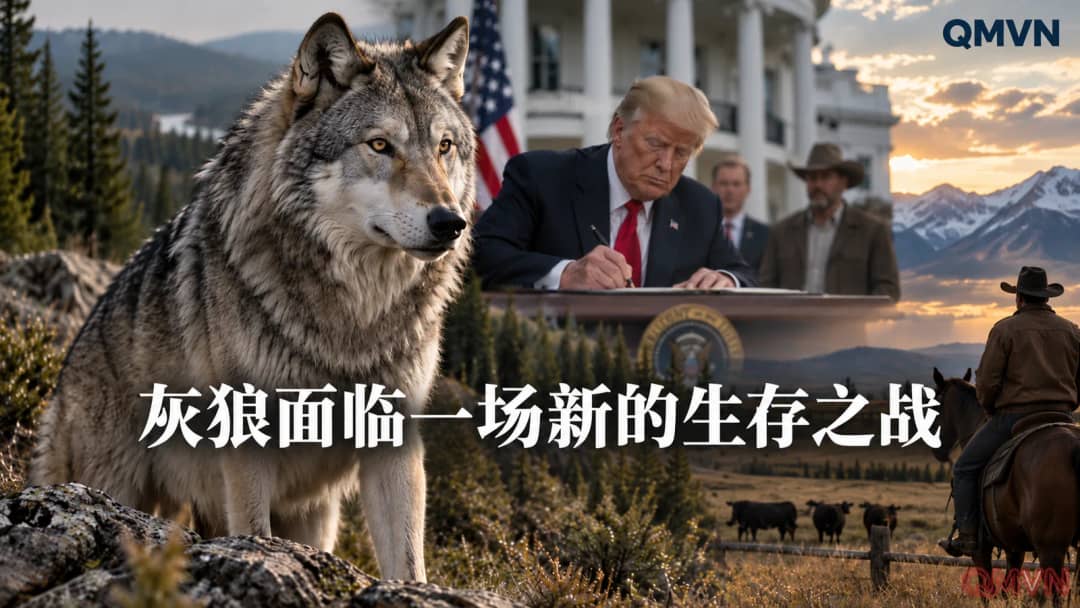
Within that broader agenda, the wolf provisions quickly became the most closely watched. The order instructs Interior Secretary Doug Burgum to determine within 90 days whether gray wolves and Mexican wolves have met the recovery criteria for delisting or downlisting under the Endangered Species Act. If he decides they have, the department is directed to begin that process. The White House also wants legislative recommendations prepared and states encouraged to reconsider local protections and standards for lethal takings.
That language matters because it signals a shift not only in paperwork but in political tone. Wolves are no longer being discussed simply as a conservation success or a management challenge. They are being framed as part of a larger fight over rural livelihoods, federal power, and who gets to define what recovery really means.