Oral exams in the AI capital
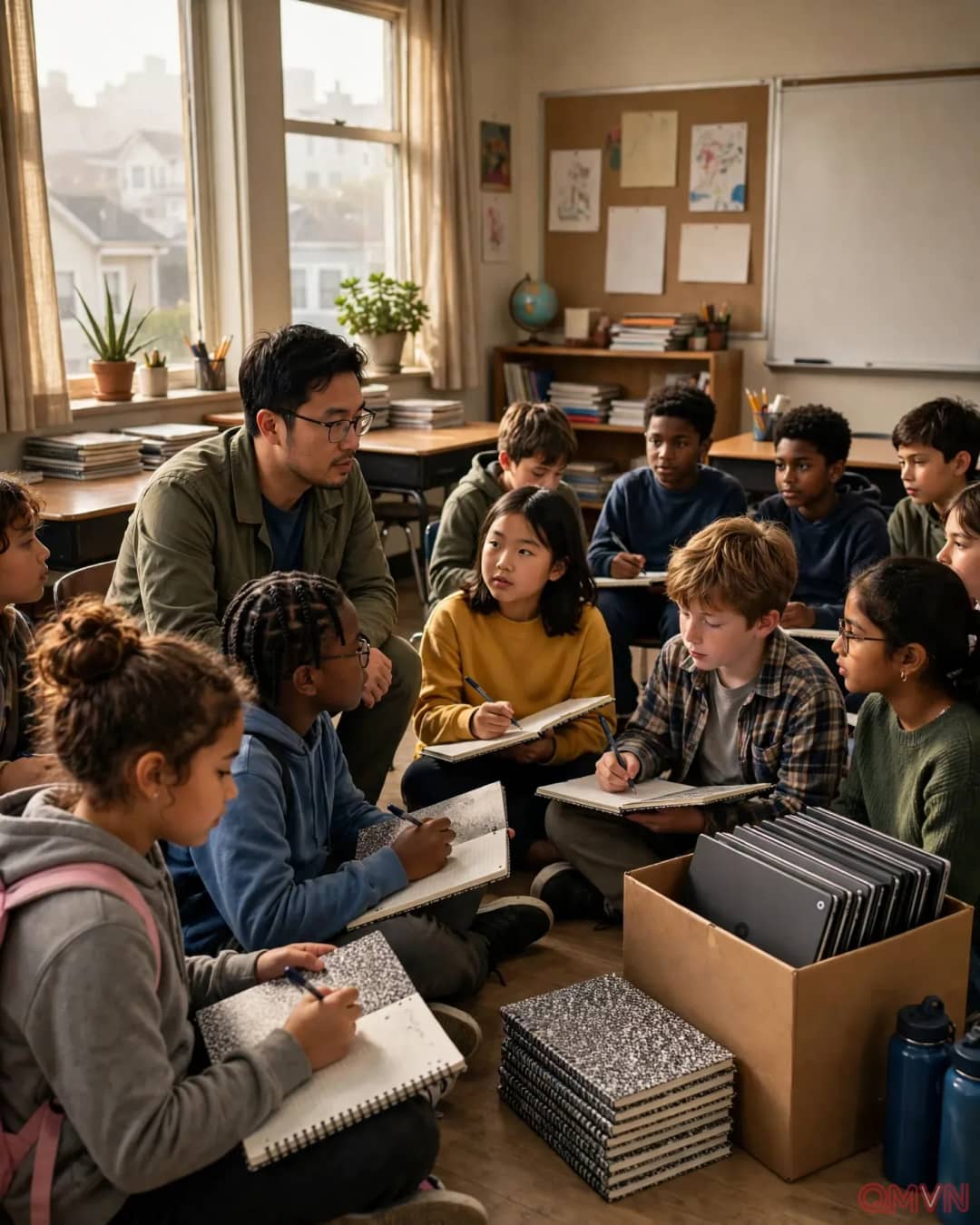
In San Francisco, the heart of the AI industry, sixth-grade humanities teacher Tristen Chang has designed her classroom so that students cannot lean on chatbots. Since last year, she has abandoned take-home essays in favour of oral exams, asking students 15 questions about character, plot, theme and metaphor, which they can answer in as little as five minutes. She describes AI as the most drastic technological change her profession has faced, one that has upended long-standing teaching practices.
Chang's response is part of a wider trend. With chatbots on every phone and laptop, many teachers no longer trust that work completed at home reflects a student's own understanding. Antero Garcia, an education professor at Stanford University and president of the National Council of Teachers of English, notes that while adults increasingly use AI tools at work, educators have yet to settle what those tools should mean for learning.
Bringing learning back into the classroom
Teachers are moving more of the learning process into the room where they can see it. Rusty Shabe, a middle school English teacher in San Francisco, says students often turn to AI at home when they feel overwhelmed, so he now spends far more class time on writing, devoting a month to working through a single essay with seventh-graders. Bobson Wong, a high school math teacher in New York, assigns fewer homework problems and more in-class practice so he can observe how students work.