MAIN CONTENT
Artificial intelligence depends on tangible work
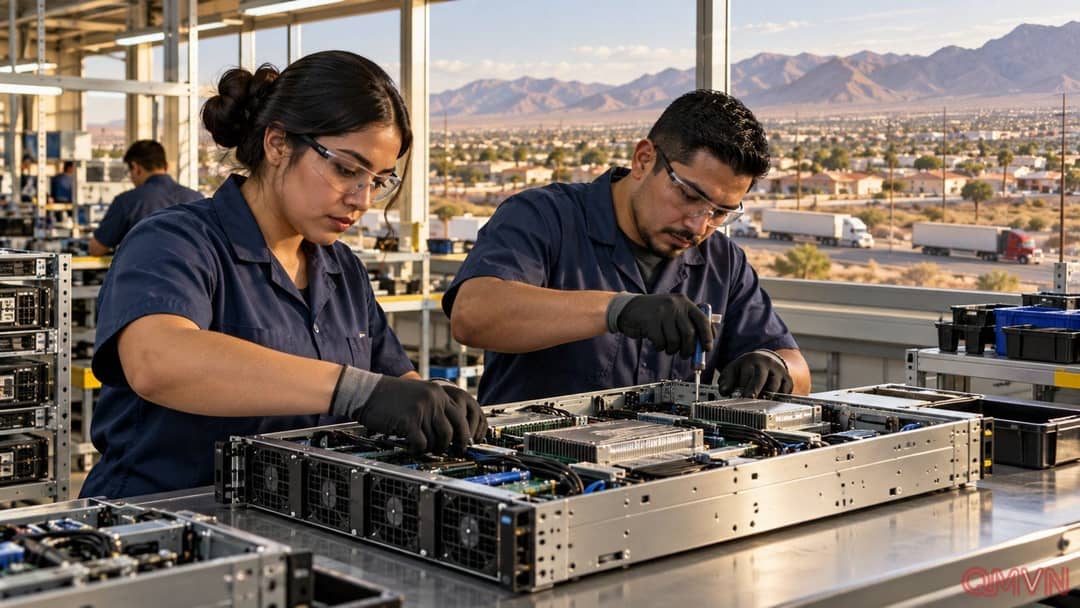
In Sheridan's essay, Roger Vilchis, a roadside seller on the edge of Juárez, initially thought the large building nearby would become a shopping centre. When he learned it was an Inventec factory making AI servers, he saw something specific: an opportunity for more employment. His reaction brings a technological revolution often described through algorithms back to the everyday life of a neighbourhood.
AI needs equipment that is manufactured, assembled, tested and transported before digital services can operate. Inventec, headquartered in Taiwan, confirms a production site in Juárez on its official website. Its presence illustrates that the industry supporting AI extends beyond prominent research centres into manufacturing cities and the people whose work turns designs into usable equipment.
A new factory, however, is not proof that everyone living around it has benefited. Employment opportunities may be visible immediately; job quality, training prospects and effects on the surrounding community require further assessment. A serious account of technological change needs to hold that hope and those unanswered questions together, rather than treating a building as a complete measure of progress.