MAIN CONTENT
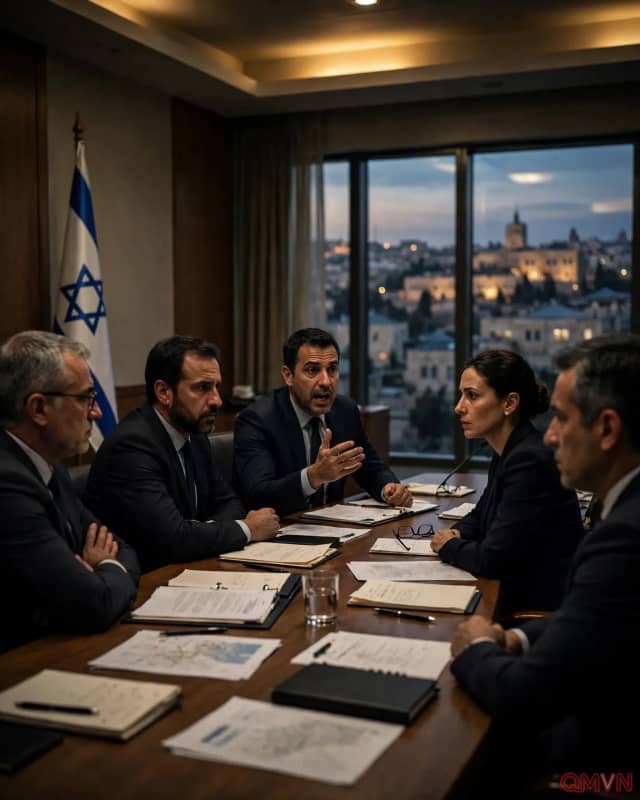
A referendum on Netanyahu
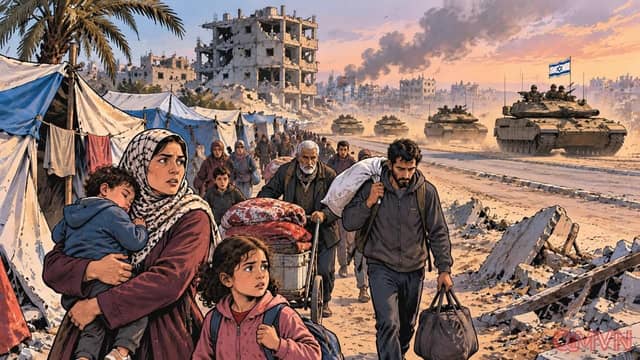
The deadliest day in Israel's history features prominently in the campaign, but not in the way many outsiders might expect. There has been almost no debate over Israel's conduct in Gaza – which led to an international arrest warrant against Netanyahu – its occupation of much of southern Lebanon and parts of Syria, or its two wars against Iran. Both main blocs are dominated by parties that support Jewish settlement in the occupied West Bank and oppose a Palestinian state, and no major candidate advocates reviving the peace process.
According to the Israel Democracy Institute, around 68% of Jewish Israelis say their attitudes toward October 7 are central to deciding which party to support; among Arab citizens, just 32% said so, with most citing crime as the main issue. Netanyahu has sought to shift blame to security officials while touting military achievements against Hamas, Hezbollah and Iran; critics accuse him of evading responsibility by blocking an official inquiry, of failing to bring hostages home sooner – the last were returned in a ceasefire deal last year – and of failing to win a decisive victory against any foe.
Military service and the ultra-Orthodox
Netanyahu's coalitions have long relied on ultra-Orthodox parties that demand exemptions from conscription for young men in religious study – a policy that has infuriated the secular majority as reservists were repeatedly called up. About a quarter of Jewish voters rank it as a key factor.