MAIN CONTENT
Brussels exposes a dispute over wartime priorities
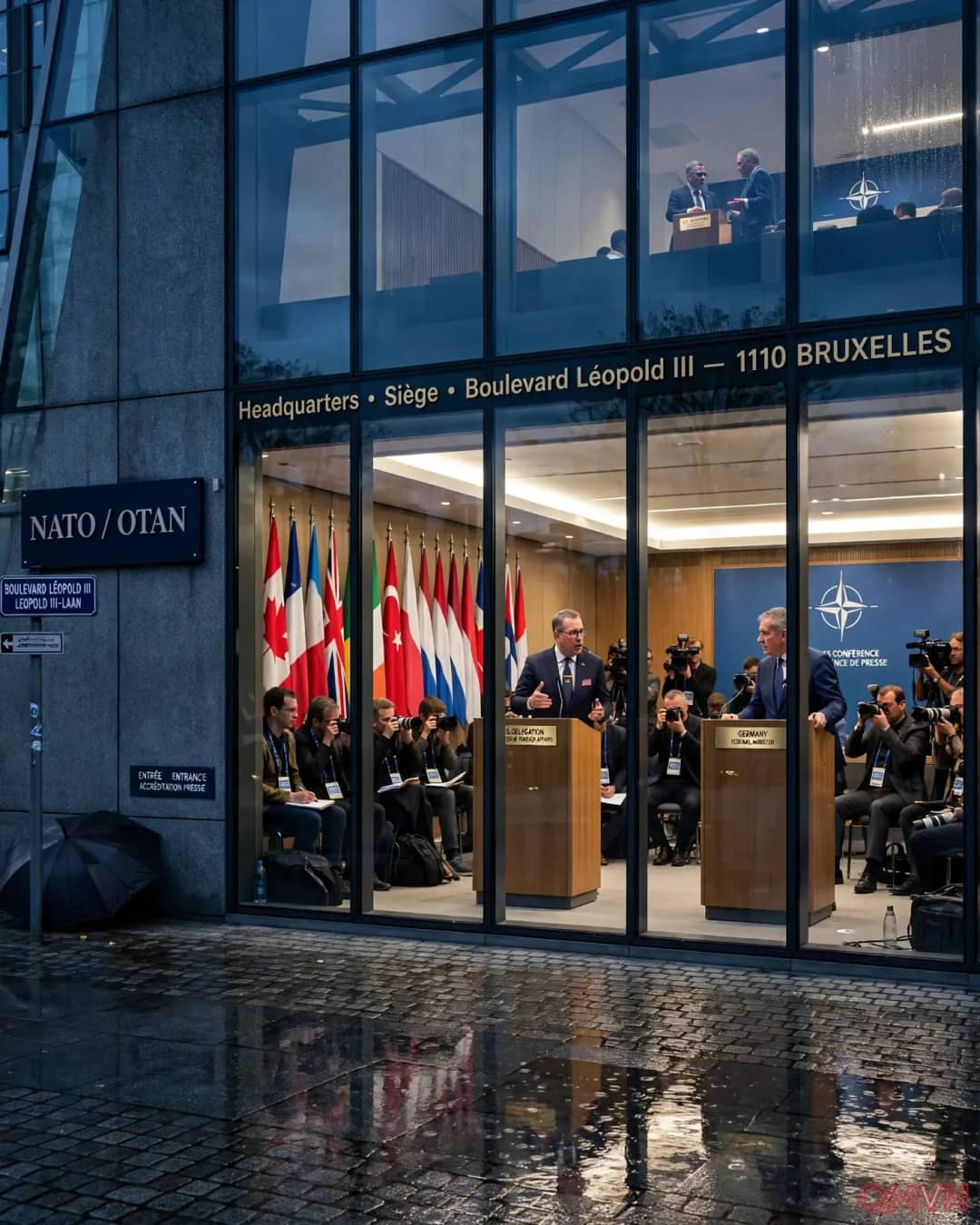
At the Ukraine Defense Contact Group meeting, often called the Ramstein format, Elbridge Colby urged Kyiv’s supporters to emphasize equipment and tactics that stop Russian advances directly. He acknowledged the usefulness of medium-range drones employed to disrupt logistics, but challenged the idea that conspicuous long-range strikes necessarily bring negotiations closer or weaken Russian operations at the front. His intervention reflected an argument about measurable battlefield outcomes rather than a blanket objection to Ukrainian self-defence.
Boris Pistorius responded that criticism should focus instead on Russian attacks damaging Ukraine’s electricity, water and heating infrastructure. Wes Streeting likewise said properly directed strikes could degrade the machinery sustaining Russia’s campaign. Their remarks underscored a strategic distinction: Washington’s representative stressed immediate operational returns and escalation risks, while the European ministers placed greater weight on the costs that disruption can impose on Moscow over time. The disagreement was sharp, but it did not establish that the allies had abandoned their shared interest in Ukraine’s survival.