The third wave has begun
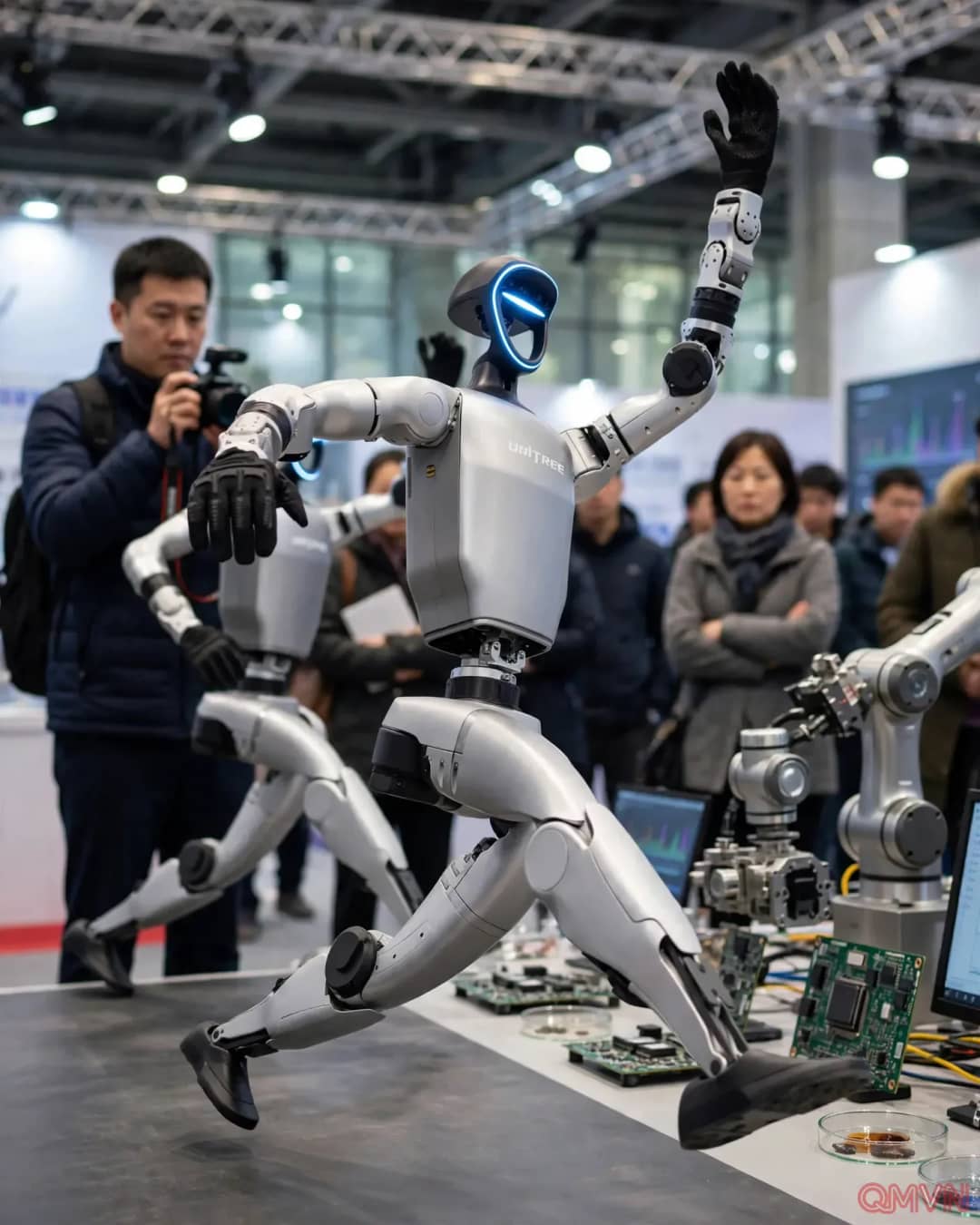
Speaking after a virtual panel hosted by the Peterson Institute for International Economics (PIIE), Garcia-Herrero said the new wave would centre on AI, both hardware and software, along with biotechnology and robotics. Although still a major importer of advanced chips, China is developing its own AI systems and could export them with data centre and cloud services, followed by humanoid and industrial robots, creating a "humongous" shock beyond the current one.
In her view, cheap energy will give China the world's lowest computing costs, extending its competitive strength from industrial goods into services. She argued that a huge economy that is competitive across the board but largely closed to imports must behave in an "extremely reasonable" way.
"We are already at the starting point of the China shock 3.0." — Alicia Garcia-Herrero
From shock 1.0 to 3.0
The "China shock" has gone through several phases:
- Shock 1.0: popularised by US economists David Autor, David Dorn and Gordon Hanson, linking the surge of Chinese imports after China joined the WTO in 2001 to lost US manufacturing jobs and declining factory towns.