MAIN STORY
A channel still open in a dangerous moment
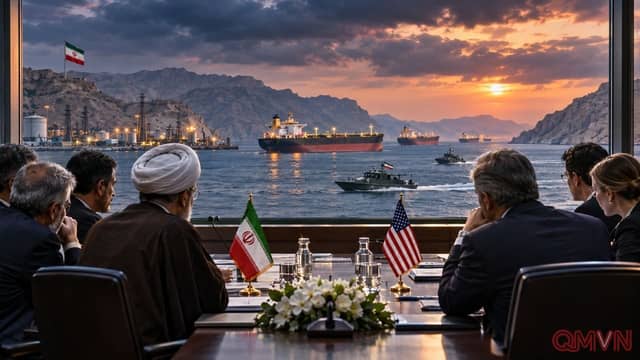
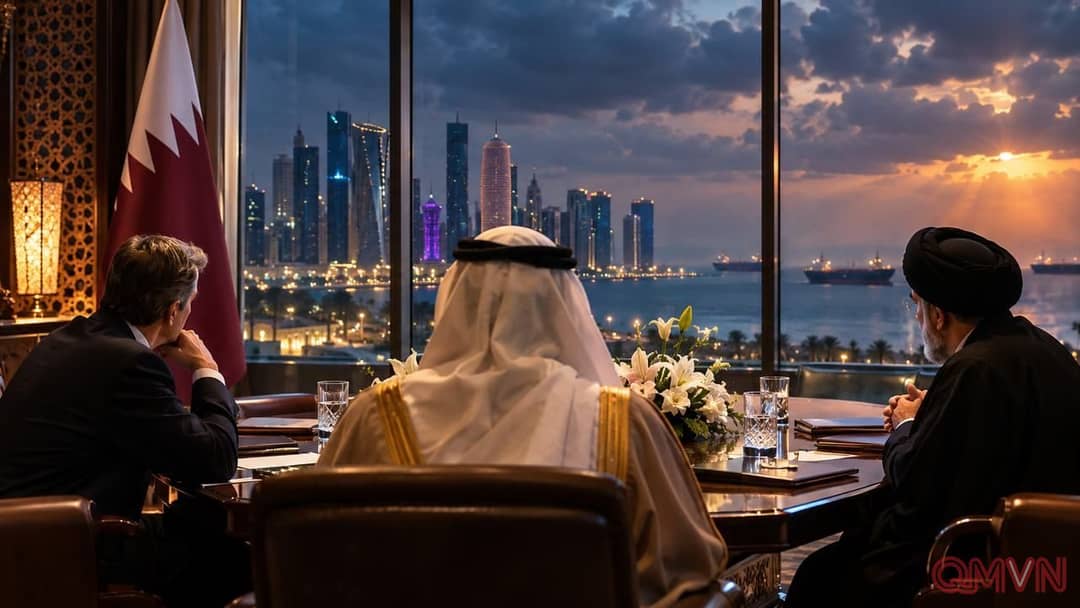
The clearest message from Doha is not that peace has been secured, but that negotiations have survived another period of uncertainty. Speaking in comments carried by Al Jazeera and reported by Reuters on November 7, Prime Minister Sheikh Mohammed bin Abdulrahman Al-Thani described considerable progress and voiced confidence that a settlement remained possible. He also offered an unusually practical measure of success: “We cannot wait to reach a perfect agreement; we hope to reach a good agreement,” said Sheikh Mohammed bin Abdulrahman Al-Thani.
That distinction carries weight. After months of conflict, a first arrangement might focus on containing immediate danger rather than resolving every dispute between the two governments. Stopping attacks, restoring predictable shipping arrangements and creating a process to verify commitments could themselves change the atmosphere. But a statement of confidence by a mediator is not evidence that either party has accepted a final text. Qatar’s role is to keep negotiation possible while major disagreements remain.
Doha’s foreign ministry supplied a more cautious picture on November 3. Its spokesperson, Majed bin Mohammed Al Ansari, said a Qatari delegation had held approximately three hours of discussions in Tehran and that proposals were being exchanged continuously. Both sides were examining ideas, he said, but no specific breakthrough could yet be announced. The two accounts are compatible: communication can become more productive before an enforceable agreement exists.