MAIN ARTICLE
Seven conditions and the problem of sequencing
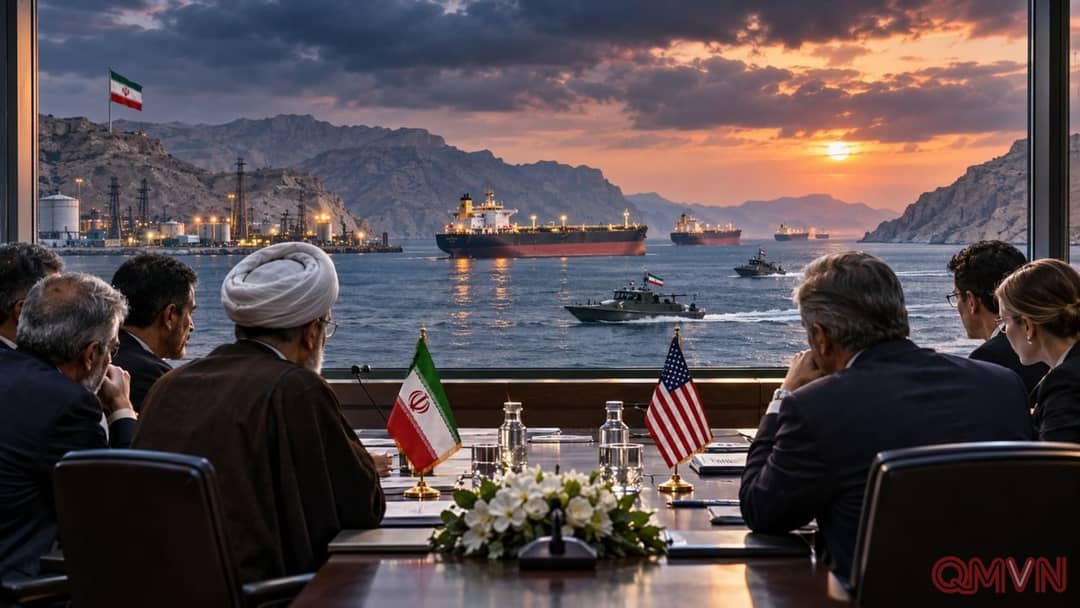
In a November 11 interview with Al Jazeera, Mohammad Bagher Ghalibaf said Tehran had transmitted its position through intermediaries and was awaiting a formal American reply. As Iranian officials describe them, the conditions involve lifting the maritime blockade on Iranian ports, easing sanctions, removing additional US forces deployed after the war, preventing renewed attacks and addressing linked hostilities, including in Lebanon. Previous Iranian accounts also refer to frozen assets and reparations. These are reported demands, not provisions already accepted by Washington.
The sticking point is who acts first. Iran wants tangible moves before formal talks and a full reopening of Hormuz; American officials say the nuclear dossier must be addressed in the opening phase. Reuters reported on November 5 that an Iranian nuclear proposal had passed through Qatar, but an Iranian official conditioned discussions on the seven demands. Mediators have discussed a faster two-day implementation concept. That should not be mistaken for an agreed timetable or proof that either government has undertaken the requested actions.
Hormuz: an energy lifeline and legal flashpoint
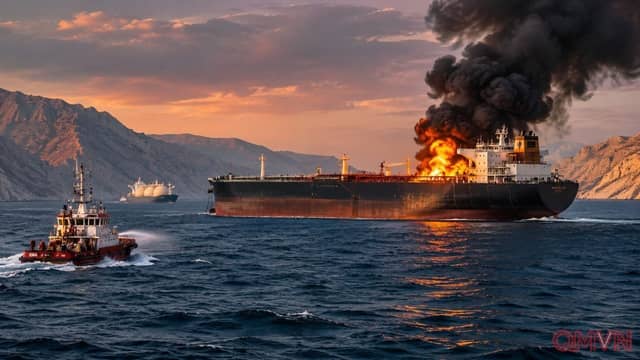
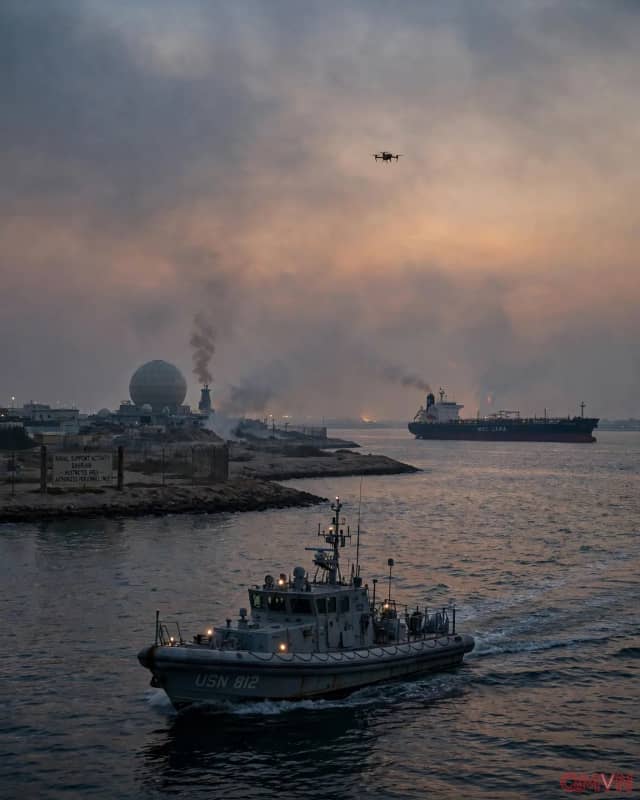
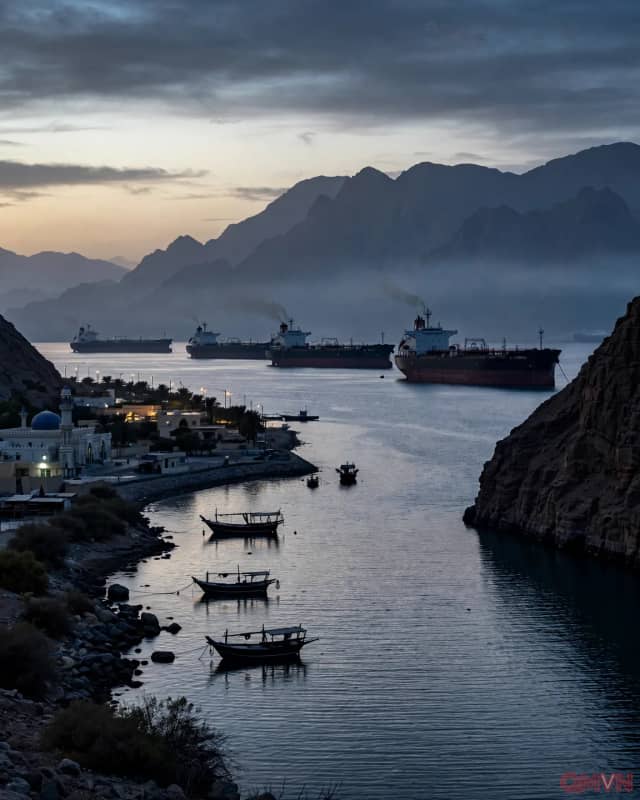
The Strait of Hormuz connects Gulf exporters with the Indian Ocean, moving a significant share of internationally traded oil and gas. Disruption reaches well beyond crude prices: insurance premiums, freight charges, delivery schedules and import bills all rise when ships face heightened danger.