Two drones, two versions of the truth
According to CENTCOM, the two attack drones were intercepted before reaching Bahrain, home to the headquarters of the U.S. Navy’s Fifth Fleet, causing no injuries or damage. Yet Iran’s state news agency IRNA cited an IRGC statement insisting the force had hit a U.S. early warning radar system in Bahrain. It was the first time since September that Iran had reported targeting a facility on the small kingdom’s soil.
Iran framed the attack as retaliation for a U.S. strike on a telecommunications pole in the southern Iranian port of Sirik. Bahrain’s Ministry of Information did not immediately comment. As so often in this conflict, each side tells its own story, and the truth usually lies somewhere between opposing military statements.
The script is a familiar one. In June, after downing a salvo of ballistic missiles and drones aimed at Kuwait and Bahrain, CENTCOM called IRGC claims of an attack on Fifth Fleet headquarters false. The information war, in other words, always flies alongside the war in the skies.
The Strait of Hormuz: an energy artery encircled by mines
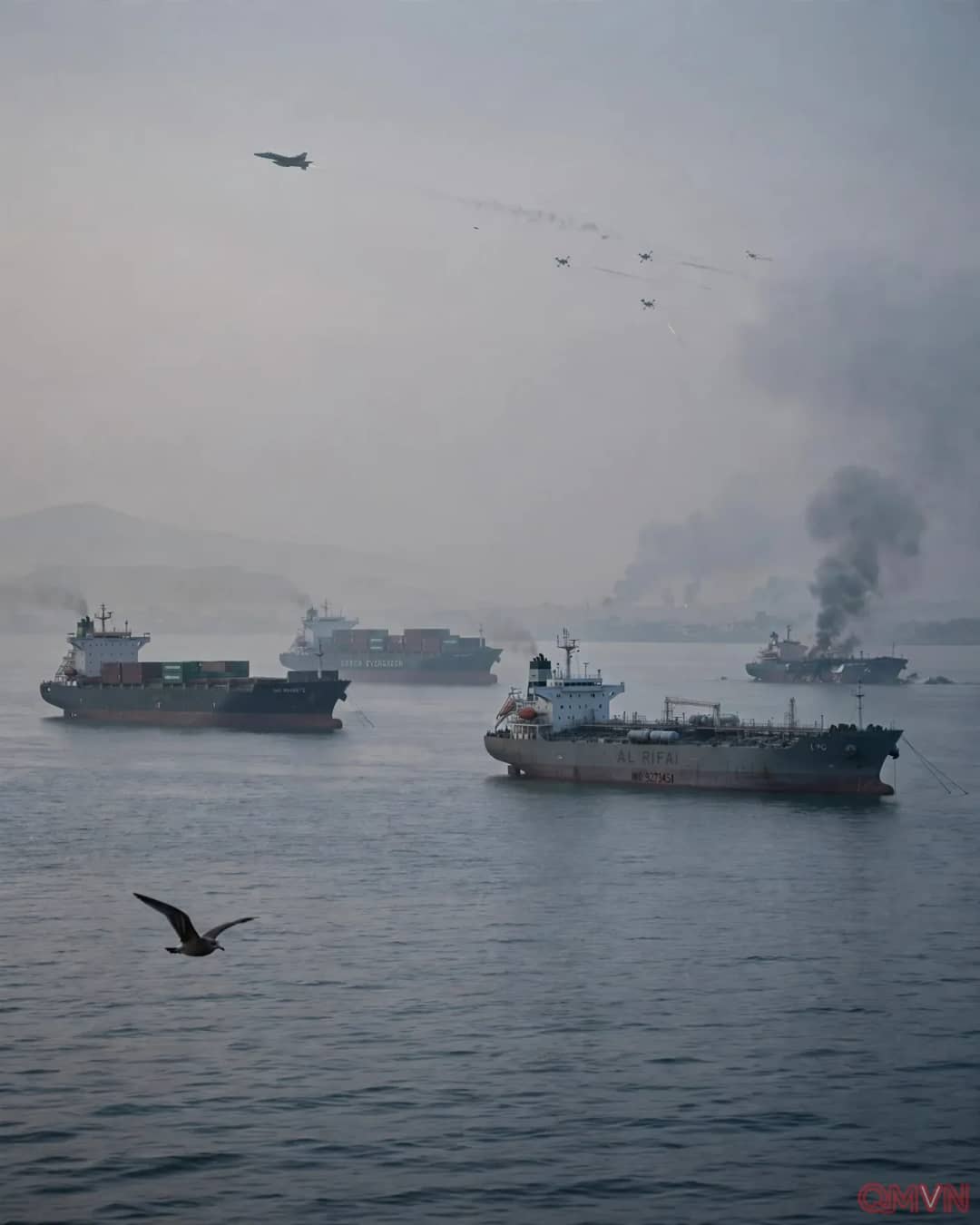
The IRGC said the LPG tanker ignored repeated warnings while transiting the eastern part of the strait before striking a mine and exploding. The claim could not be independently verified.