MAIN CONTENT
Two emergencies, forty-eight hours
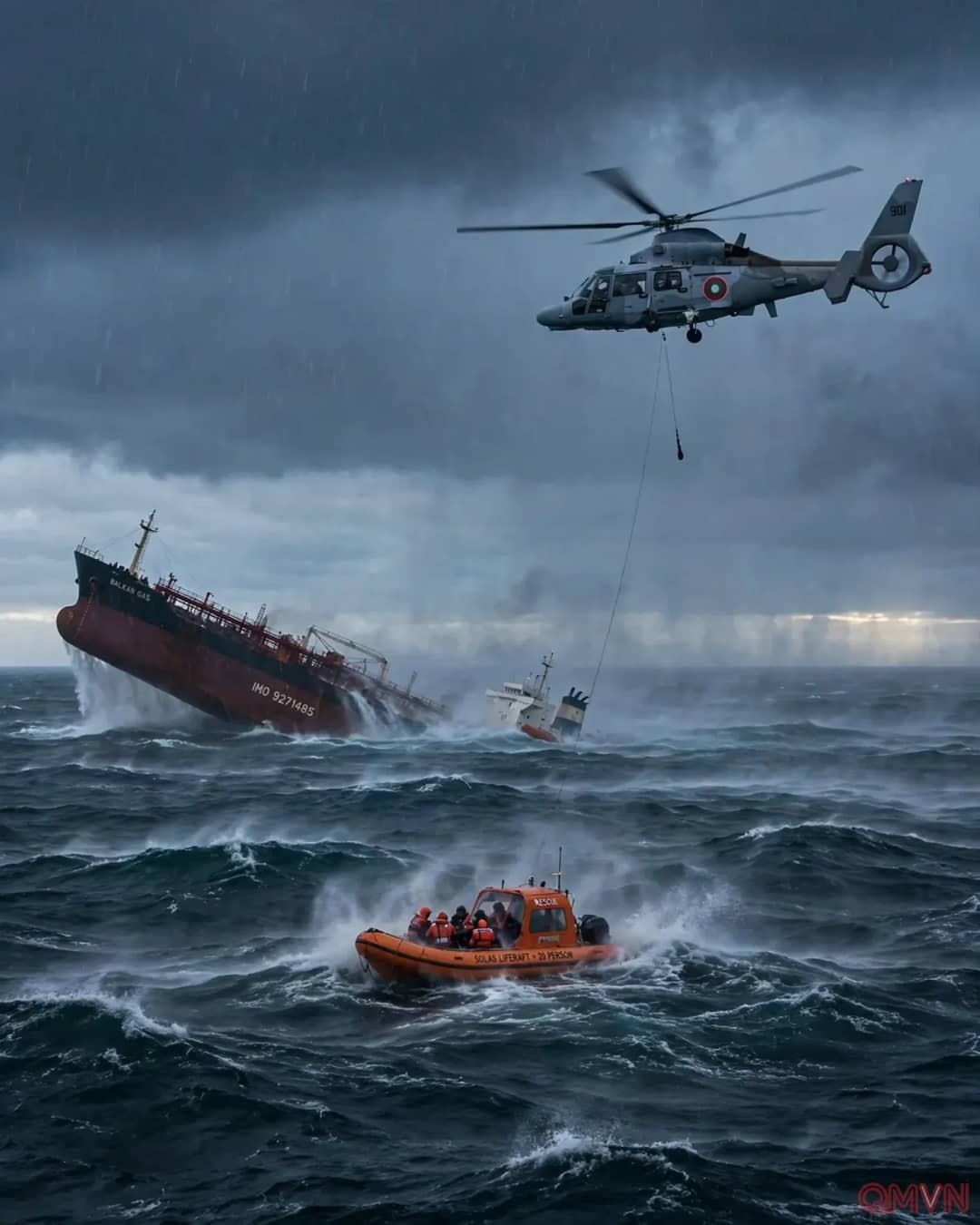
Bulgaria’s defence ministry said GAS HUSKY disappeared from radar shortly after midnight on November 17. At 8:02 a.m., an emergency beacon associated with the vessel activated. The ship was roughly 50 nautical miles off Bulgaria’s coast. A Cougar helicopter headed toward a located life raft as maritime authorities coordinated the search. At that moment, the priority was not assigning blame but reaching sailors in the open sea.
Reuters subsequently reported that all 19 Filipino seafarers had been evacuated from the raft to an air base in Varna. Their survival changed the immediate human outcome of a potentially devastating incident. The Liberian-flagged LPG tanker had been sailing from Alexandria in Egypt toward Romania’s Midia port. Official reports of sinking and rescue do not, by themselves, establish how or why the vessel went down.
On November 16, the Somali-flagged BETUL 8 had sunk near Cape Kaliakra while carrying wheat. AP reported that all 12 sailors—eight Turkish and four Azerbaijani nationals—were rescued in an operation involving ships from Bulgaria, Romania and Türkiye. Maritime security sources cited by Reuters said a sea drone struck that vessel. That account warrants careful attribution while investigators examine technical evidence and responsibility.
Why a shipping zone matters far beyond Bulgaria
Both ships flew foreign flags and carried different cargoes, but their emergencies occurred within Bulgaria’s exclusive economic zone. An EEZ is not identical to territorial waters: the coastal state has specified resource-related rights, while international navigation freedoms continue.
That distinction matters because a dangerous incident there has implications for ships and customers from many countries.
The Black Sea connects grain-producing ports, energy trade and general cargo to Mediterranean markets through the Turkish straits. Repeated distress calls and warnings can prompt shipowners to change routing, revisit insurance cover and strengthen crew preparations. The financial consequences may eventually appear in import costs even far from the affected coast.
It would be premature to conclude that the two sinkings had one perpetrator, identical mechanisms or a shared operational plan. Statements by authorities, accounts from maritime sources and findings of a completed investigation are three different categories of evidence. Satellite information, recovered fragments, vessel records and testimony may help establish what happened, but those processes take time.
Rescues succeeded; the safety challenge remains
The GAS HUSKY rescue demonstrated the practical value of emergency location devices, helicopter capability and coordinated maritime response. Searching for a small raft at sea is time-sensitive, and prompt detection can turn a potential mass-casualty disaster into an evacuation in which everyone survives.
Authorities must still assess environmental risks, fuel and cargo remaining aboard the sunken vessels, and whether nearby navigation requires new warnings. With an LPG carrier, particular care is needed in interpreting claims about leaks or fire: the type and condition of the cargo system matter, and an incident report is not proof that a release occurred.
Türkiye has called attention to maritime security and the need to keep grain exports moving. Such concerns extend beyond diplomacy. Interruptions affect shipping workers, commercial planning and countries that depend on imported food. Transparency about the incidents, cooperative rescue readiness and restraint around civilian maritime routes are essential if this trade corridor is to remain viable.