Prominent Indian digital rights organizations say police ordered removal of their accounts on platform X
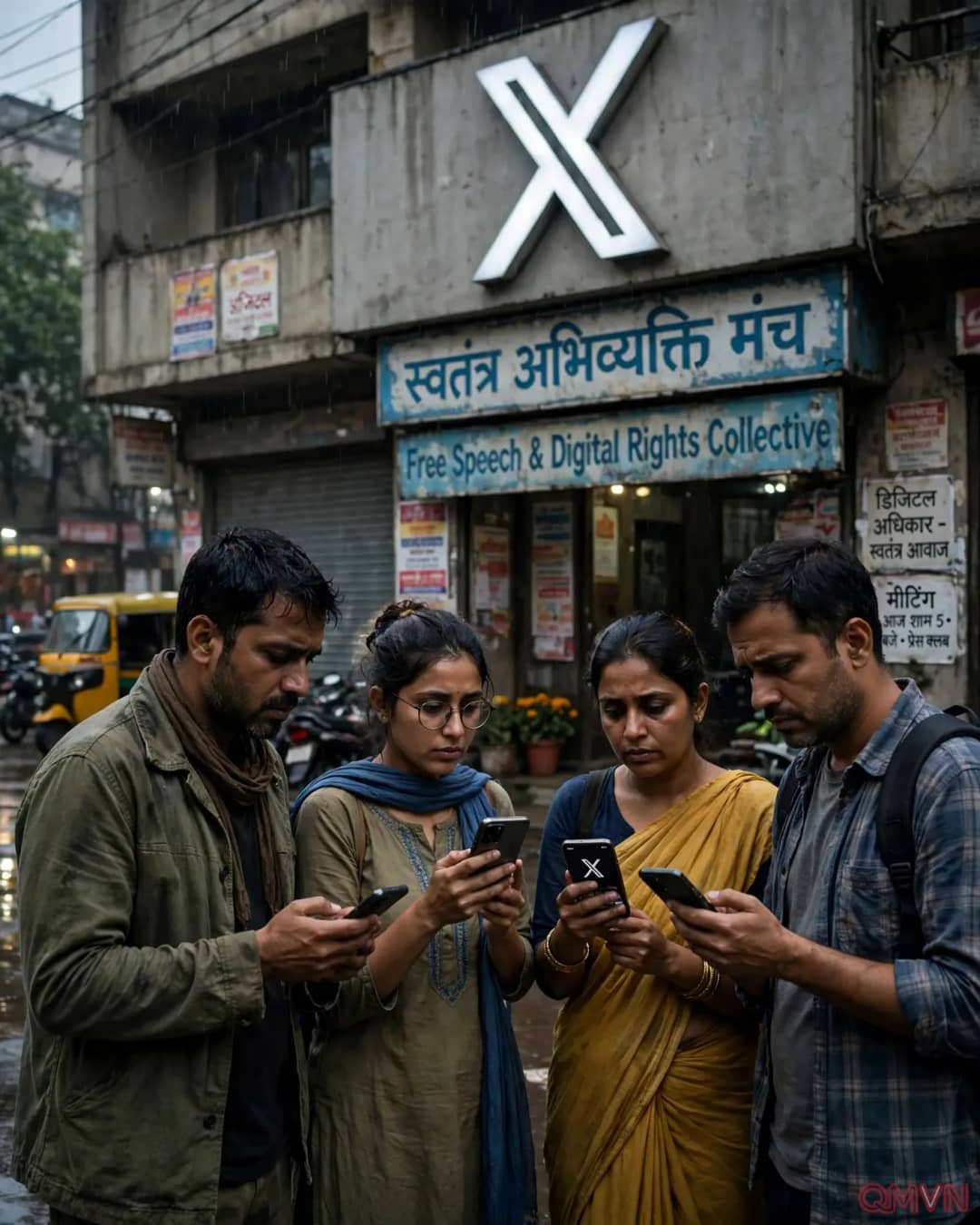
Two of India’s most influential digital freedom and civil liberties organizations, the Internet Freedom Foundation (IFF) and the Software Freedom Law Center (SFLC.in), confirmed on Wednesday, November 4, 2026, that federal police authorities in New Delhi have formally directed platform X to terminate their accounts, Reuters reported. The police orders alleged that the prominent advocacy groups engaged in criminal defamation against the Rashtriya Swayamsevak Sangh (RSS), the influential Hindu nationalist umbrella organization from which Prime Minister Narendra Modi’s ruling party emerged. Free-speech advocates, human rights organizations including Amnesty International, and national opposition lawmakers from India’s Congress party condemned the censorship directives as an authoritarian campaign to eliminate lawful digital dissent across the world’s most populous democracy with over 1.1 billion internet subscribers.
Edite QUANG MINH·2 min read · 3 min listen·4 November 2026, 09:45 EST·
AI-generated illustration
MAIN BODY
Delhi police takedown directives and the RSS defamation allegations
Advertisement300 × 250
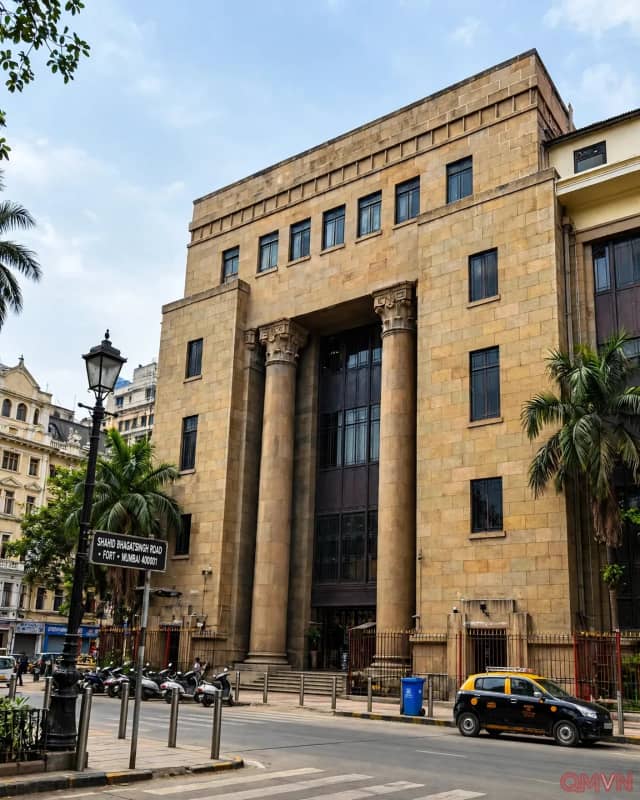
According to copies of the official law enforcement notices publicized by IFF on platform X, the Delhi Police—an agency operating under the direct jurisdiction of India’s central government—ordered the immediate removal of accounts belonging to both civil society organizations.
*"Such posts are defamatory towards the Rashtriya Swayamsevak Sangh." — Hargobinder Singh Dhaliwal, Special Commissioner of Police (Crime), Delhi Police*
The takedown directives centered on public posts regarding a purported legal notice received on October 29 in the name of the RSS, demanding that the rights groups halt their legal advocacy opposing executive internet blocking orders. Both IFF and SFLC.in utilize their accounts to document government censorship, publicize state blocking mandates, and file constitutional lawsuits challenging unlawful speech restrictions.
• Delhi Police sent formal notices directing social media platform X to take down the accounts of IFF and SFLC.in.
• Authorities alleged the advocacy groups defamed the RSS by publicizing notices regarding state censorship directives.
• Both organizations serve as primary public watchdogs documenting executive internet restrictions and digital crackdowns.
Civil society resistance, international backlash, and constitutional litigation threats
The takedown attempt ignited fierce condemnation across India’s political opposition and international civil liberties watchdogs, who characterized the action as a direct escalation against independent judicial oversight.
*"Those who expose censorship must not become its targets." — Official Public Statement by Amnesty International on Platform X*
SFLC.in condemned the police requests as unlawful and disproportionate, while the IFF formally stated it would challenge the executive demands in the High Court unless rescinded immediately. As of Wednesday afternoon, both accounts remained operational on platform X, while representatives for the Delhi Police, the RSS, and platform X declined to provide official commentary.
• Amnesty International issued a public rebuke, asserting that anti-censorship watchdogs must not be targeted by law enforcement.
• The Internet Freedom Foundation pledged to file judicial challenges in federal court if the orders are not withdrawn.
• Both advocacy accounts remained active as platform X evaluated compliance against domestic constitutional standards.
EVENT BACKGROUND
This major freedom of expression and digital rights confrontation unfolded on November 4, 2026, across New Delhi and Bengaluru, spotlighting chronic frictions between state authorities and independent civil society across India’s digital ecosystem. Boasting over 1.1 billion internet subscribers, India is the world’s largest connected digital society, yet federal ministries frequently utilize statutory powers under Section 69A of the Information Technology Act to issue confidential blocking orders against social media posts, activist accounts, and independent media reporting on sensitive domestic topics. The Internet Freedom Foundation (IFF) and SFLC.in have operated as the principal legal defenders of free speech, systematically tracking state blocking directives and challenging executive overreach before the Supreme Court and High Courts. The structural crux of the controversy lies in the collision between the central government’s determination to shield the ideological foundations of the Rashtriya Swayamsevak Sangh (RSS)—the ideological parent of the governing Bharatiya Janata Party (BJP)—from critical civic scrutiny, versus the constitutionally protected rights to free expression and transparent legal oversight; attempting to deplatform the very legal groups that audit internet censorship marks a severe escalation in state digital policing.
KEY LESSONS LEARNED
• Public transparency regarding state blocking orders is indispensable for enabling constitutional challenges against executive overreach.
• Weaponizing defamation statutes on behalf of politically aligned organizations threatens to silence independent civil society watchdogs.
• Independent judicial remedies and public interest litigation remain the essential defensive bulwark against arbitrary digital deplatforming.
Subscribe to the QMVN newsletter
A daily morning digest - only stories worth reading, no spam.