MAIN CONTENT
How one router turned a modernization debate into an emergency
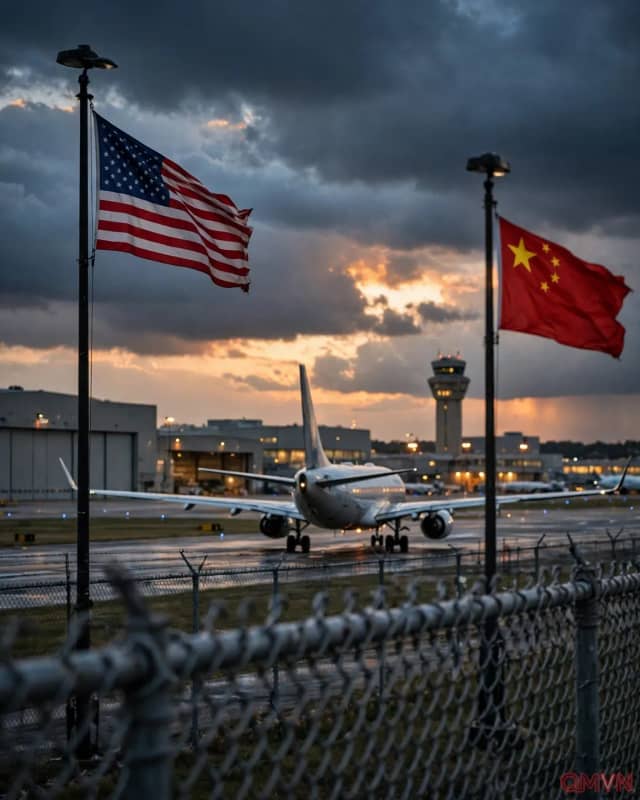
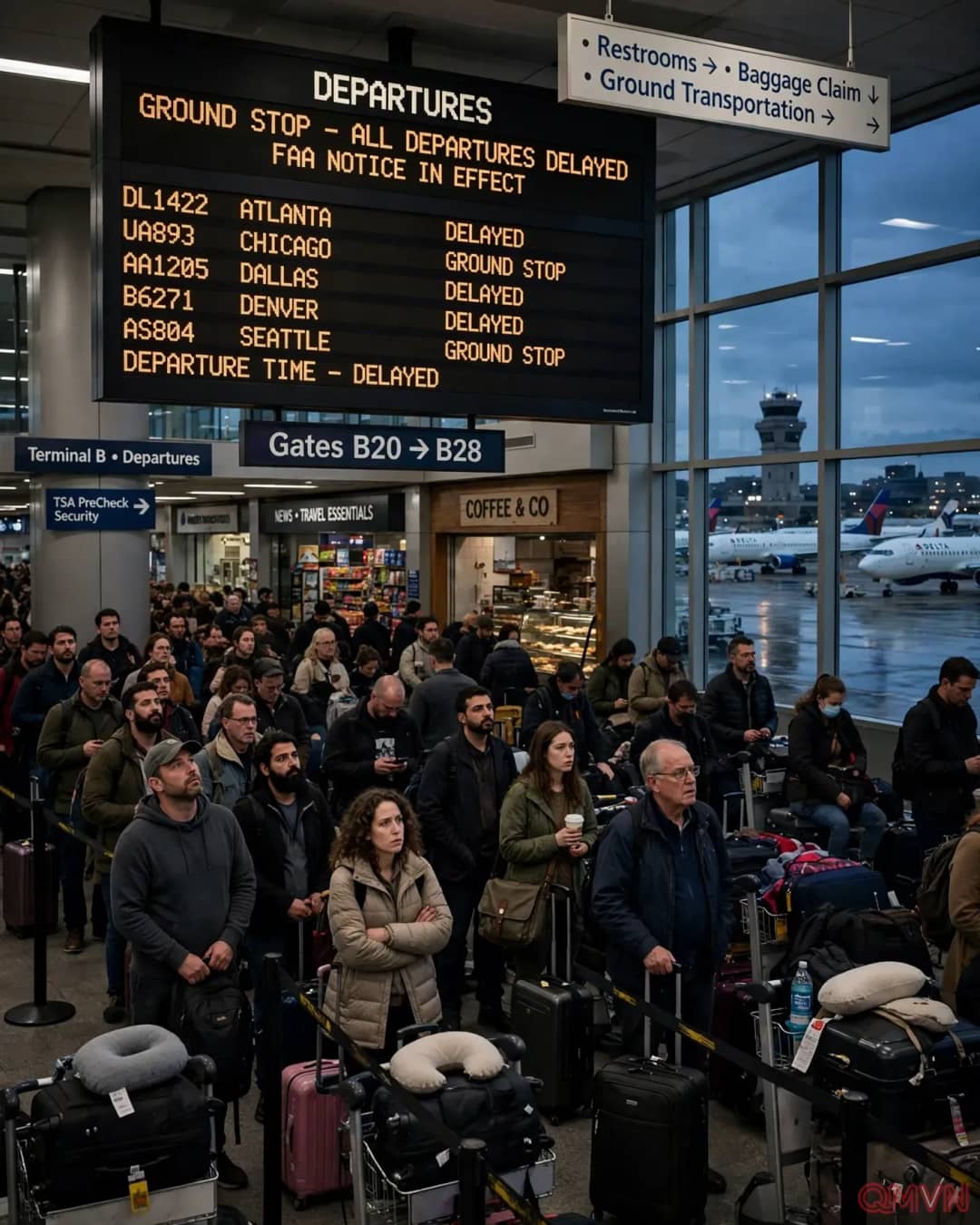
On November 13, a telecommunications failure associated with a router prompted U.S. authorities to halt departures nationwide. Reuters reported that the resulting disruption was linked to more than 18,000 flight cancellations. The consequences stretched beyond airports: crews and aircraft were stranded, travelers missed connections and airlines faced the costly work of rebuilding schedules. The failure exposed how interconnected air traffic operations have become.
Before the disruption, Duffy had sought an additional $30 billion, including $18 billion for airports. The administration then expanded its request to roughly $50 billion. The Transportation Department subsequently detailed a $50.1 billion proposal, with about $10.1 billion for air traffic control modernization. The abrupt escalation made the plan harder to sell, even to legislators who agree that aging systems require substantial investment.
Agreement on safety does not mean agreement on the bill
After meeting Republican senators on November 17, Duffy said he would accept whatever Congress could provide and tackle the highest priorities first. Senator John Kennedy objected to using such a large package to subsidize local airports, while Rand Paul questioned the jump in cost. Senator Rick Scott argued that another $10 billion could address pressing air traffic control needs. Their objections were directed less at the case for safety than at the scope and credibility of the request.