MAIN CONTENT
One table, three different strategic calculations
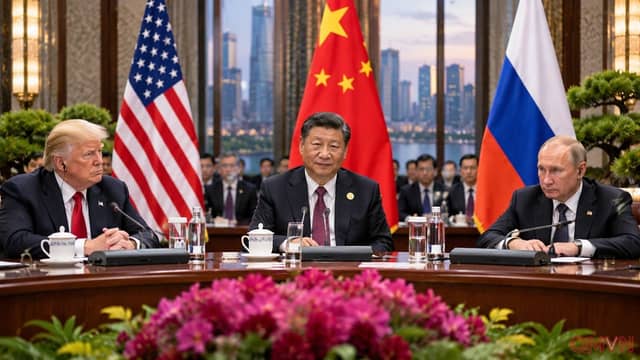
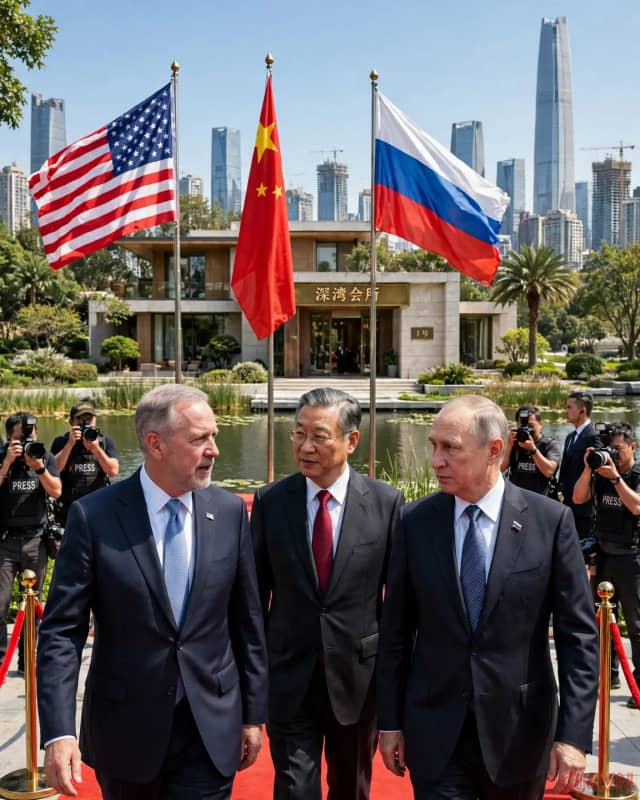
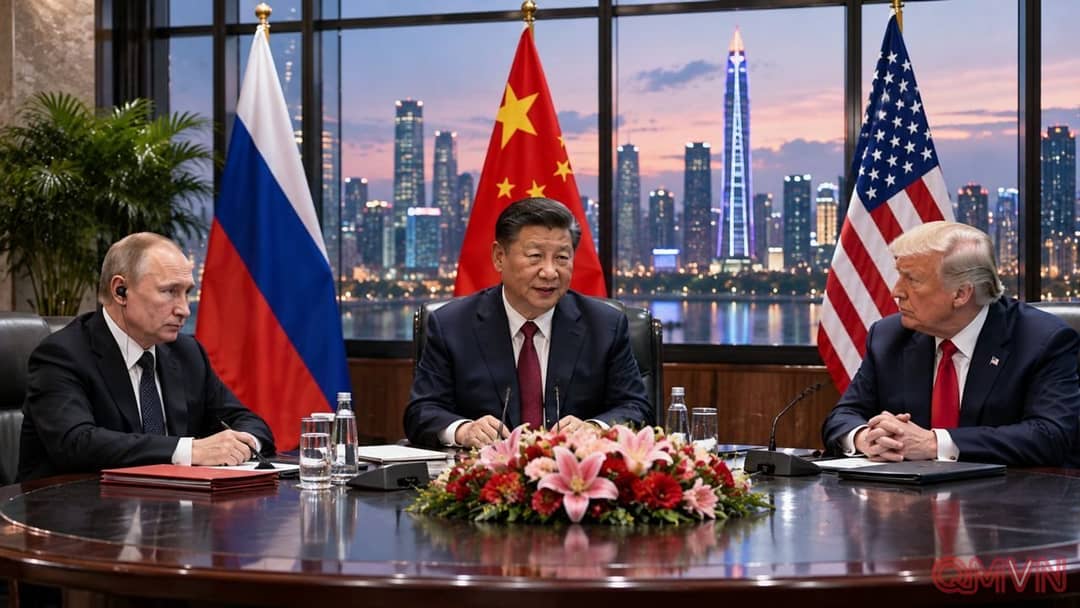
The presidents met at Kylin Villa on the sidelines of the APEC gathering in Shenzhen. For Trump, a conversation with his two main strategic rivals offered an opportunity to demonstrate that Washington could pursue direct diplomacy even amid sharp disagreements. For Xi, hosting the encounter showcased China's claim to a central role in global governance. For Putin, appearing alongside both leaders projected the image of Russia as a power that cannot be excluded from high-level decisions.
Bilateral conversations preceded the trilateral meeting. Trump used notably warm language about Putin; Chinese statements emphasized strategic stability, while Moscow highlighted overlapping interests in resolving regional conflicts. The language could create room for further engagement, but it did not resolve differences concerning Ukraine, trade, nuclear deterrence and East Asian security. Personal rapport, however photogenic, is neither a treaty nor evidence that opposing national interests have disappeared.
Reuters and AP reported that the talks yielded agreement on general principles but no major negotiated breakthrough. That distinction helps explain why the occasion was welcomed as a rare diplomatic opening yet questioned as an exercise in symbolism. Meetings between powerful states can lower the risk of miscalculation, but their wider value depends on follow-through and on whether affected countries have a voice in the decisions.