MAIN ARTICLE
Negotiating momentum meets diplomatic caution
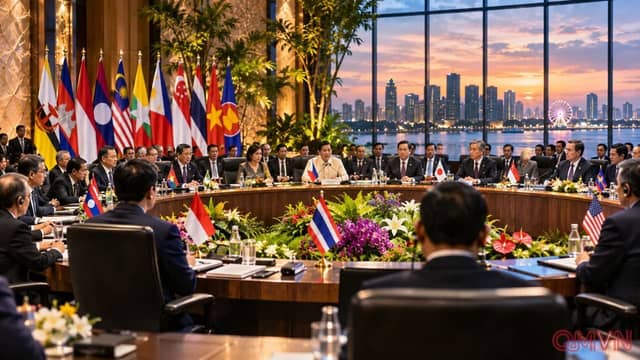
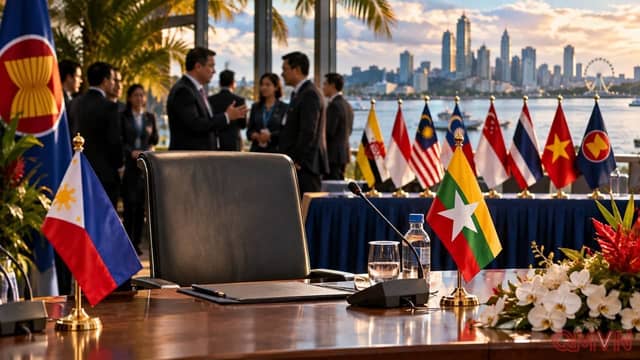
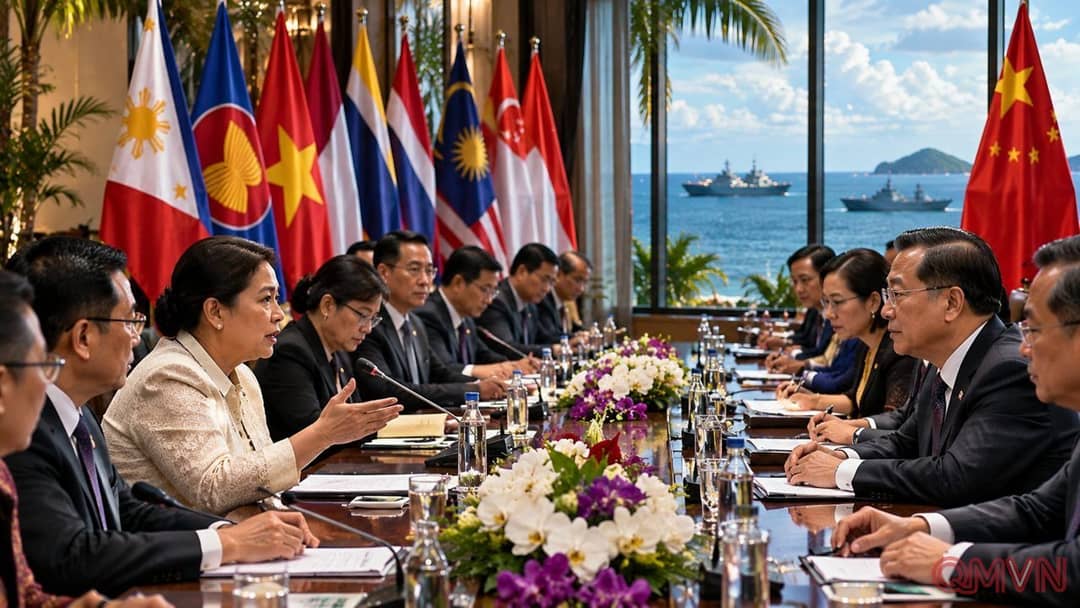
Lazaro’s comments offer a constructive signal ahead of the Manila summit. According to NHK, she emphasized the importance of completing negotiations and hoped the parties could issue a statement in December. The Philippine government had previously reported monthly negotiating meetings during 2026, reflecting an effort to accelerate the long-running process. At ASEAN foreign ministers’ talks in July, Manila publicly described a year-end conclusion as a shared goal.
But a diplomatic target is not the same as agreement on every substantive provision. On November 13, Philippine officials told GMA News that negotiations were continuing and that any code needed to be meaningful enough to shape conduct at sea. The distinction matters: a statement welcoming progress may be politically useful, while a completed, effective instrument would have to answer much harder questions about obligations, compliance and the management of incidents.
Why the final provisions matter
A code could create channels for communication, encourage restraint and reduce the danger that an encounter at sea becomes a regional crisis. Yet negotiators must reconcile different views about its geographical reach, the meaning of sensitive terms and whether its commitments would carry legal force.