The ruling: no standing, and no trade-off with ballot secrecy
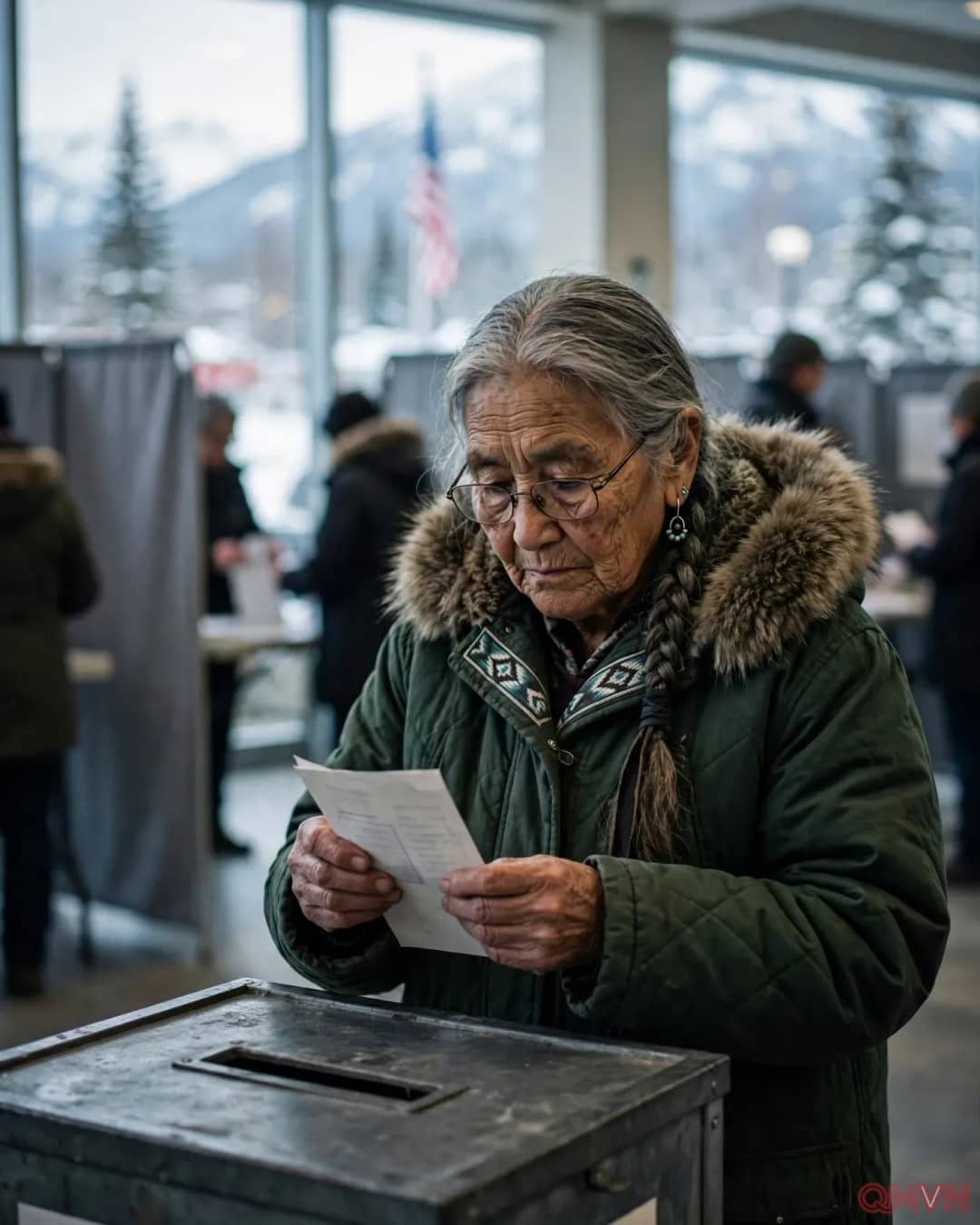
On November 1, Judge Sharon Gleason dismissed the lawsuit the Justice Department had filed on October 22. In her view, the federal government lacked the legal standing needed to bring the case. More importantly, the proposal to segregate ballots cast for Daniel J. Sullivan and then conduct an unspecified “investigation” would violate the right of Alaskans to a secret ballot. In her decision, she stressed that the government had offered no workable plan for doing so while keeping votes confidential.
Alaska’s Division of Elections, run by the state’s Republican administration, welcomed the ruling, saying it rejected a last-minute attempt to intervene and allowed the state to focus on delivering a fair vote. The American Civil Liberties Union, which joined the case in support of Alaska, said the court had stopped an effort to discard election results before a single ballot was counted.
“This administration keeps trying to tilt the midterms, and today it lost again.” — American Civil Liberties Union (ACLU)
Two near-identical names on one ballot
Alaska’s Senate race is seen as one of the contests that will decide whether Republicans keep their majority; Democrats need a net gain of at least four seats. On the ballot, voters will find four candidates, two of them named Sullivan: