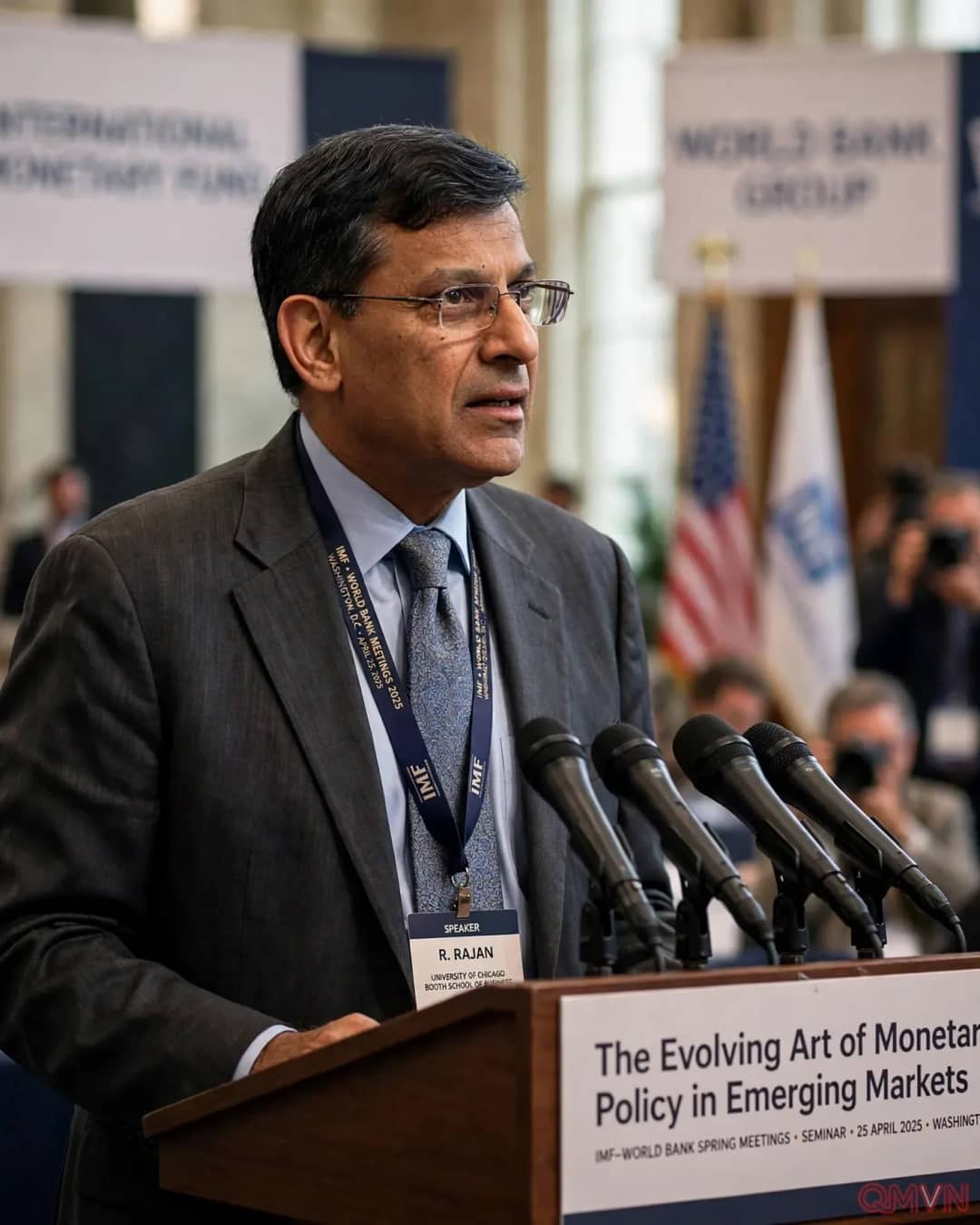
Advising against panic and embracing currency competitiveness
Speaking in an interview with the Reuters Global Markets Forum on Tuesday afternoon, October 27, 2026, former central bank governor Raghuram Rajan emphasized that the immediate reaction of monetary authorities to current foreign exchange volatility should be to remain grounded and avoid panic.
Rajan, presently serving as the Katherine Dusak Miller Distinguished Service Professor of Finance at the University of Chicago Booth School of Business, indicated that elevated crude benchmarks inevitably widen current account deficits.
However, he argued that a weaker exchange rate provides vital structural relief for emerging manufacturing exporters.
Some currency depreciation is not necessarily a bad thing in this kind of environment. It allows you to stabilise your exports (and) makes your goods more competitive.
Foreign reserve preservation and catastrophic Middle East war risks
The former central banker expressed deep reservations regarding heavy state market interventions that risk exhausting hard-won foreign capital reserves.
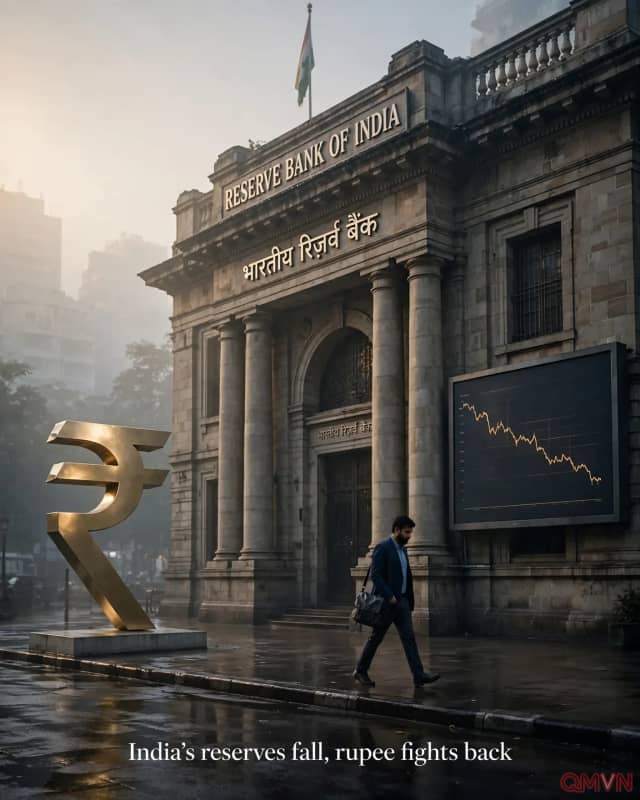
The Indian rupee has shed roughly 6% of its valuation against the US dollar year-to-date in 2026, languishing as the second-worst performing currency across Asia after plumbing a record low of 96.96 in May.
India has already deployed approximately half of the more than $140 billion procured through special emergency measures earlier this year—including Foreign Currency Non-Resident FCNR(B) deposits—to prop up the rupee and absorb surplus domestic banking liquidity.
Current RBI Governor Sanjay Malhotra recently refused to rule out direct monetary policy tightening measures to establish an artificial floor for the rupee.
Rising global energy costs, surging US Treasury bond yields, and uninterrupted capital liquidations by foreign institutional investors (FII) continue to mount severe imported inflationary pressures.
Rajan warned that if military hostilities across the Middle East intensify and directly impair Gulf energy shipping infrastructure, oil-dependent emerging economies would endure unprecedented economic shocks.
Rather than attempting to defy global macro fundamentals, India must preserve foreign exchange liquidity to navigate prospective structural commodity disruptions.
We just spent a lot of money trying to get the FCNR(B) money in. It would be a shame if that was quickly spent in defending a level, which historically we haven't done.