MAIN CONTENT
From political refuge to policy stress test
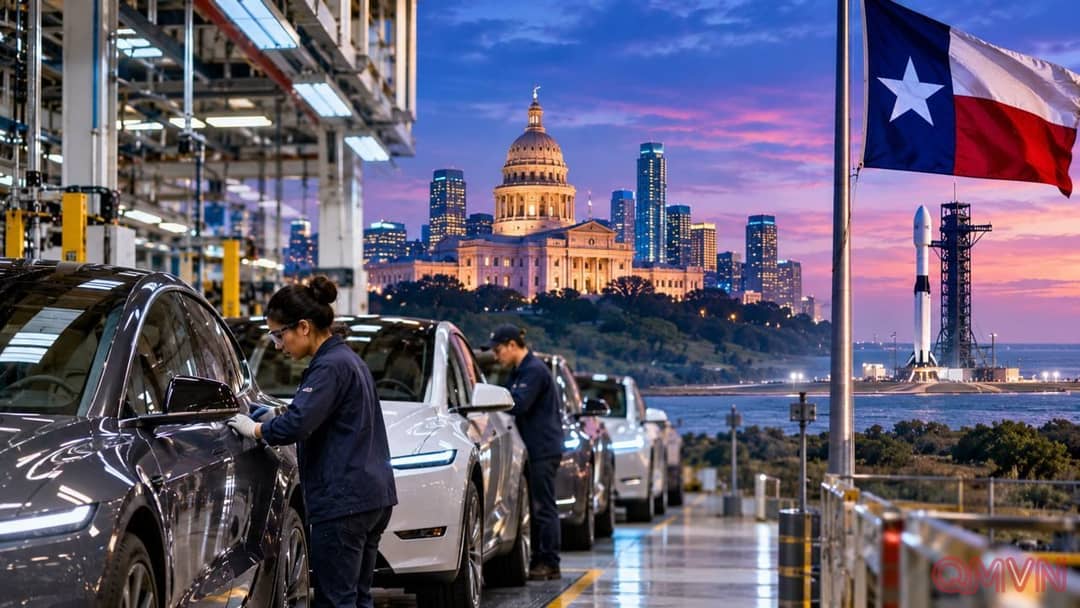
For years Texas offered Musk a tax, regulatory and political environment that he regarded as friendlier than California’s. Tesla moved its headquarters to Austin and developed a major electric-vehicle factory there; SpaceX established a launch and engineering presence on the southern coast. Concentrated production facilities, suppliers and jobs give both companies substantial influence locally, but also expose them to decisions made in the state capital.
The November 3 election changed the governing equation. Reuters reported Hinojosa’s victory over Abbott as part of a broad national Democratic advance. Texas, however, did not become politically uniform overnight. CBS Texas reported that Republicans retained a 19–12 majority in the state Senate, a constraint on sweeping legislative changes. The result is a more complicated balance of power than a simple change of party labels suggests.
Factories, rocket launches and regulatory questions
Tesla could face closer scrutiny of factory permits, water use, emissions and infrastructure costs, particularly if the incoming administration responds to residents worried about industrial growth and electricity demand. Such scrutiny is a possible policy direction, not evidence that existing approvals have been revoked.