When the door closed
According to Reuters, when Dr Patrick LaRochelle realised in May that he had been exposed to Ebola in a mining town in Congo, he expected to be flown home for treatment, as had happened in 2018. At least three of the 13 state-of-the-art US biocontainment centres had agreed to treat him and his infected colleague Peter Stafford. Then the plan changed.
LaRochelle was taken to Prague in the Czech Republic and did not contract the disease; Stafford was treated at Berlin’s Charité hospital and recovered. Both thanked the government for its help but were saddened not to go home. Stafford said he was disappointed to feel his home country was “rejecting” him.
Contested measures
Washington’s response strategy has been reflected in several decisions:
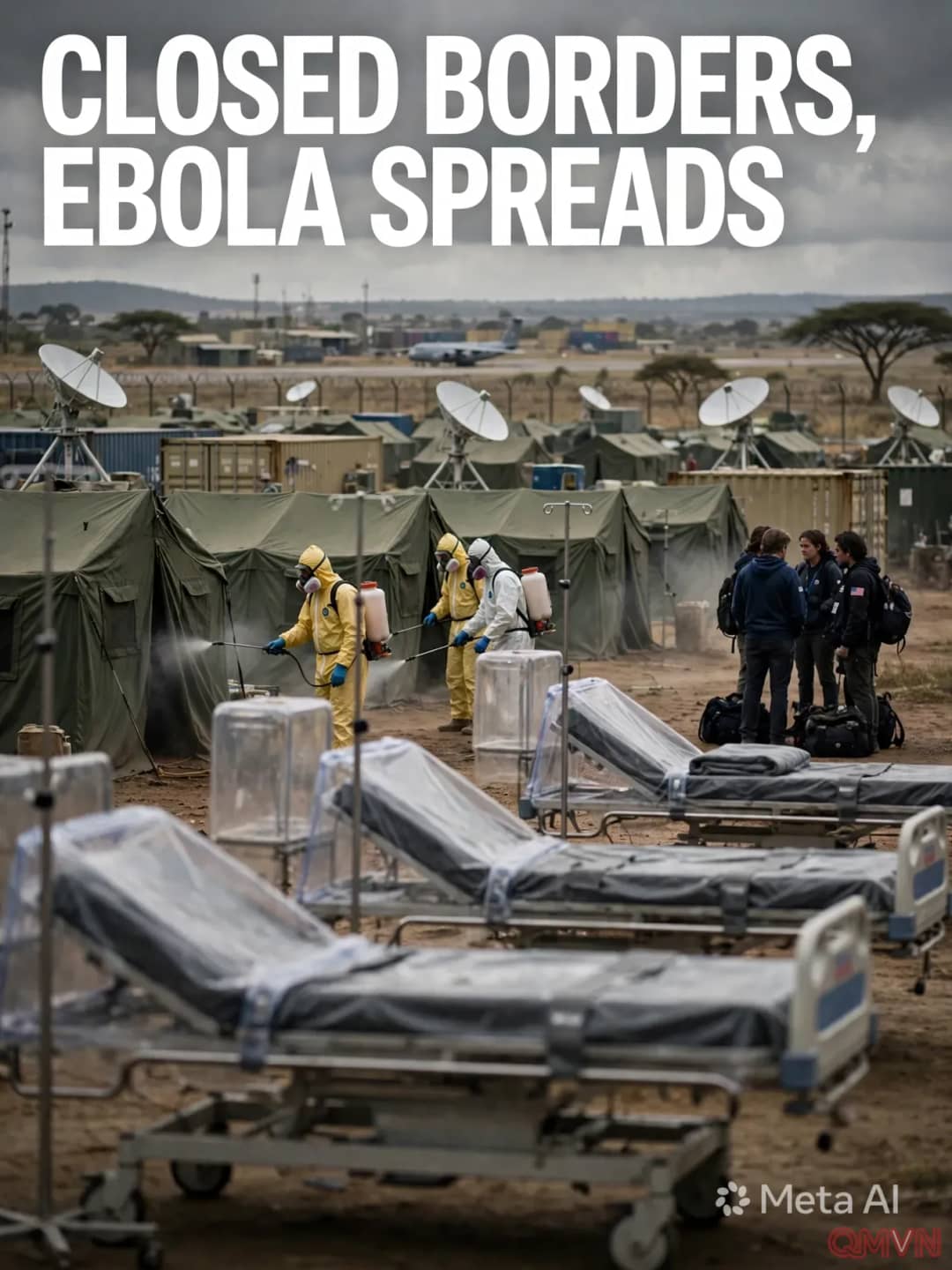
- A 50-bed quarantine camp for US citizens at an air force base in Kenya, built for an estimated $70 million, which has so far housed only seven people.
- Since July, a “do-not-board” order for citizens who have been anywhere in Congo within 21 days.
- The State Department has allocated $780 million to the Ebola response, the largest contribution by an outside country, mostly to NGOs.
According to Samaritan’s Purse, Americans once made up 80% of staff at its Ebola treatment centres in Congo; now it is about 20%, and the cost of deploying medical staff has more than doubled.