MAIN CONTENT
A security premium returns to Hormuz
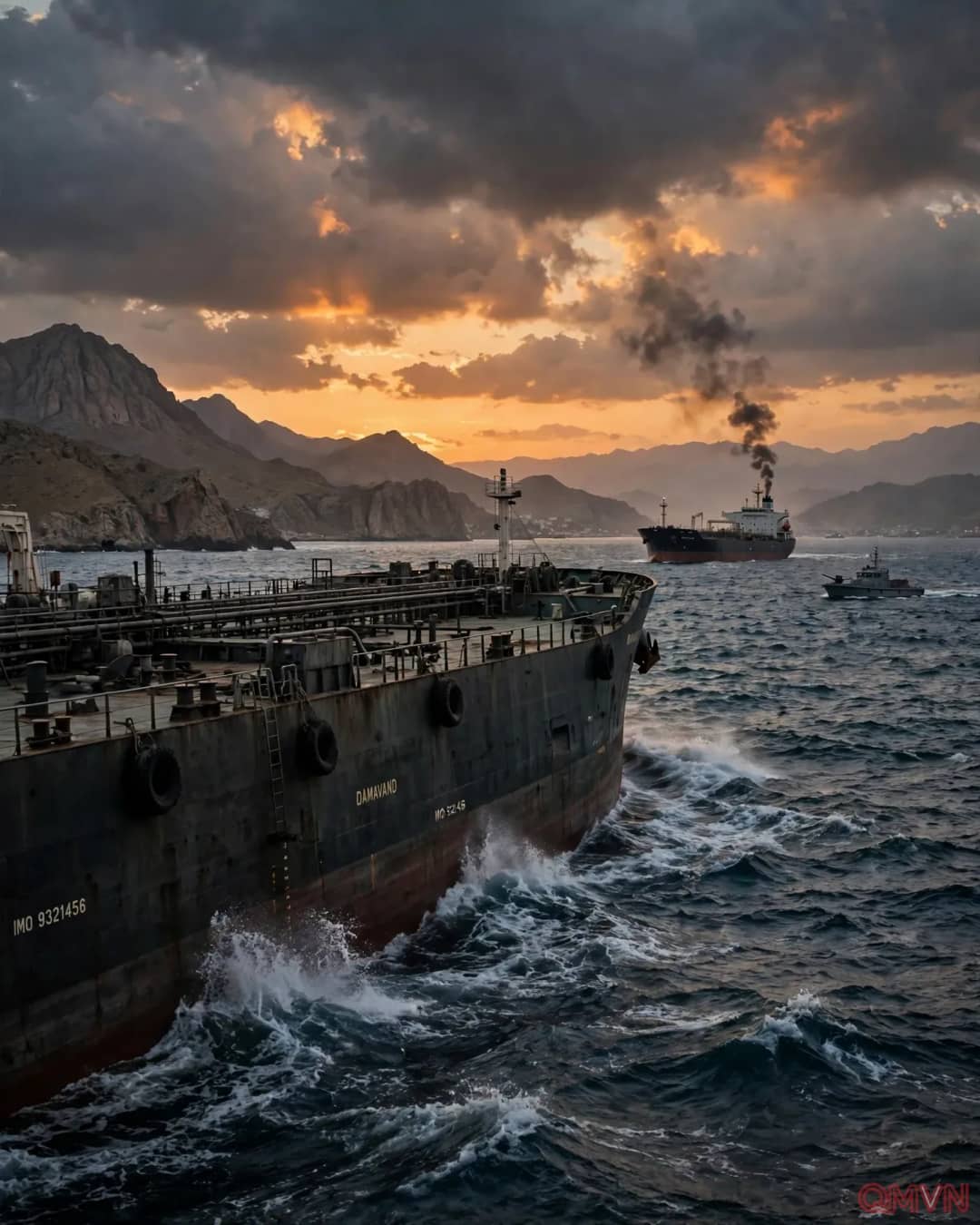
Brent futures rose 70 cents to settle at $93.14 a barrel on Tuesday, while WTI gained 29 cents to $86.01. These were modest moves beside the swings seen during the conflict, yet they illustrated how quickly maritime danger can alter trading sentiment. Reuters reported that a vessel in the Strait of Hormuz had been hit twice and its crew was unaccounted for when the account was published. The report did not establish the fate of those aboard.
The danger extended beyond merchant shipping. Iranian drones targeted a U.S. military radar installation in Bahrain; Bahrain said its defenses intercepted the attack. U.S. forces subsequently struck a missile-launch site on Iran’s Qeshm Island. Reuters and the Associated Press reported the exchanges, while the precise damage and operational consequences remained subject to competing accounts and further verification.
To oil traders, an attack is not merely a single lost cargo or damaged vessel. Threats along a crucial passage can raise insurance premiums, make shipowners demand compensation and disrupt schedules even when oil production itself continues. Such costs can filter through refiners and transport networks to households and businesses far from the fighting.