MAIN ARTICLE
When a freezer becomes an operational emergency
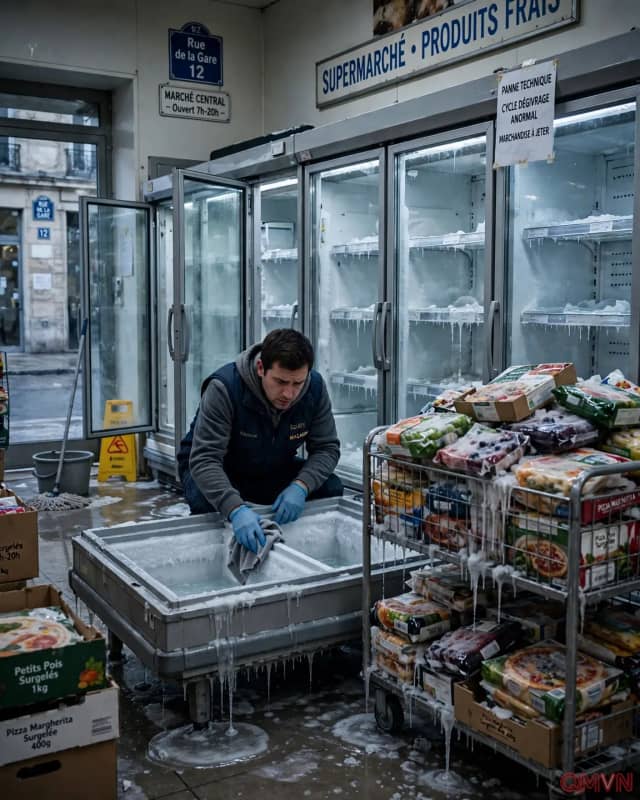
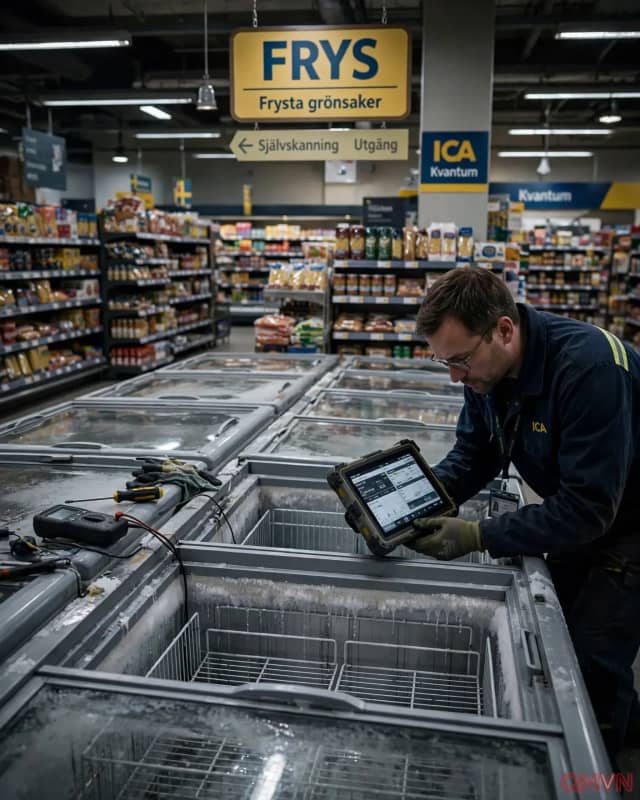
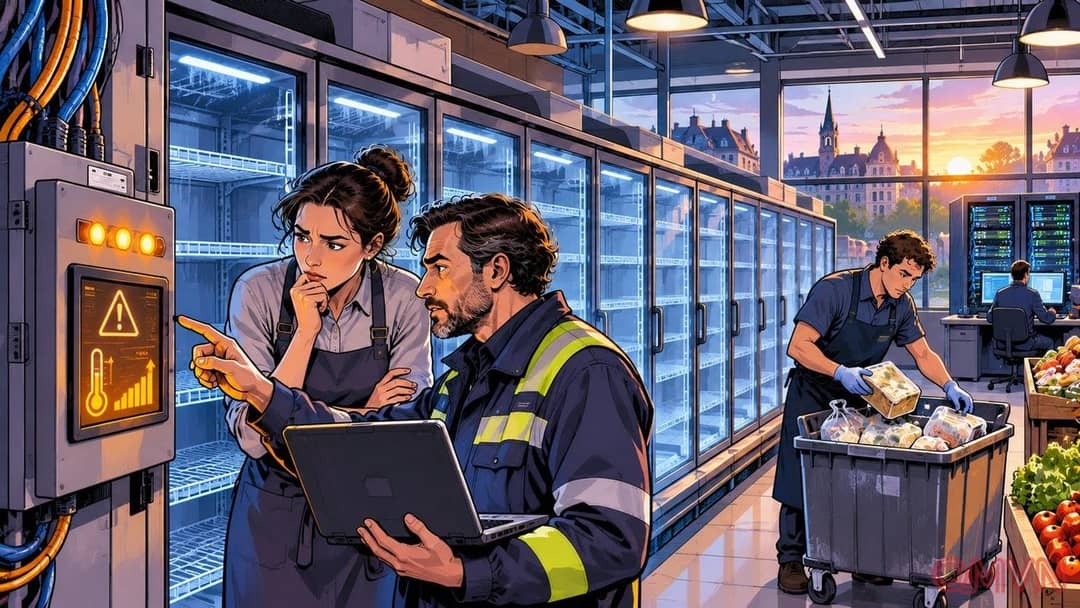
On November 2, staff at grocery outlets across Europe discovered refrigerators and freezers warming unexpectedly. Some businesses had to move chilled goods, while others disposed of stock whose safe storage could no longer be guaranteed. Reuters initially counted incidents affecting eight countries; later reporting identified additional affected jurisdictions as more companies came forward. Those rolling counts should not be mistaken for a final tally. Many stores continued trading, but the immediate cost of assessing stock, cleaning equipment and restoring reliable cooling was substantial.
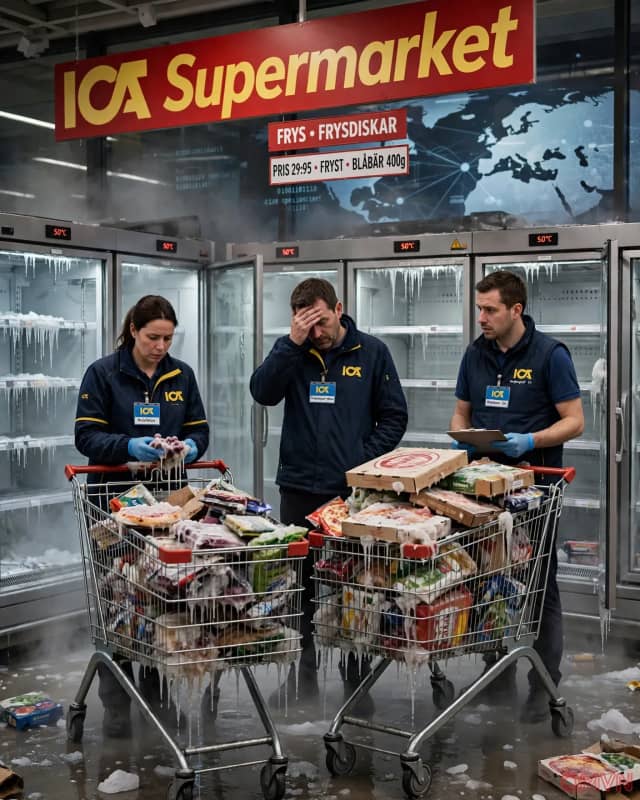
Unlike a conventional breach centered on stolen passwords or customer databases, this attack crossed into the physical world. A remotely changed setting can expose dairy products, meat or frozen foods to unsafe conditions within hours. Workers then have to verify temperature records and decide which products can remain on shelves. At one Swedish ICA store, an employee described freezer settings reaching 50 degrees Celsius. That figure documents a reported incident, not a temperature recorded at every affected shop.