MAIN REPORT
Two rivals and competing visions of Brazil
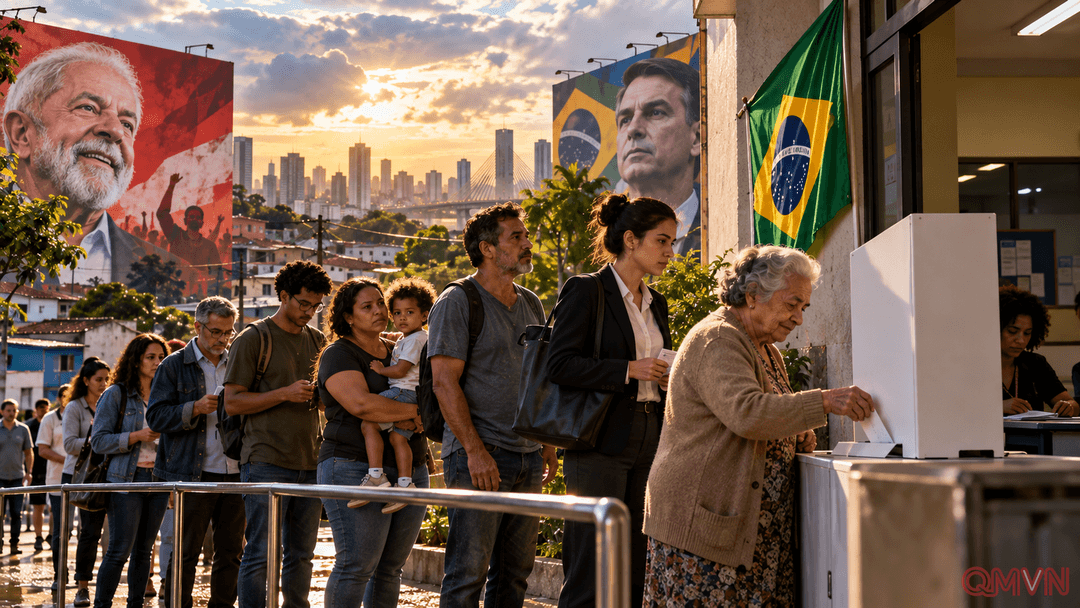
At 80, Lula is seeking a fourth nonconsecutive presidential term. His political message combines the legacy of poverty reduction during earlier administrations with an insistence that Brazil retain room to negotiate with multiple global powers, especially China, its biggest export market. Flávio Bolsonaro offers a conservative alternative built on his father’s political movement, advocating closer engagement with Washington on trade and security. The choice is therefore not simply one between left and right; it is a debate about how Latin America’s largest economy should conduct itself in a changing international order.
One source of friction has been President Donald Trump’s use of tariffs against Brazilian products, at times linked by Washington to the prosecution of former president Jair Bolsonaro. Although some measures were subsequently withdrawn, new trade tensions resurfaced. Lula responded by invoking national sovereignty and resistance to foreign pressure. Flávio has emphasized his connections with US conservatives and allies elsewhere in the region. Diplomatic symbolism can seem distant from voters’ daily struggles, but export markets, investment decisions and employment connect foreign policy to kitchen-table economics.