Spreading Strikes in Industrial Hubs and the Crisis of Working-Class Subsistence
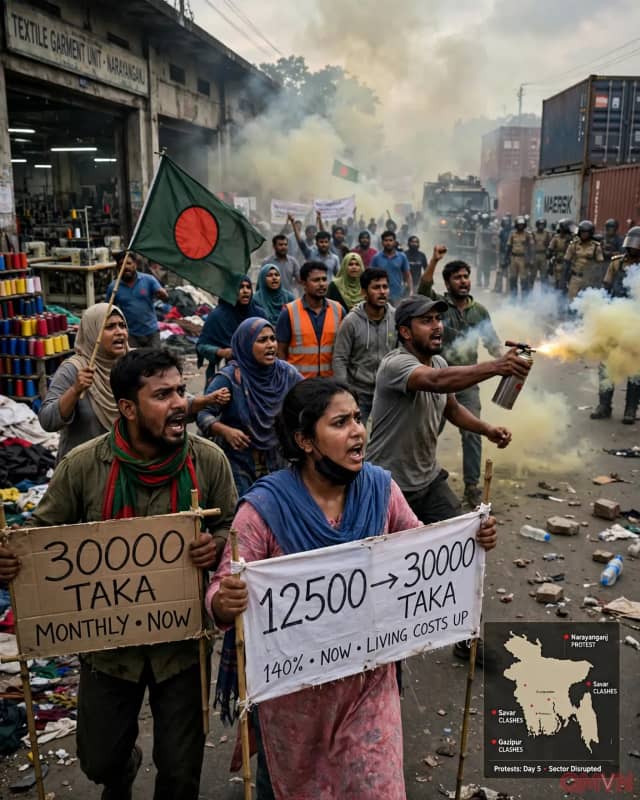
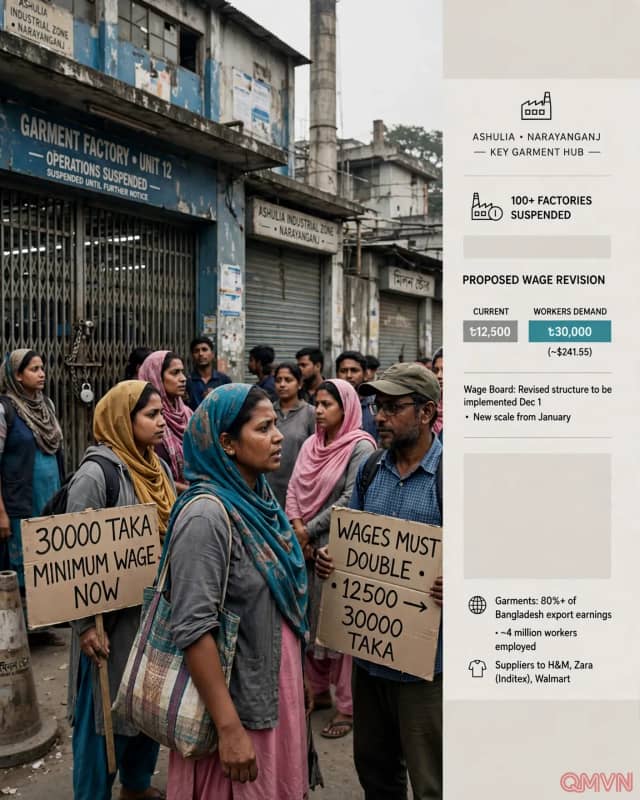
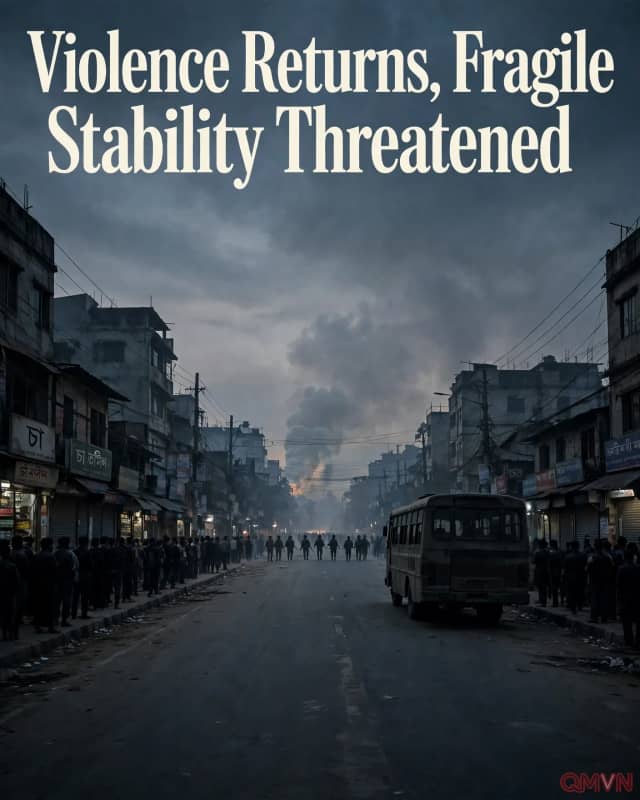
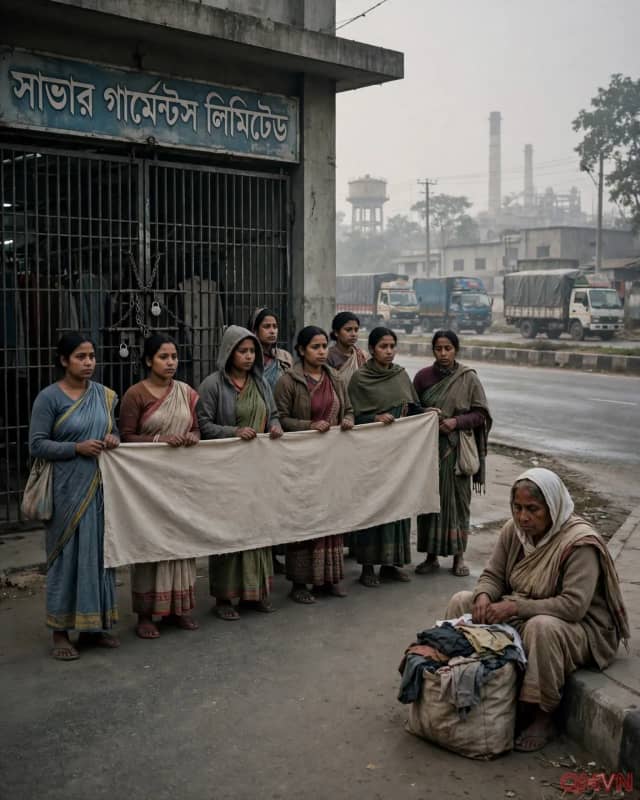
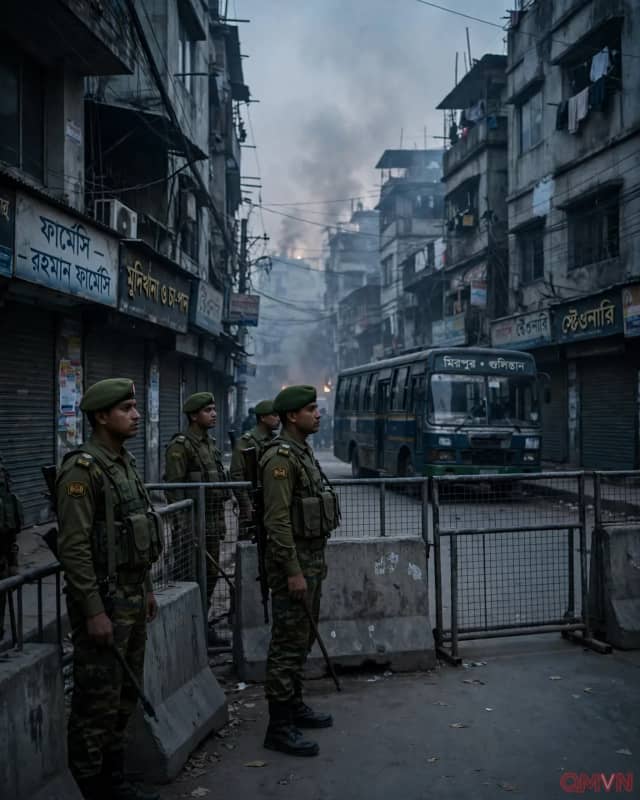
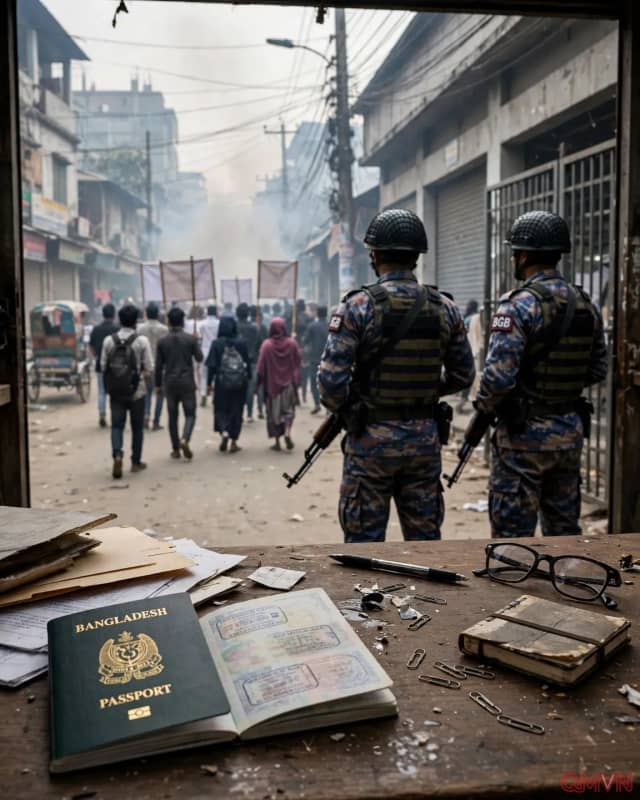
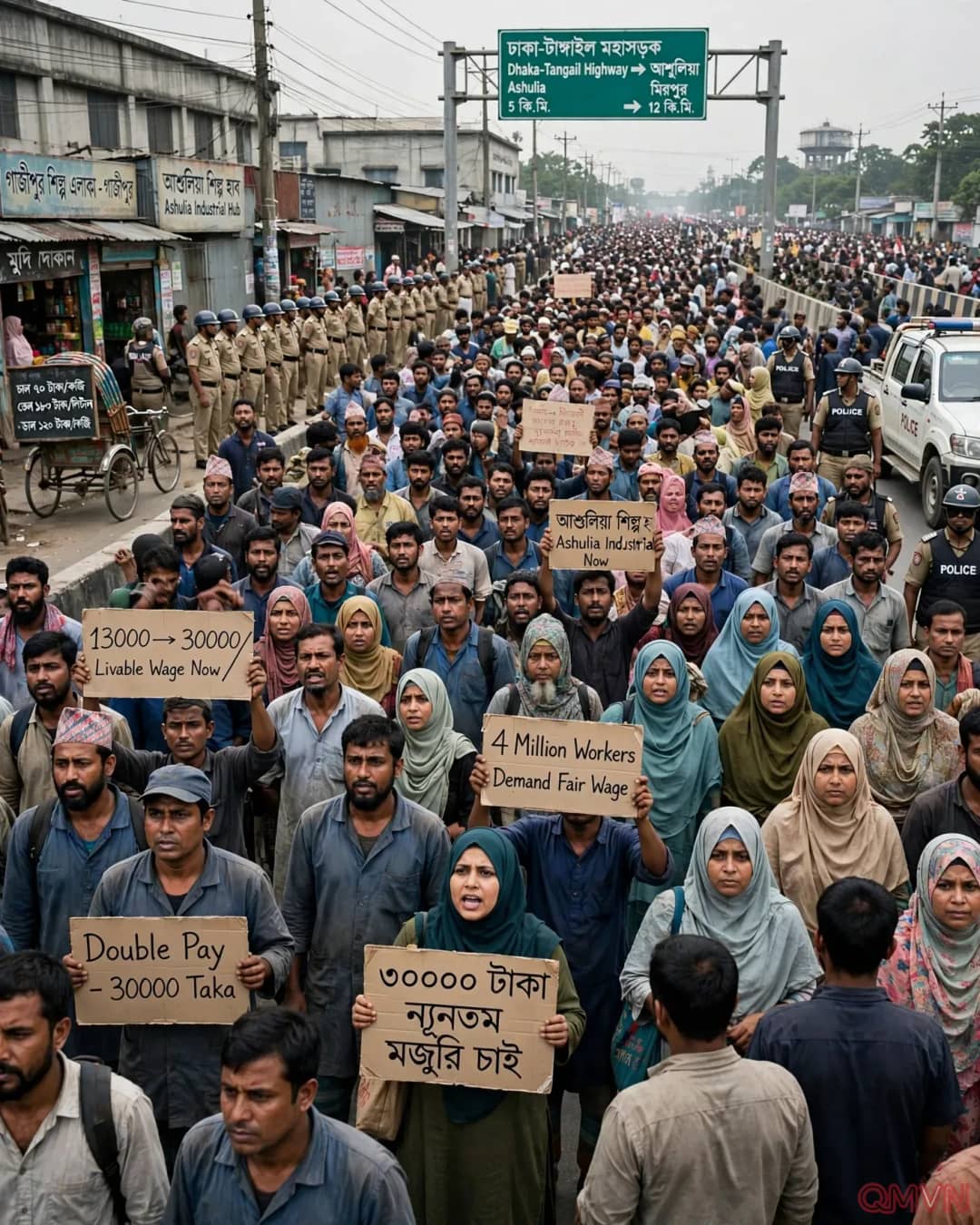
The labor unrest engulfing industrial districts outside Dhaka reached a boiling point as machine operators from at least 529 factories walked off production lines across Savar, Ashulia, Jirani, and Gazipur. Confronted by severe inflation that has systematically decimated purchasing power, workers declared that their current minimum wage of approximately 13,000 taka (US$105) per month is utterly inadequate to afford basic foodstuffs, cooking gas, and cramped single-room shelter. Protesters barricaded the strategic Dhaka-Tangail highway and damaged vehicles, prompting police to deploy stun grenades and tear gas to disperse crowds. While Home Minister Salahuddin Ahmed warned that unlawful disruptions would be met with an iron hand, he also relayed instructions from Prime Minister Tarique Rahman directing officials to ensure workers’ legitimate welfare while maintaining export productivity.
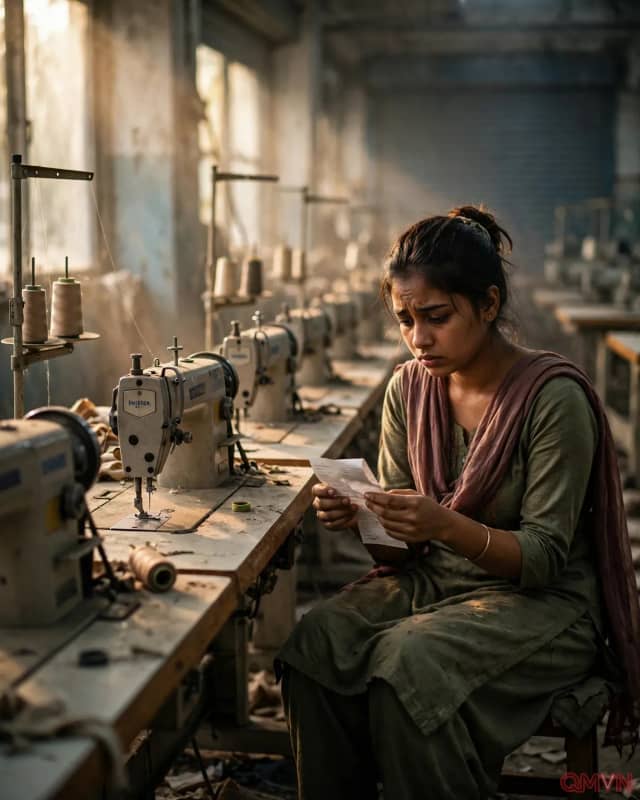
" We keep the wheels of the economy turning, they must listen to us " Sharmin
Humanitarian Agony in Overcrowded Slums and the Moral Responsibility of Global Brands
The quintessential moral tragedy of the Bangladeshi garment crisis does not reside in export delivery delays, but in the harrowing daily existence of the four million laborers sustaining the global fast-fashion empire. When tear gas canisters fired by security forces drift into packed residential compounds, choking innocent children and elderly relatives, the vulnerability of marginalized laborers is laid bare.