Suspension of Rescue Missions and Raw Bereavement
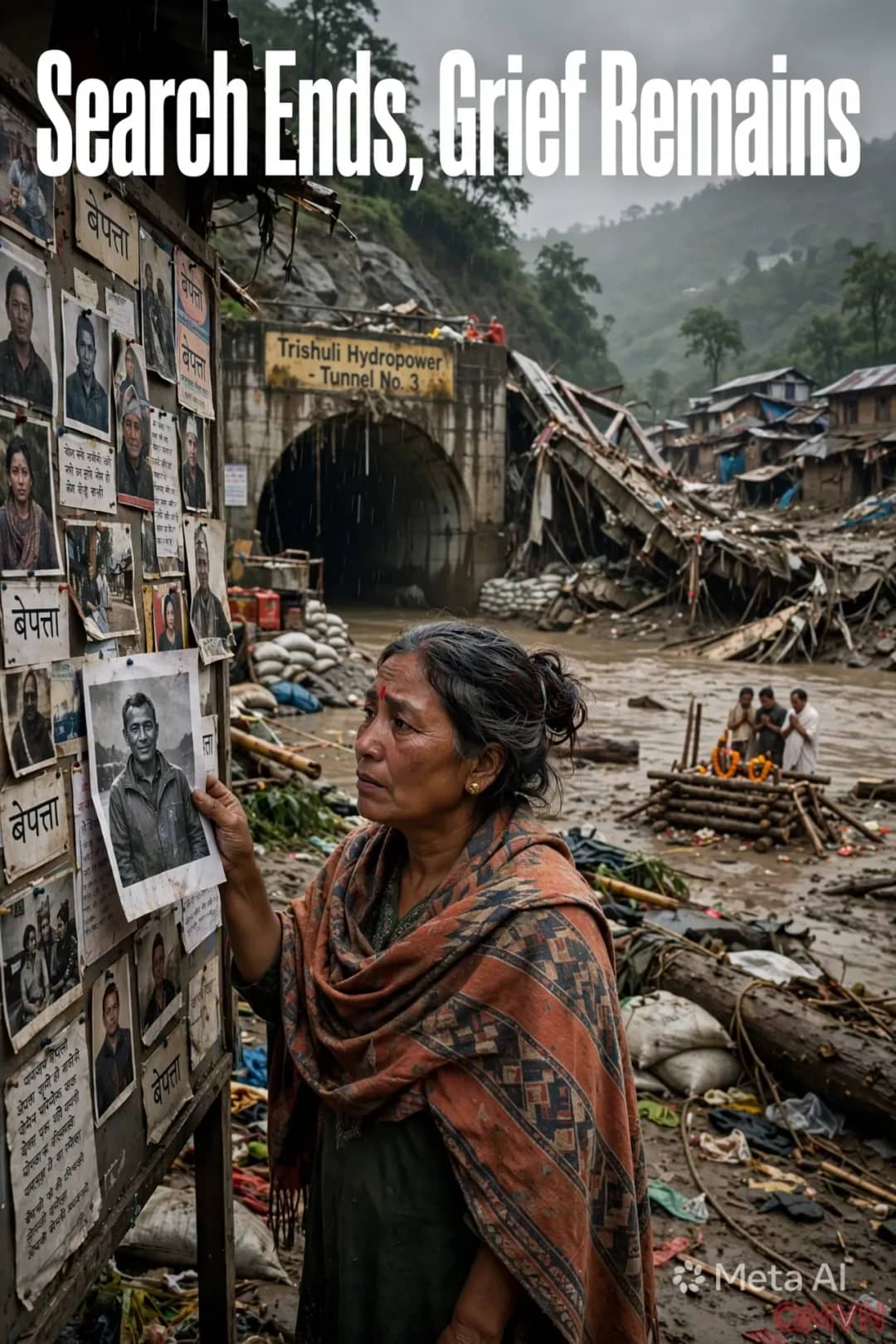
Throughout the Kathmandu Valley and rugged river communities bordering the Trishuli hydropower basin, the government's formal withdrawal of search crews brought profound sorrow to thousands of families. Although miraculous rescues of two Nepalese laborers and a Chinese engineer from a flooded hydropower tunnel in early September temporarily buoyed public morale, chances of uncovering survivors have practically evaporated.
Grieving relatives gathered in public vigils and protests across Kathmandu, condemning the administration for abandoning physical excavation while thousands of victims remain entombed beneath deep silt deposits:
I am so angry at the government for giving up on search and rescue with thousands of people still missing. I just don't understand how they can do that when we still have hope left that our loved one can still be found.
Legal Paralyzation and the Battle for Official Death Certificates
In contrast to those protesting the cessation of operations, many families have accepted the finality of their loss, performing symbolic Hindu cremations without physical remains to grant spiritual liberation to the deceased. However, these households face severe administrative paralysis due to state reluctance to certify deaths.