MAIN STORY
A broader perimeter around strategic investment
The US Treasury described its October 22 notice as part of implementing the Comprehensive Outbound Investment National Security Act, known as COINS, enacted with the fiscal 2026 defense authorization legislation. Rather than prohibiting all US investment in China, the framework differentiates transactions that may be banned from those that must be reported. Coverage depends on the technology, the foreign counterparty and the precise nature of the investment.
The sectors encompass semiconductors and microelectronics, artificial intelligence, quantum information technology, high-performance computing, hypersonic systems and, in the proposal, biotechnology. Final obligations will depend on technical thresholds, exceptions and diligence standards yet to be settled. Multinational funds and businesses may need to examine ownership chains and operational relationships more closely before allocating capital.
Beijing objects but leaves its response undefined
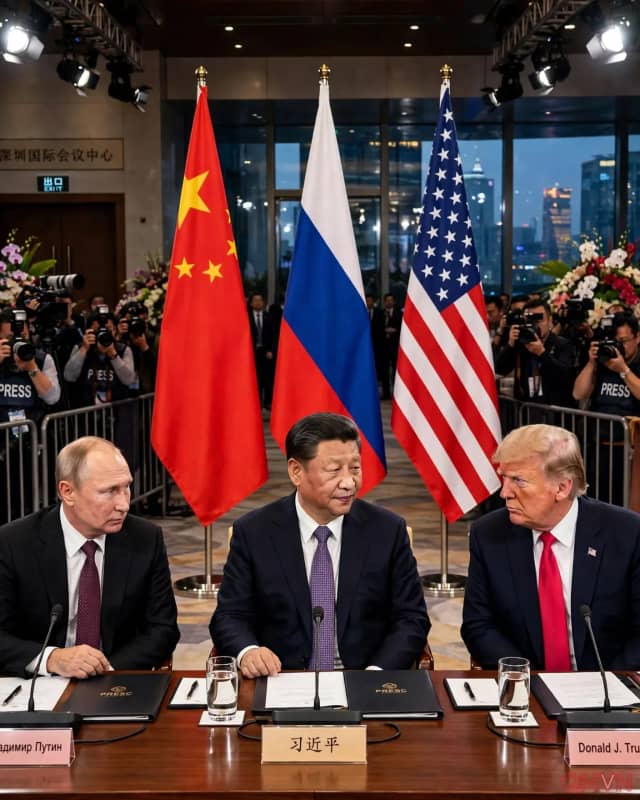
China's Commerce Ministry said on October 24 that the American proposal discriminately widened China-related curbs and stretched the meaning of national security. It argued that the approach could impair ordinary company-to-company activity and contradict understandings reached during recent meetings of the two countries' presidents. Beijing urged Washington not to politicize commercial relationships.