From a declaration to a functioning institution
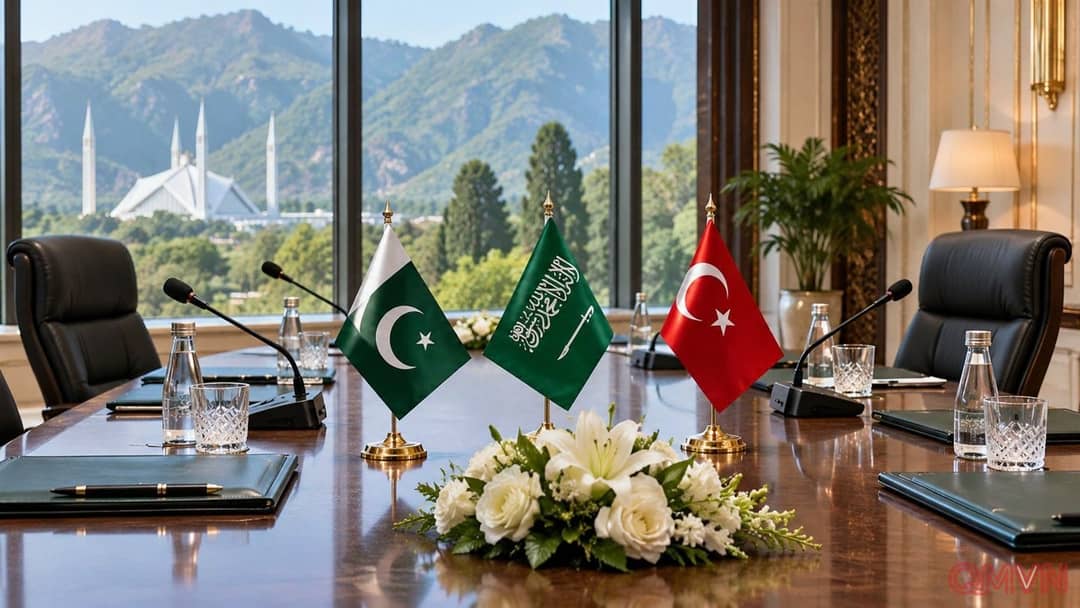
The Islamabad meeting is important less for its symbolism than for what it could establish. A defence commitment can reassure governments, but it requires institutions to make consultations dependable. Arab News reported on November 26 that the partners had agreed at an August 31 meeting in Istanbul to establish a permanent secretariat in Riyadh. That earlier decision offers a basis for continued coordination, though the latest meeting's detailed agenda and outcomes were not established by the Reuters report.
A permanent institution could preserve continuity when political leaders change or emergencies arise. Its effectiveness would depend on clear responsibilities, regular communication and a common understanding of what each member expects. For now, it would be premature to treat any possible decision in Islamabad as an accomplished fact. The distinction between a planned gathering and a binding new commitment is particularly important during a regional war.
Collective defence and the limits of solidarity
The agreement's central principle is that an armed attack on one member is regarded as an attack on all, according to Reuters reporting in September. This principle is intended to discourage aggression by raising the prospect of a collective response.