MAIN CONTENT
Rebuilding trust after years of disagreement
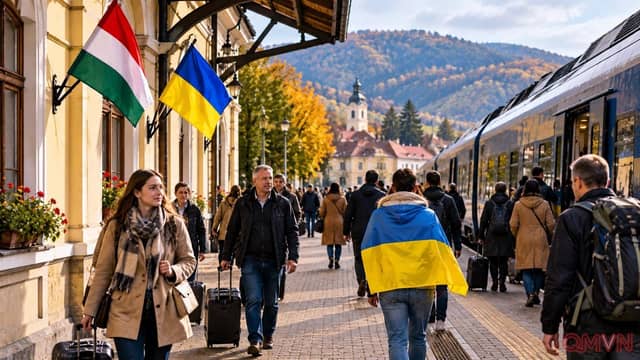
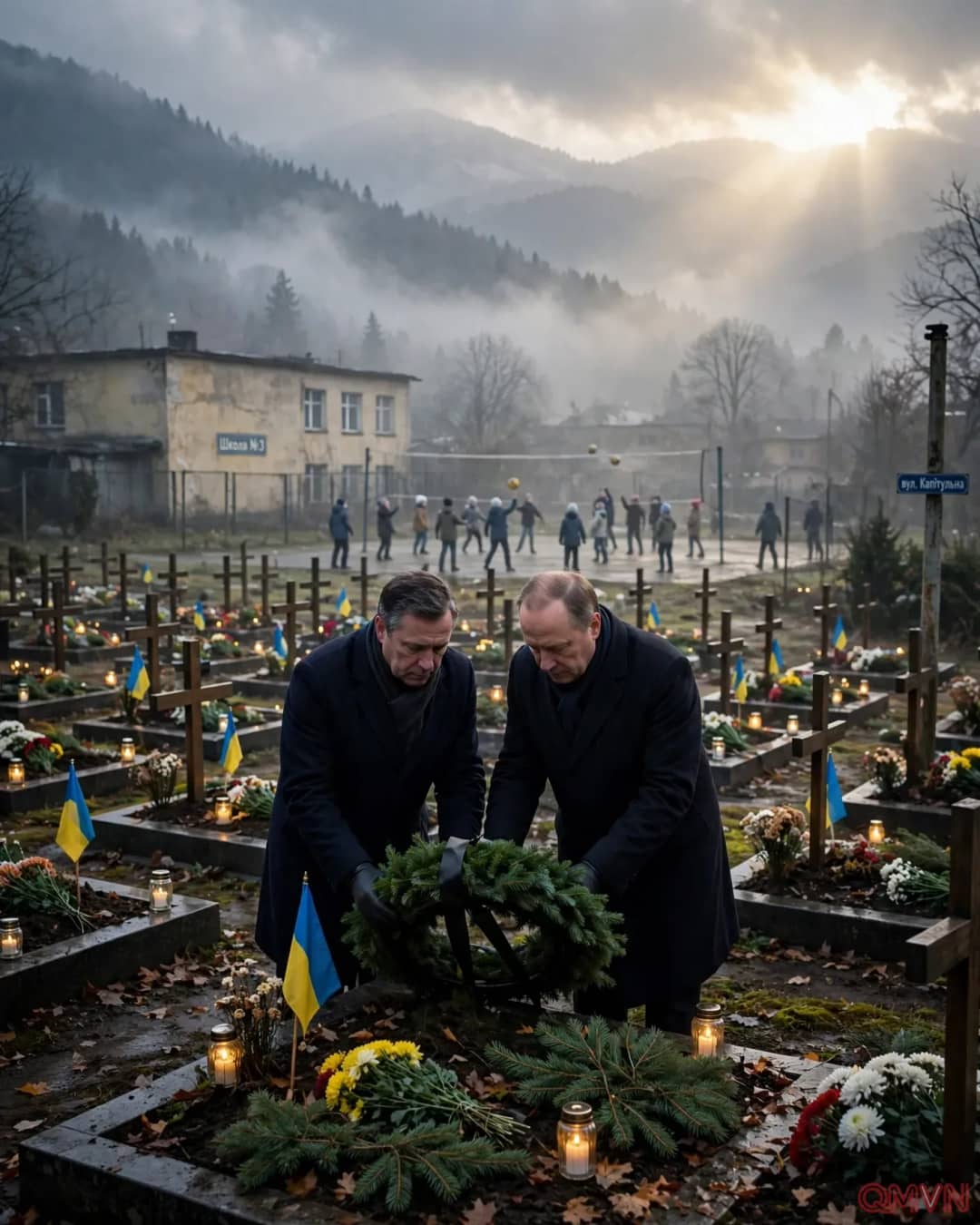
The meeting in the Zakarpattia region carried significance beyond formal diplomacy. The leaders paid tribute to Ukrainians killed in the war and joined schoolchildren in a sporting activity. These gestures illustrated an attempt to change the atmosphere between two neighbouring countries whose relations had become strained.
Reuters reported that Magyar presented his visit as an opportunity to rebuild trust. Since winning the April election, he has moved away from his predecessor Viktor Orbán’s approach to Kyiv. A warmer relationship, however, should not be mistaken for an agreement on every contentious issue.
Energy and transport offer practical foundations
A statement from Ukraine’s presidential office on November 24 identified energy, trade and humanitarian assistance as areas of discussion. Kyiv is interested in additional diesel supplies from Hungary, while Hungarian businesses could benefit from access to Ukrainian gas storage.
Such arrangements would address commercial needs alongside broader questions of energy security.
The governments are also considering upgrading border crossings, opening new ones and establishing additional direct rail connections. Ministers responsible for energy and agriculture are expected to pursue discussions. The value of these initiatives will depend on financing, transport capacity and dependable supplies. Political enthusiasm alone cannot guarantee that infrastructure projects will materialise.
Minority language rights and the European path
Zakarpattia is home to a longstanding ethnic Hungarian community. Mother-tongue education has been a recurring point of disagreement between Budapest and Kyiv. According to Reuters, Ukraine’s parliament adopted legislation in October extending minority-language educational rights, a development welcomed by Hungary’s government.
For the EU, minority protection is connected with fundamental rights. The Council of the EU records that Ukraine’s accession negotiations were formally launched on June 25, 2024, and that the first negotiating cluster opened on June 15, 2026. Agreement among member states matters at successive stages, but Ukraine must still carry out substantial reforms and demonstrate compliance with common standards. Improved relations with Hungary cannot substitute for those requirements.
The test of a new chapter
Associated Press reported that Hungary’s previous government repeatedly obstructed EU measures supporting Ukraine. Its successor may enable more constructive discussions, although differences over military assistance and national interests remain possible. Economic cooperation does not necessarily imply agreement on all security questions.
The visit’s success will ultimately be measured by completed projects, meaningful educational protections for minority children and the ability to maintain dialogue during future disputes. Greater cooperation across the Carpathian region could also help neighbouring economies become more closely connected. For families affected by war, the most consequential diplomatic achievements are often the ones that deliver greater stability and practical opportunities in everyday life.