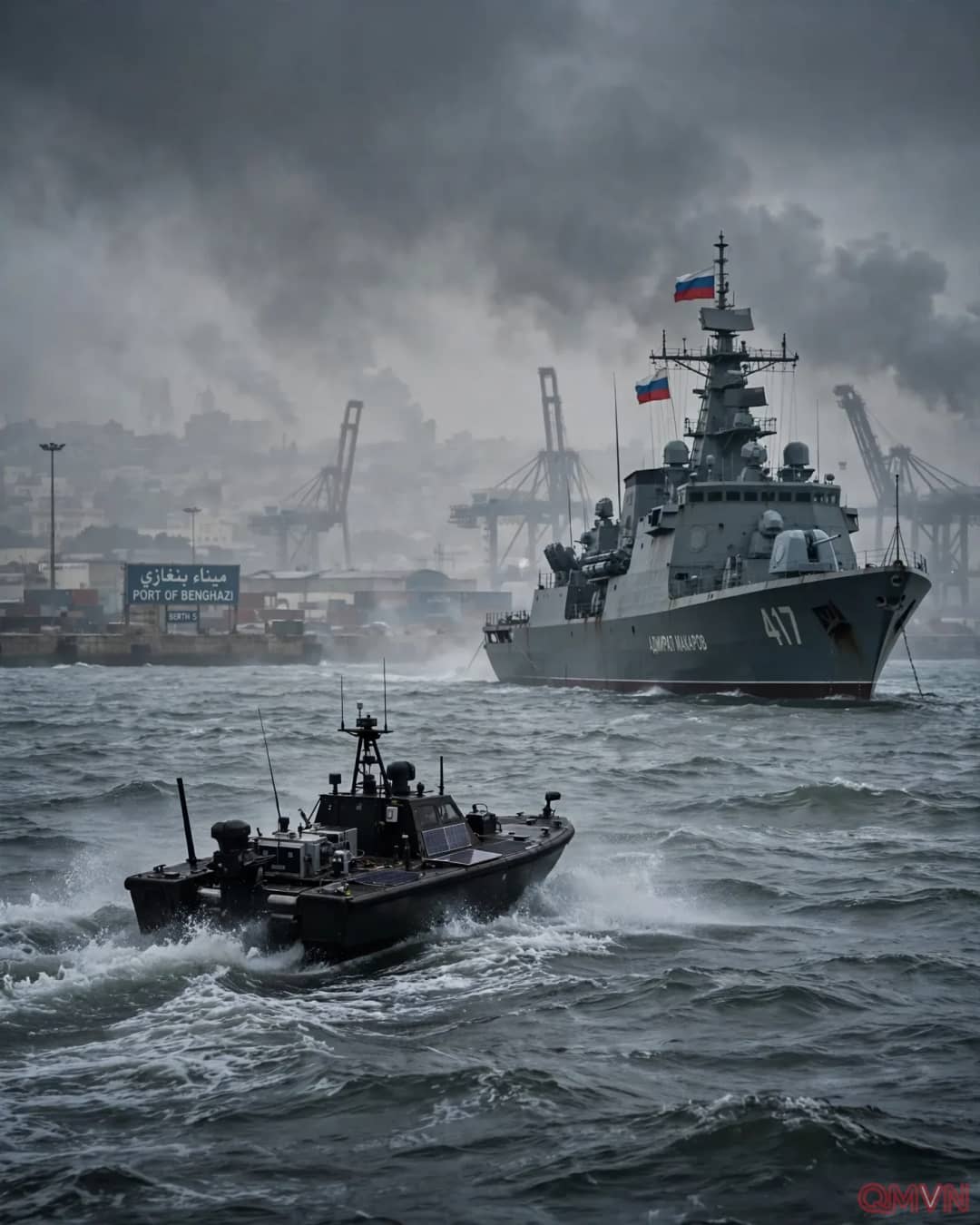
MAIN CONTENT
Two perspectives on one incident
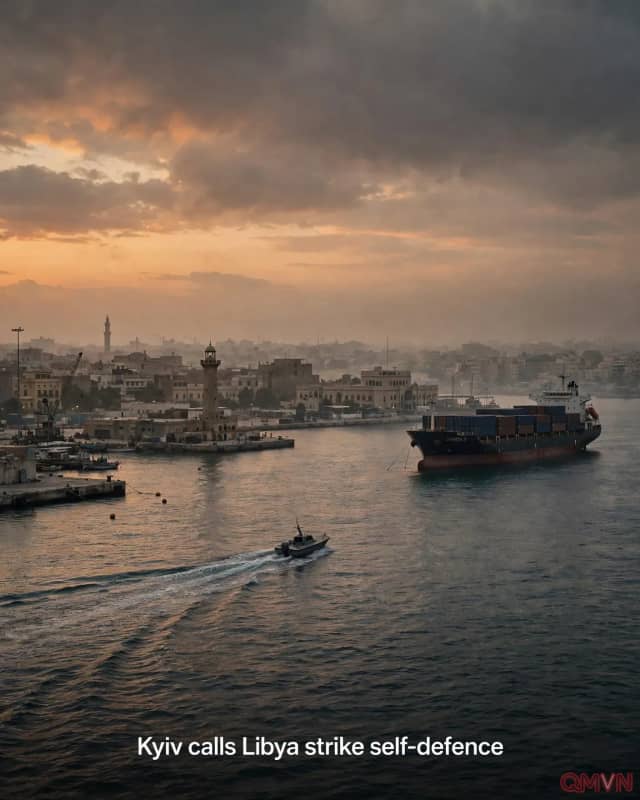
Reuters reported on November 24 that Kyiv presented the operation as a response to Russian aggression rather than an attack intended to harm Libya. Ukraine’s foreign minister affirmed his country’s respect for Libyan territorial integrity. However, a statement about the purpose of an operation does not settle all the legal questions arising from where it occurred.
Associated Press reported the same day that Libya’s internationally recognised government in Tripoli had not authorised foreign military operations within its territory or territorial waters. That position reflects the concerns of a country already struggling to exercise unified authority. Russia’s defence minister had not publicly commented on the incident when Reuters reported it.
Article 51 and the limits of self-defence
The United Nations Charter recognises individual and collective self-defence when a member state suffers an armed attack. Ukraine relies on this provision.
Article 2, however, also protects the territorial integrity and political independence of states. These principles must be considered together rather than in isolation.
Necessity and proportionality are important standards in assessing the exercise of self-defence. Force used within a third country raises additional questions about that country's consent and the specific legal justification for the operation. Publicly available information is insufficient to reach a definitive judgment in this case. Political assurances cannot substitute for independent examination of the relevant facts.
Libya faces the risk of being drawn into the war
The Libyan National Army (LNA), which holds considerable influence in eastern Libya, reported that two of its personnel died from injuries sustained in the incident. Their deaths underscore that the consequences of war do not stop with the principal combatants. People in third countries may also bear its costs.
Reuters reported that the eastern authorities had requested a UN examination of allegations concerning a Ukrainian military presence. Tripoli, meanwhile, said it would not tolerate hostile operations originating from Libyan territory. These allegations require verification, and Libya’s divided political authority complicates both the establishment of responsibility and the formulation of a coherent national response.
Maritime security and the path to de-escalation
For Mediterranean countries, the incident raises questions about commercial stability and the safety of coastal communities. Ports support livelihoods, employment and the movement of essential goods. Persistent uncertainty could increase insurance and shipping expenses, although no confirmed estimate of the economic impact of this particular incident is available.
A responsible response would involve establishing the extent of the damage, clarifying the authority of the parties and maintaining diplomatic communication. The distinction between military objectives and civilian objects, along with obligations to protect civilians, remains essential. Dialogue through the United Nations could help reduce misunderstanding and prevent a dispute from becoming a new cycle of retaliation.