The “most important” election
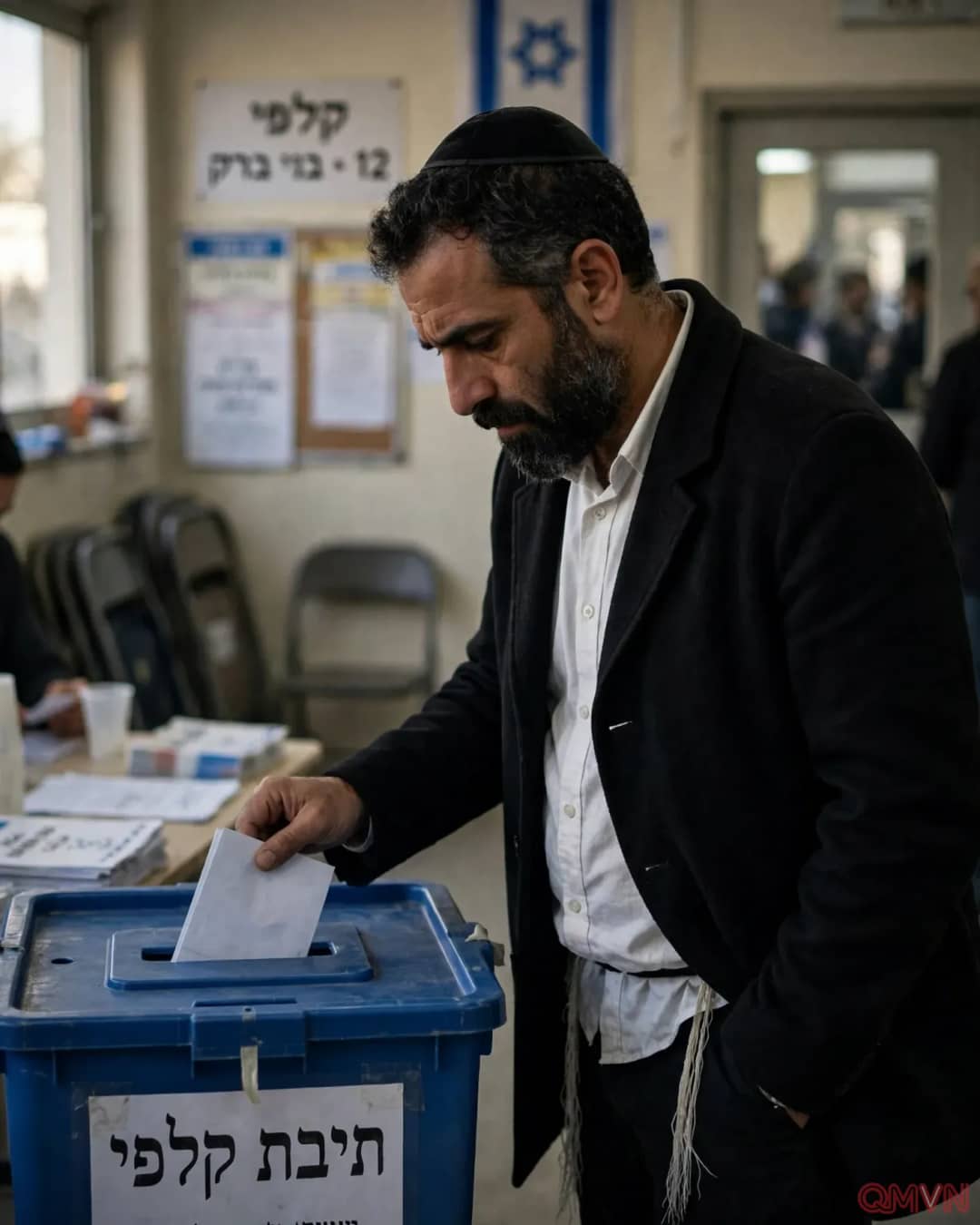
Polling stations opened at 7 a.m. (0500 GMT) and close at 10 p.m. (2000 GMT). For many voters, this is the most consequential election of their lives, as the trauma of Israel's deadliest day and the long wars that followed still weigh on families across the country.
I think these elections are the most important of all the ones I've known. I'm really scared about what will be here.
Ruth Epstein, an 81-year-old longtime left-wing voter in Ramat Gan near Tel Aviv, voted for the opposition Democrats. On the other side, Louis Lipsky of Jerusalem said he was voting to keep Netanyahu in power, crediting him with normalising relations with several Arab states under the 2020 Abraham Accords.
Netanyahu leans on his wartime record
Netanyahu, with 19 years in office, has campaigned on his wartime leadership and an endorsement from US President Donald Trump, his ally in the war against Iran. His right-wing coalition's policies have been divisive at home and deepened Israel's international isolation, but he has defended his record.
In his first public comments on election day, he urged Likud voters to turn out en masse after police said three people were arrested over an alleged vote-buying attempt. Critics say he may try to cast doubt on the integrity of the vote, which his office rejects. Far-right leader Itamar Ben-Gvir, after voting in the Kiryat Arba settlement in the occupied West Bank, predicted Netanyahu would return as prime minister.
Eisenkot promises a “new spirit”
For many of Netanyahu's opponents, the election turns on accountability for the security failures of October 7. The opposition has promised a national inquiry, which Netanyahu's government has resisted. Eisenkot, who joined the war cabinet but quit after eight months, visited kibbutz Nir Oz, which was attacked on October 7, and walked to the polls with Gadi Mozes, one of 251 hostages taken to Gaza.
I am convinced that by the end of today, we will see a change — a new spirit for the State of Israel — that will serve as a rectification for the past three years and for that terrible day.
Eisenkot says the war in Gaza, where health authorities say more than 74,000 Palestinians have been killed, was a failure because Hamas remains in charge, and has pledged to dismantle its military and governing power within 18 months of forming a government. He opposes a two-state solution but has criticised Jewish settler violence against Palestinians in the West Bank.
Arab votes could be key
Palestinian candidate Ahmed Tibi said voters from Israel's Arab minority were turning out in “unprecedented” numbers. Eisenkot has ruled out partnering with Arab parties, but some experts believe they could prop up a minority government to remove Netanyahu. Analyst Amotz Asa-El of the Shalom Hartman Institute expects no landslide, only a slight majority for either side.