Surging Quarterly Profitability and Strategic Underwriting Realignment
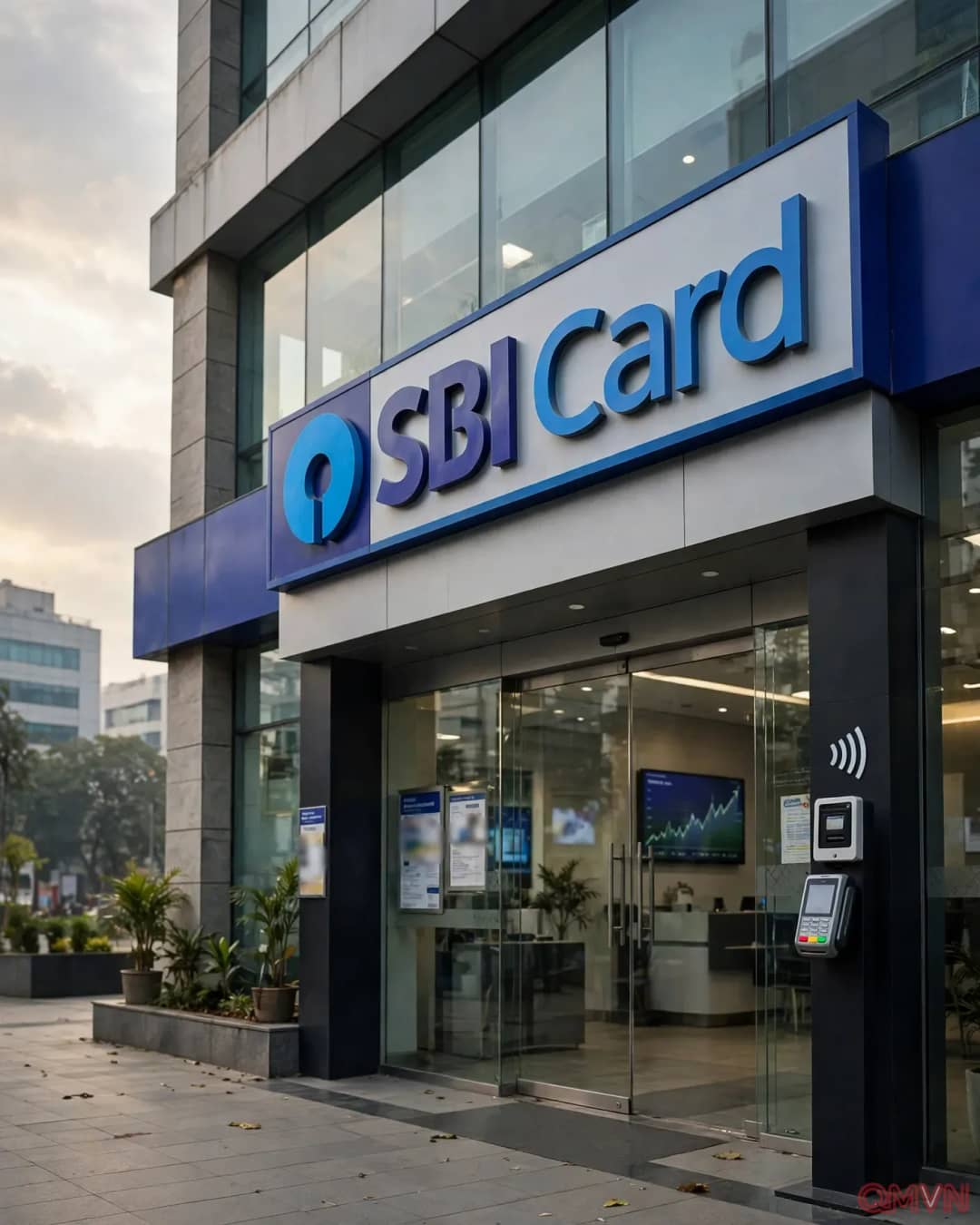
The financial results reported for the second quarter by SBI Cards and Payment Services generated substantial optimism across the Mumbai financial exchange. Net profit after statutory tax provisions jumped to 7.78 billion rupees (equivalent to approximately $81.9 million), delivering an exceptional earnings expansion relative to the 4.45 billion rupees reported in the corresponding prior-year timeframe.
The operational catalyst propelling this profit acceleration stems from a rigorous, proactive tightening of credit underwriting algorithms instituted by executive leadership over past quarters. This deliberate calibration was engineered to insulate balance sheets against deteriorating personal asset quality and elevated delinquency rates that had previously challenged unsecured credit segments.
The company has steadily tightened credit underwriting over the last few quarters to tackle asset quality stress and higher delinquencies.
Bad Loan Contraction and Plummeting Provision Expenses
The sustained governance overhaul produced tangible operational dividends, as SBI Card's gross non-performing asset ratio retreated to 1.90% at the close of September, marking a healthy 14-basis-point compression from the preceding quarter. Removing speculative borrowers strengthened the core asset pool and safeguarded statutory capital ratios.
Reflecting the concurrent stabilization of repayment behavior, total provisions allocated against credit defaults plummeted by 36.6% year-on-year to 8.19 billion rupees. This substantial provision relief flowed directly into pre-tax operating surplus, affording the credit issuer substantial fiscal headroom to pursue high-conviction retail expansions.
SBI Card's asset quality improved, with gross non-performing assets at 1.90% alongside loan loss provisions dropping 36.6% year-on-year.
Resilient Transaction Velocity and Robust Card Issuance Base
Parallel to its rigorous risk screening, commercial transactional activity across the State Bank of India subsidiary remained remarkably steady. Total card transaction spending rose by 3% year-on-year to reach 1.11 trillion rupees, while gross operational turnover expanded 3.6% to 51.41 billion rupees on consistent commercial corporate accounts and stable household shopping.
Simultaneously, cards-in-force—representing the active portfolio of credit cards issued to customers—broadened by 8% year-on-year to register 23.2 million active cards. This harmonious alignment between prudent customer acquisition and pristine portfolio quality underscores the maturity of India's leading consumer payments architecture.
Cards-in-force, or the sum of all credit cards issued, rose 8% from a year earlier to 23.2 million, validating persistent customer trust.