MAIN ARTICLE
An emergency brake before election day
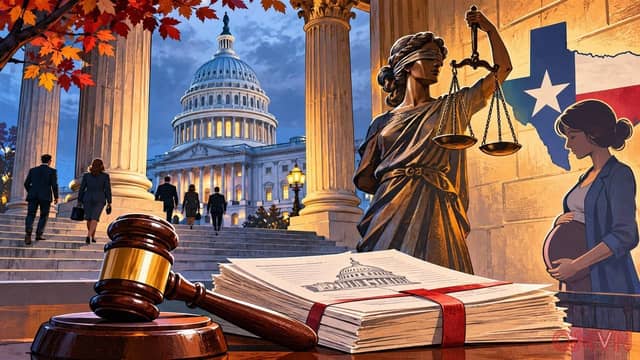
On November 2, US District Judge Tanya Chutkan in Washington temporarily prohibited the Justice Department and Department of Homeland Security from sending states lists of registered voters believed by federal officials to be noncitizens. She also blocked requests that election administrators segregate, delay or decline to count those voters’ ballots pending proof of citizenship. The interim order addresses a fast-moving dispute; it is not a final ruling on every underlying claim.
According to Reuters, voting-rights and privacy organizations argued that the government’s proposed disclosures could violate the Privacy Act of 1974 and expose sensitive personal information. The administration insisted that letters to state officials were part of enforcing existing federal law against noncitizen voting rather than an independently reviewable policy. The competing arguments illustrate how an immigration-data exercise can quickly become a constitutional election case.
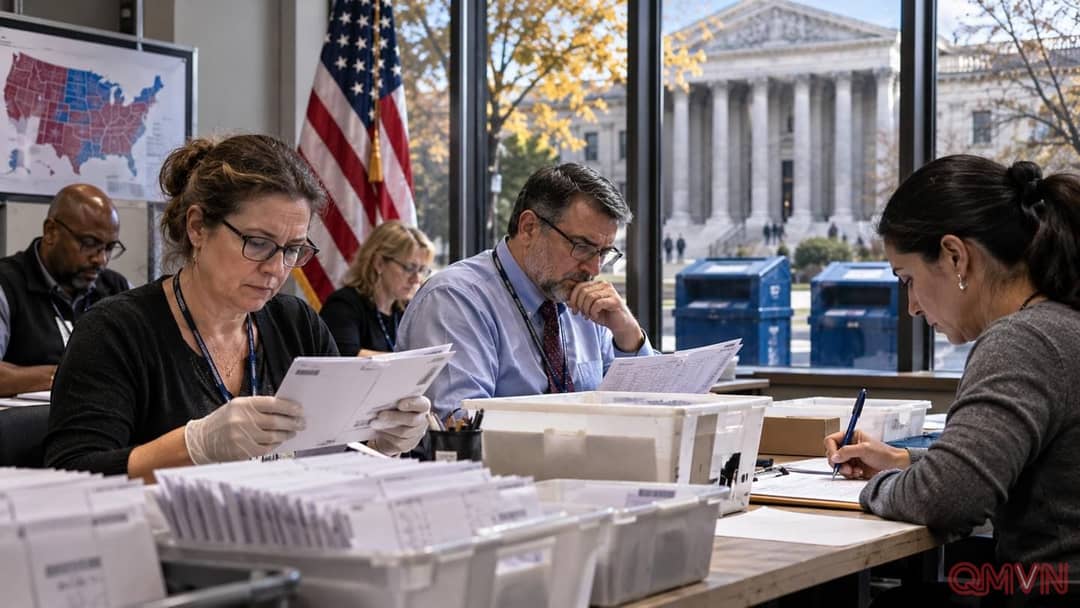
Timing matters for election administrators. Once mail ballots enter the processing system, suddenly separating selected votes may introduce mistakes, disrupt counting and leave qualified voters facing unexpected documentary demands. The court must therefore weigh preventing unlawful ballots against the equally serious danger of excluding eligible citizens through an unverified database match.