A home contains more than possessions
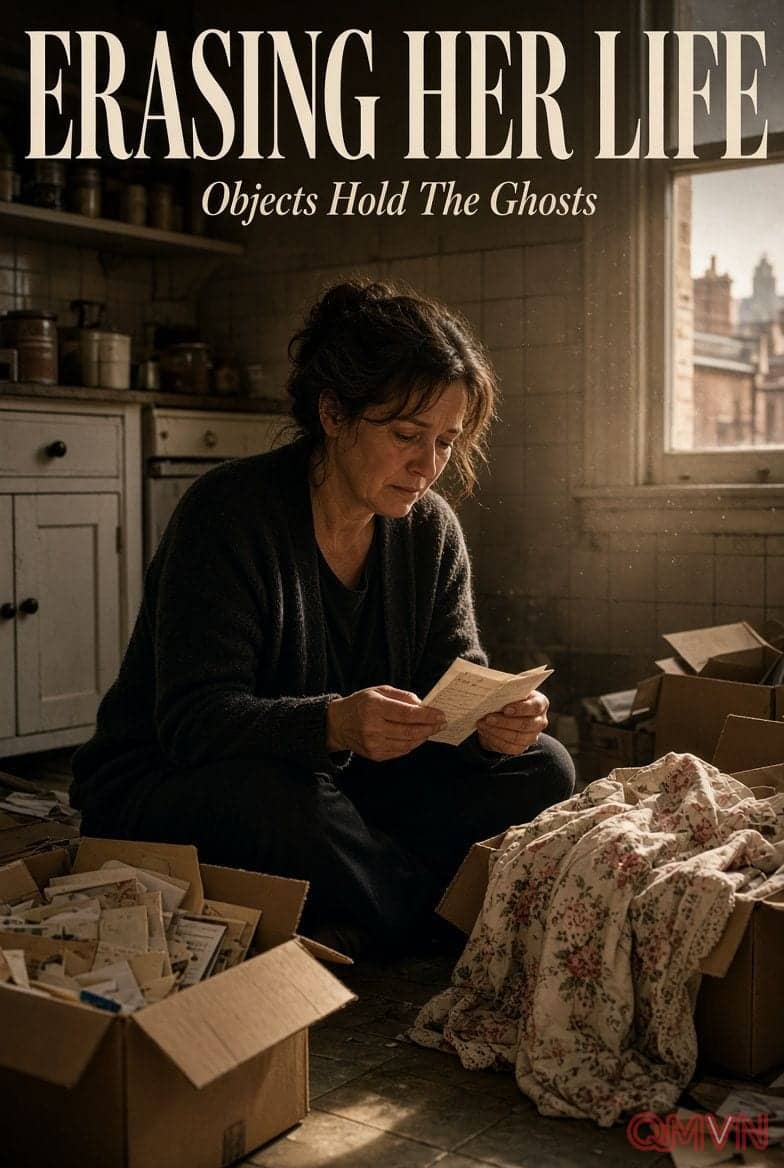
When Fay died at 97, her daughter Ellen Rogers returned to the terrace house in Camperdown, Sydney, where her mother had lived for almost her entire life. Rogers needed to clear the property for sale, yet each decision became a struggle. A matching dressing gown and sheet set bought after her mother’s 1952 marriage may no longer have practical value, but putting them into a donation bag still felt painful.
The difficulty is not simply choosing what to keep, give away or throw out. A crowded home can become a memory machine: family photographs, greeting cards, kitchenware and ordinary objects all hold traces of relationships, routines and the many versions of a person’s life. When someone has gone, an object can become an anchor for the continuing bond carried through grief.
We are not only sorting objects; we are learning to carry memory in a lighter way.
The pain of deciding alone
Rogers describes the overwhelm of moving alone through a cold house while her brothers live elsewhere. The experience is far from unusual. Clearing a home after loss demands physical labour, time and the capacity to make hundreds of small decisions while carrying grief. Arguments can therefore flare over things that seem minor: a length of rope, a vase or a dinner set.