MAIN CONTENT
From the grocery aisle to the ballot box
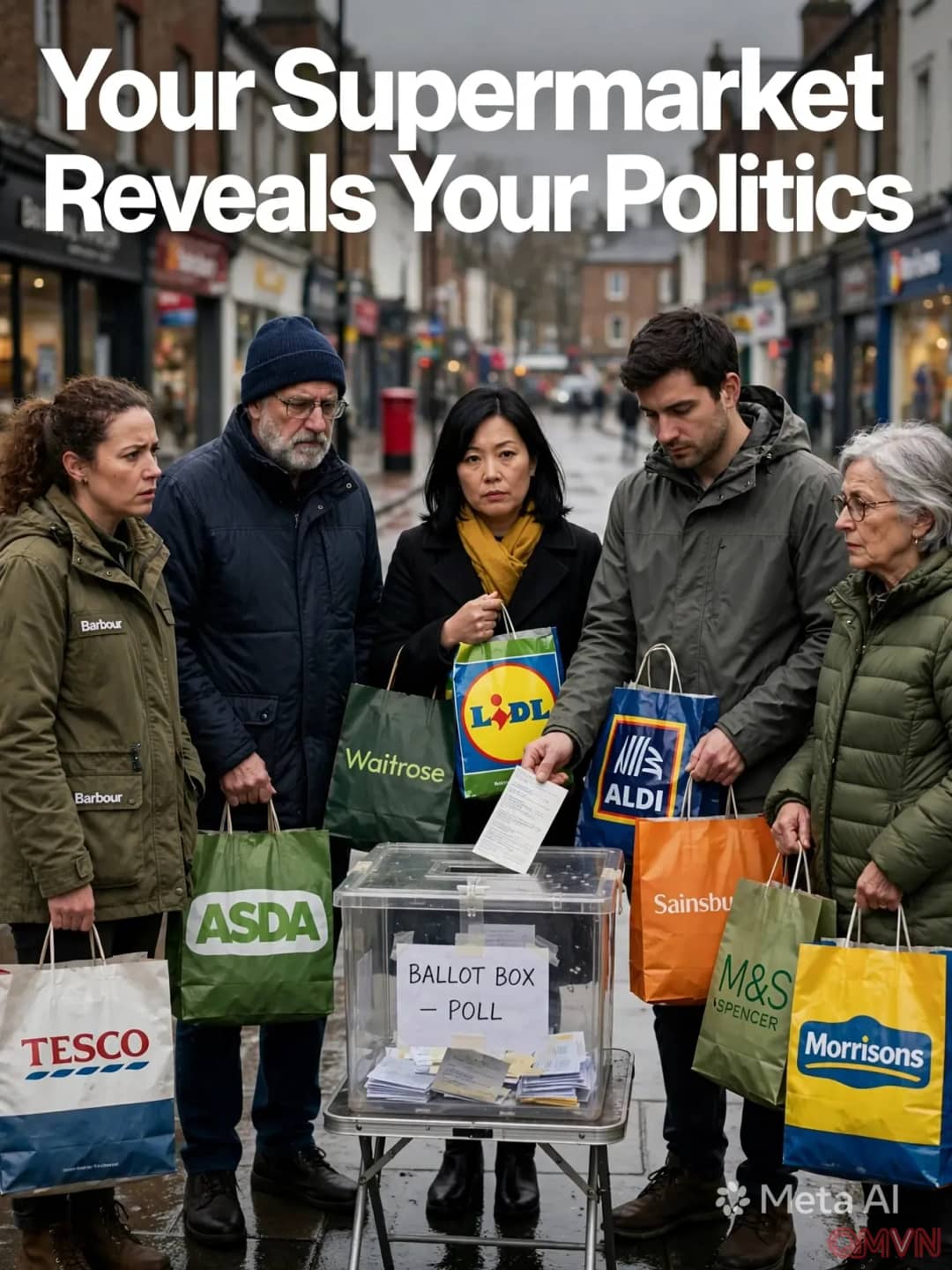
According to figures reported by The Independent from More in Common, Labour leads among customers of Tesco, Asda, Waitrose and Aldi. That is an unusual coalition if viewed only through income. Waitrose is routinely associated with the premium end of grocery retail, while Aldi built its reputation around low prices. Labour’s lead at both ends of that consumer spectrum suggests its support cannot be reduced to a simple rich-versus-poor divide.
The Conservatives, by contrast, come first among Sainsbury’s and M&S shoppers, two chains generally positioned toward the middle-to-premium end of the market. Reform UK leads among Lidl and Morrisons customers. Aldi provides an especially intriguing wrinkle: Labour remains first, yet Rupert Lowe’s Restore Britain performs substantially better there than its national average. A discount supermarket thus becomes a miniature picture of competition between very different political constituencies.
The results are compelling because they bring politics into an ordinary setting. It is easy to imagine a ballot choice sitting beside decisions about bread, milk or a weekly meal plan. But the poll does not mean that choosing Sainsbury’s makes someone Conservative, or shopping at Waitrose makes a person Labour. Supermarkets are proxies for many other variables, including neighbourhood, age, occupation, family structure and spending power.