MAIN CONTENT
A symbol once large enough for summer skiing
The Triglav Glacier lies below Mount Triglav, Slovenia’s highest peak, on the southeastern edge of the Alps. For generations, the ice was more than a geographical feature: it formed part of Slovenia’s Alpine identity. Older photographs show a distinct body of ice large enough to support summer skiing.
Since 1946, the Anton Melik Geographical Institute at ZRC SAZU has monitored it regularly. When measurements began, the glacier covered about 14.4 hectares. In recent years, the remaining ice fell to a tiny fraction of a hectare and lost basic glacier characteristics such as crevasses and measurable flow.
A poor snow season exposed the final ice
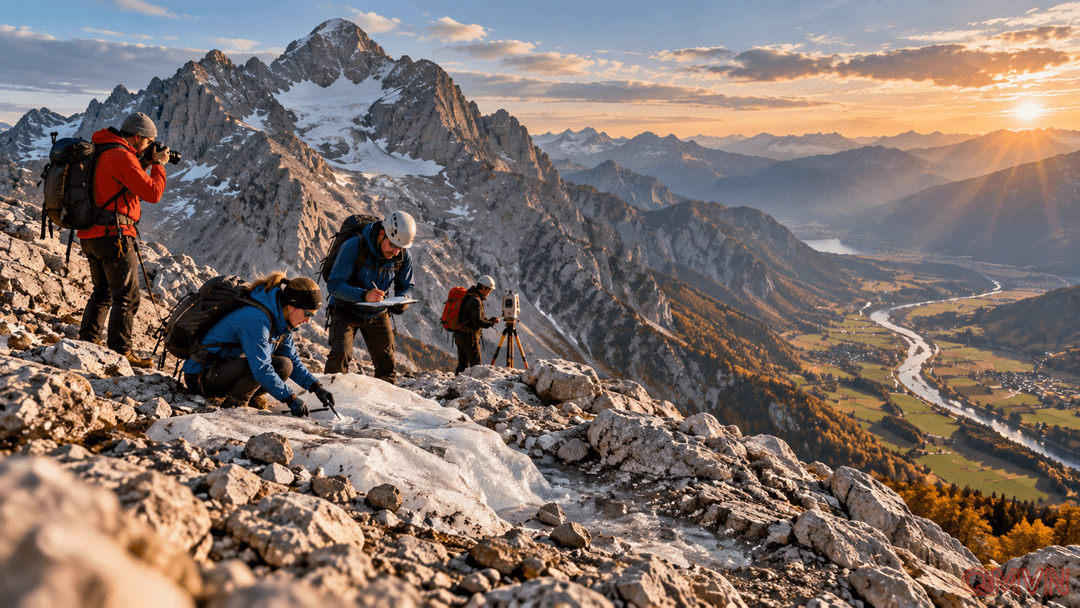
Miha Pavšek, who has personally monitored Triglav for roughly three decades, said all signs indicate that the final remnants could vanish within days. Last winter brought below-average snowfall, while the snow melted unusually early, exposing old glacier ice to summer warmth for a longer period.
“Everything indicates that the very last remnants of ice will literally disappear within these coming days.” Miha Pavšek