The shadow of war reaches Britain
The Pentagon confirmed that all U.S. B-1 bombers deployed to RAF Fairford have returned to their home stations in the United States after an investigation uncovered a planned terror attack on the base. According to Reuters, about a dozen B-1s had been stationed there and used in strikes on Iran; aviation watchers have observed dozens of B-52 and B-1 bombers operating from Fairford since the opening days of the war.
According to AP, six people in total have been taken into custody and released on bail during the investigation. British authorities have linked the incident to Tehran, while Iran has denied any involvement, even though Iran’s Islamic Revolutionary Guard Corps declared in July that Fairford was a “legitimate target.” Israeli Prime Minister Benjamin Netanyahu told the Daily Mail that Israel had provided intelligence that helped Britain thwart the plot.
The withdrawal does not immediately change the balance on the battlefield, but it reveals a troubling reality: geographic distance is no longer a shield. A country that lends its military bases also takes on a share of the war’s risks.
The Strait of Hormuz: the world’s energy chokepoint
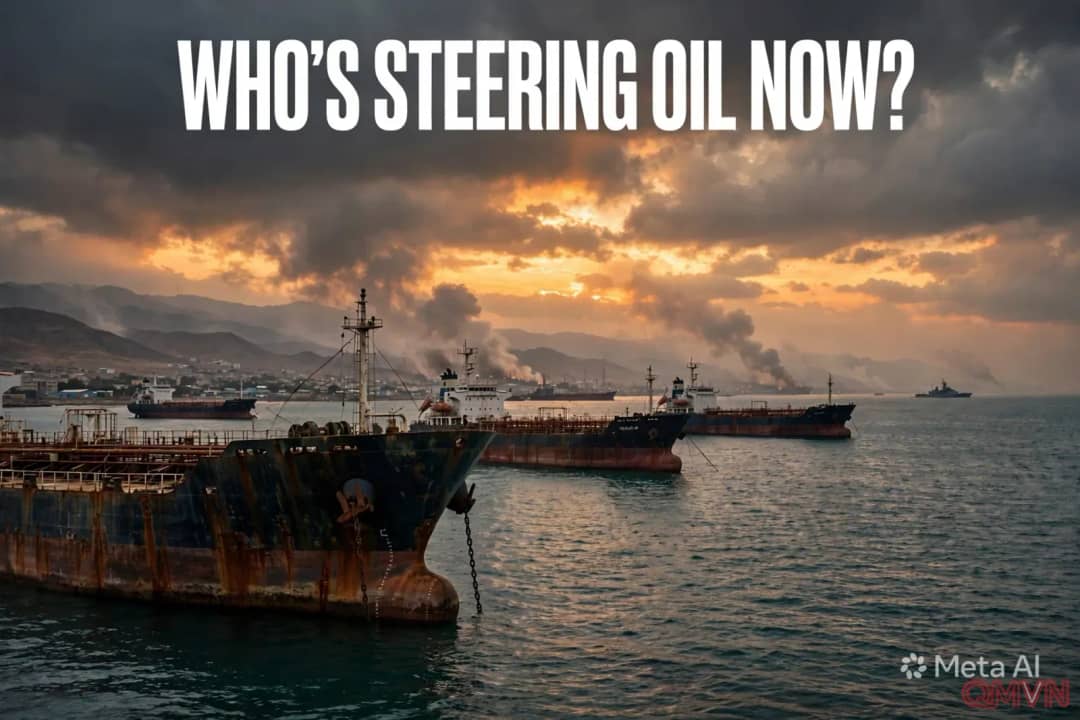
The United Kingdom Maritime Trade Operations centre (UKMTO) said at least two vessels were struck over the weekend in waters near Oman and Iran, including a tanker hit by an unknown projectile in the Strait of Hormuz that damaged its engine room. The strait has been effectively shut since the war began in late February.