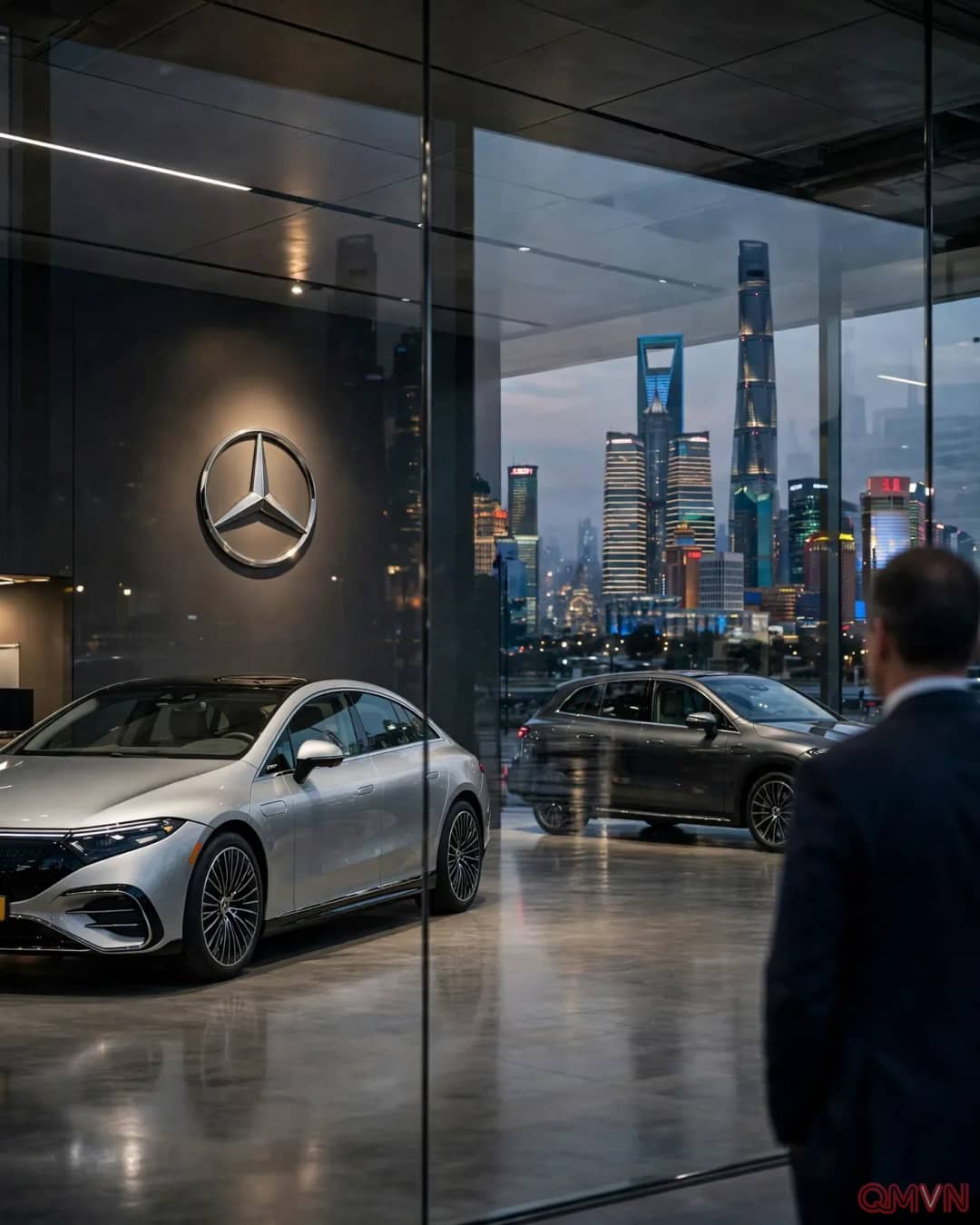
China: indispensable, but no longer a cash machine
For two decades, China was the engine that powered Mercedes' growth and delivered some of its fattest margins. That engine has stalled. Weakness in both the overall market and the luxury segment has exceeded the company's expectations, and on Tuesday Mercedes trimmed its 2026 margin outlook for its car division, citing China and higher costs. Yet Källenius made clear that walking away is not an option, describing the country as both an indispensable market and a hub of innovation.
“… there is not a play where you put China aside.” — Ola Källenius
His words reflect a reality shared across the German car industry. China is where the most advanced electric and software-defined vehicles are being developed at speed, and where competitors such as BYD and Xiaomi set the pace. Leaving would mean losing not just customers but a front-row seat to the industry's future.
Less dependence, more localisation
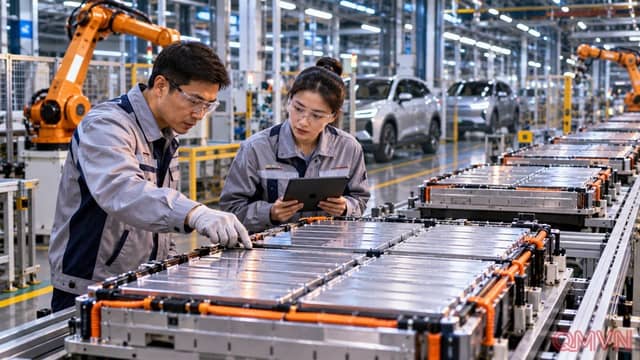
The new approach is about recalibration rather than retreat. Wilhelm said Mercedes wants to rely less on profit pools from China and is localising its supply chain there, so that future vehicles built in the country use almost entirely local components. The goal is to cut costs and compete more effectively with Chinese brands that have redefined what buyers expect for their money.