MAIN CONTENT
A billion-euro bet on an unproven market
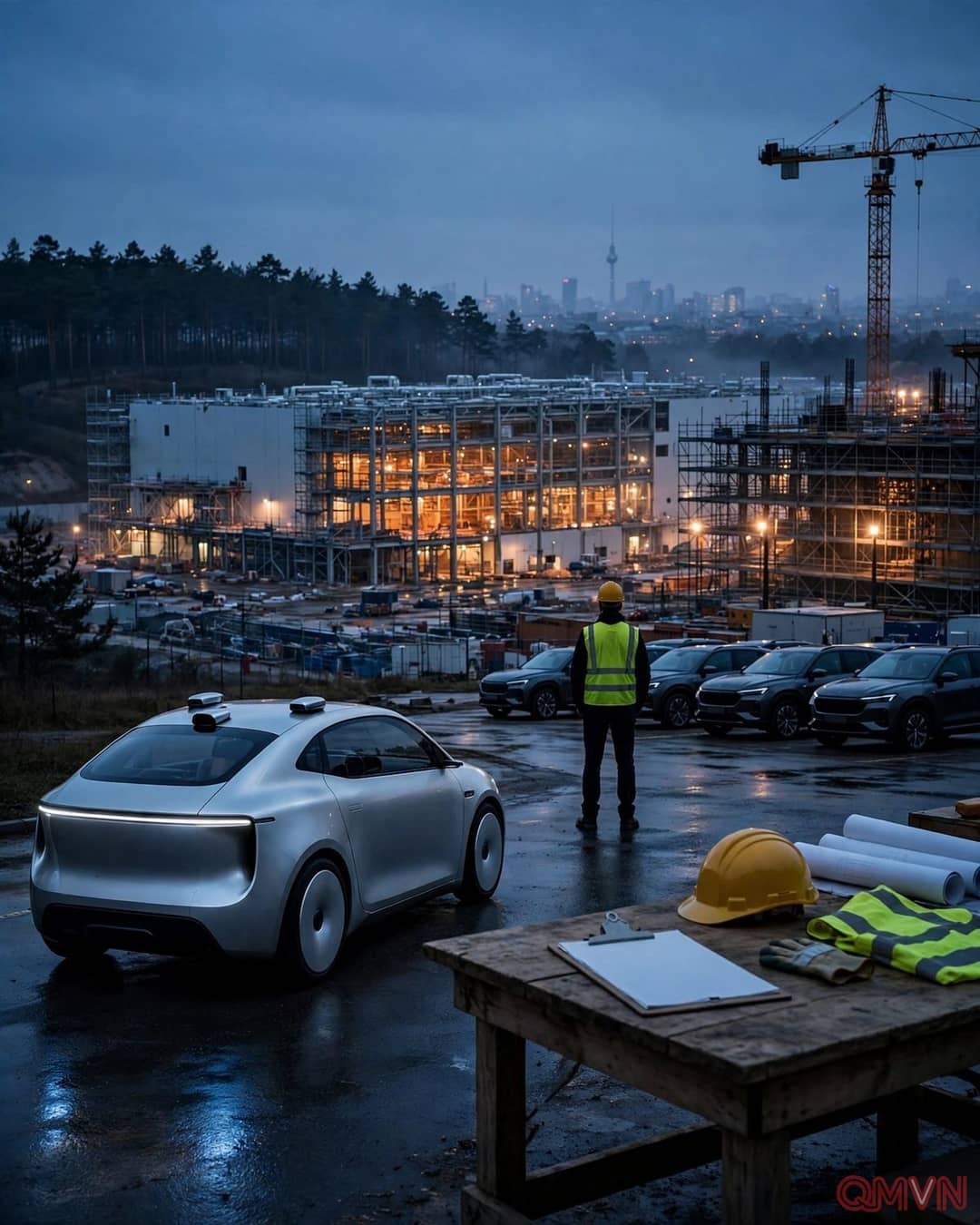
According to Tesla’s November 16 announcement, its new Grünheide building is intended to support eventual production of up to one million Cybercabs. That figure describes a possible manufacturing capacity, not existing output, customer orders or a guaranteed sales forecast. The distinction matters: the market for fully autonomous passenger transport depends on technology, safety validation, public confidence and rules that differ among countries. A large factory can be planned faster than an entirely new transport ecosystem can mature.
Tesla plans to file its permit application in 2026, with construction beginning in the first half of 2027 and vehicle production scheduled for 2029. German public broadcaster rbb reported that the spending would also cover associated buildings and another wastewater-treatment facility. These stages remain prospective and subject to administrative, technical and commercial developments. By specifying the timetable, Tesla has given investors and residents milestones against which its commitments can eventually be judged.
A contrasting picture for German manufacturing
The expansion stands out in an industry where other major carmakers have considered reducing their German manufacturing footprints. Reuters reported that Volkswagen and Mercedes-Benz have examined closures as they confront elevated domestic costs, changing demand and competition from Chinese brands.