MAIN REPORT
A passenger list becomes a security vulnerability
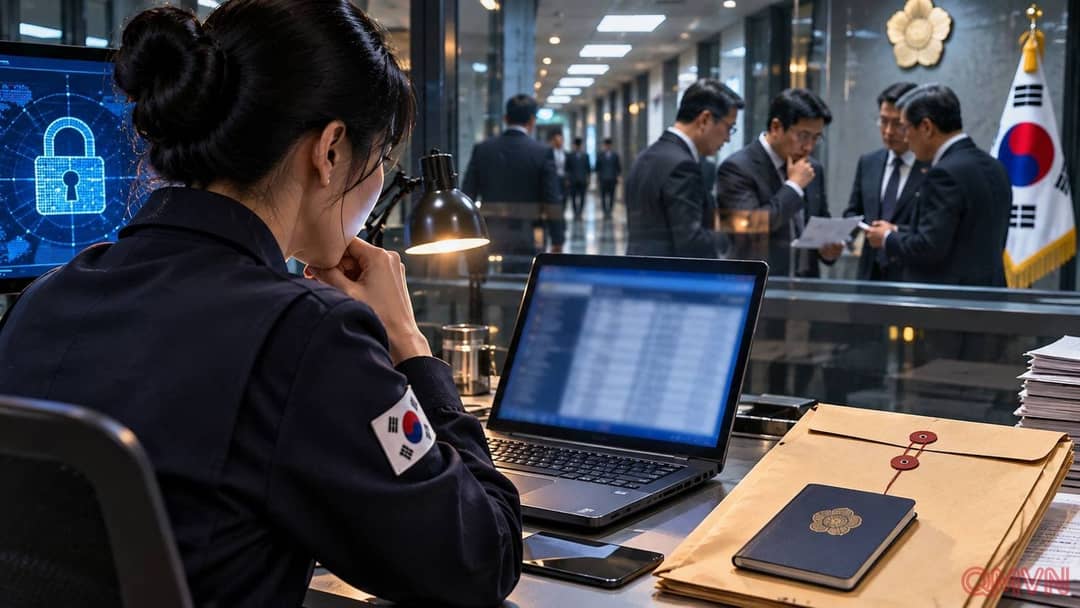
South Korean authorities confirmed on November 3 that they were responding to the disclosure linked to President Lee Jae Myung’s June trip to Europe. KBS and Yonhap reported that a file titled along the lines of “Passenger list (South Korea-Belgium)” was uploaded on June 2 to an online service used to check files for security threats. It remained potentially accessible for approximately five months. That timing matters: its exposure began before the trip, precisely when operational information about a visiting head of state should have been tightly controlled.
The manifest covered 168 people, among them Lee and first lady Kim Hea Kyung, National Security Adviser Wi Sung-lac, ministers, presidential-office staff, Foreign Ministry personnel, journalists and support teams. Police described fields including names in Korean and English, affiliations, positions, birth dates, passport numbers and passport issuance and expiry dates. No public evidence establishes that all those details were subsequently misused for fraud or another offence.
The inclusion of close-protection officers and members of the president’s medical team makes this more than a routine administrative breach. Identifying personnel whose work is ordinarily kept discreet can require security planners to reassess the potential for surveillance, impersonation or unauthorised approaches. These are possible threats to evaluate, however, not confirmed attacks arising from the leak.